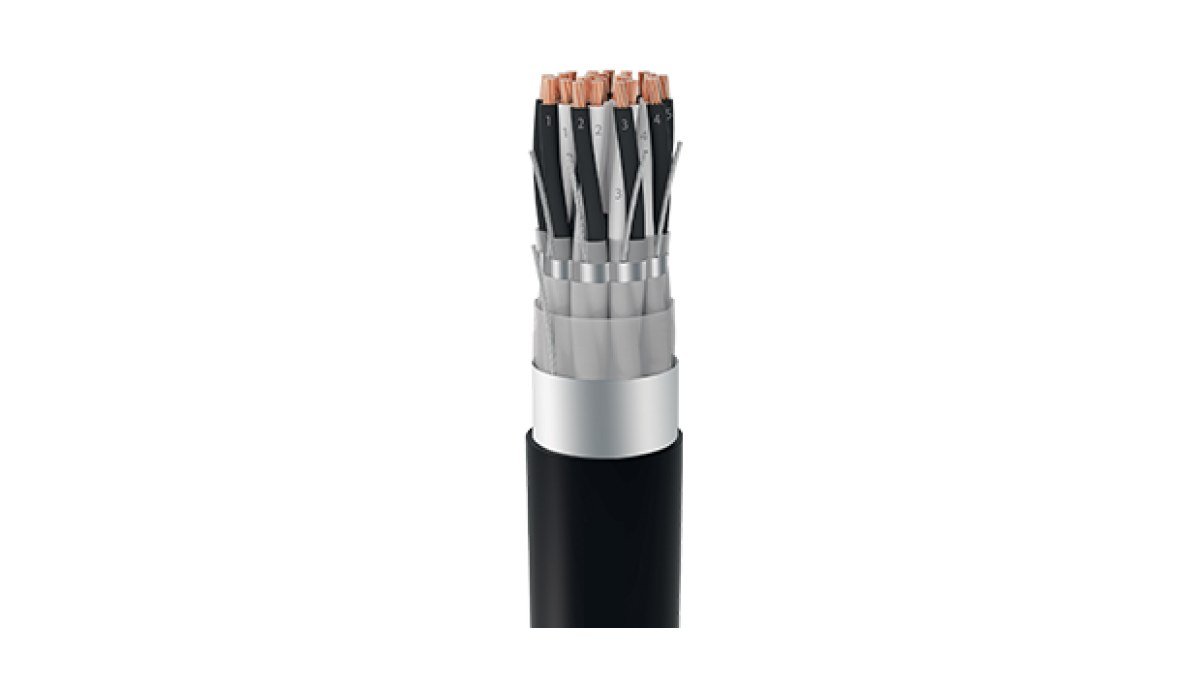
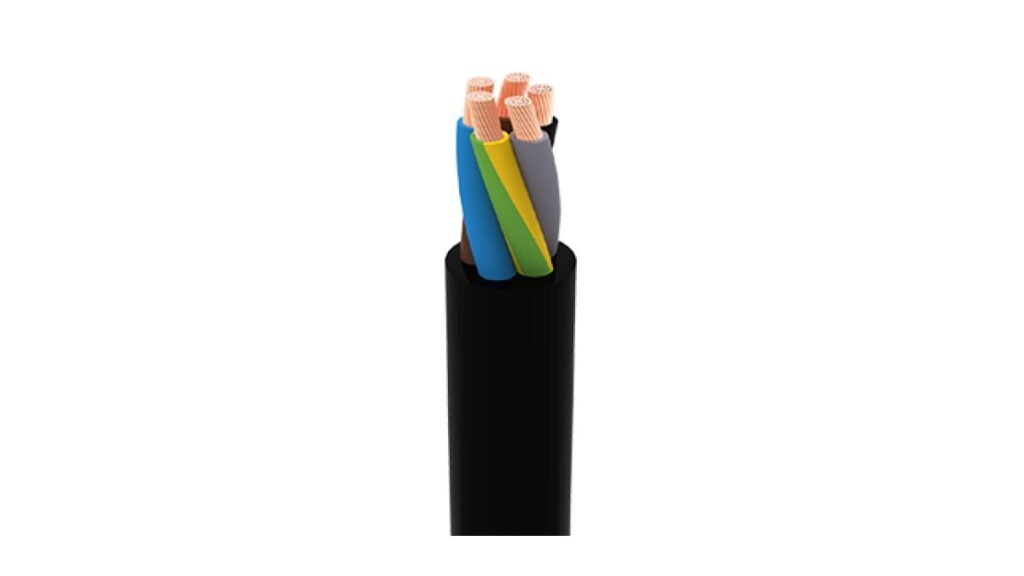
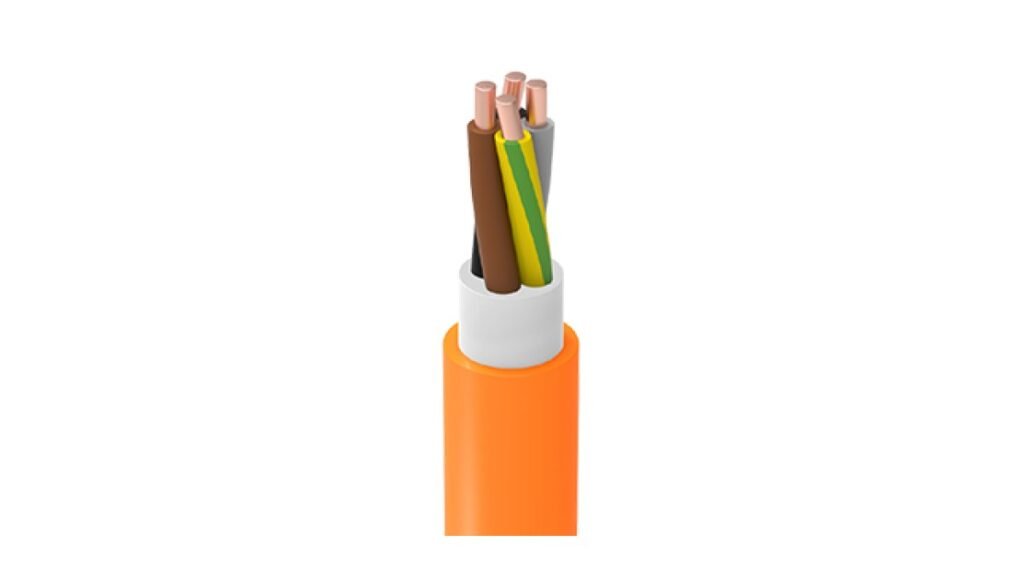
Process plants — refineries, chemical plants, water treatment, power stations and food factories — rely on thousands of instrumentation circuits carrying 4–20 mA signals, thermocouple and RTD measurements and digital fieldbus data. In Europe, these cables are commonly specified to EN 50288-7 and named with the German-origin “RE” designation system. Once you know the code, a name such as RE-2X(St)H PIMF tells you exactly how the cable is built.
Decoding RE-type designations
So RE-2X(St)H PIMF is an instrumentation cable with XLPE insulation, a collective foil screen, a halogen-free sheath and individually screened pairs. RE-2X(St)HSWAH PIMF adds steel wire armour and a halogen-free outer sheath for direct burial or exposed routes.
Pairs, triples and screening
- Pairs are used for most analogue signals and digital communication.
- Triples (TIMF) are used for three-wire RTD measurements and some potentiometric signals, as in RE-2X(St)Y-fl TIMF.
- Collective screen only – adequate for many 4–20 mA loops in moderate interference environments, for example RE-2Y(St)Y-fl.
- Individual plus collective screens (PIMF/TIMF) – recommended for low-level signals, long runs, and where pairs carry different signal types and crosstalk must be avoided.
Insulation choice: PVC, PE or XLPE
PE and XLPE insulation give lower capacitance than PVC, which matters for long runs and data transmission. XLPE adds higher temperature rating and better thermal stability. PVC-insulated types such as RE-Y(St)YSWAY-fl remain common and economical for shorter runs.
Sheaths and armour
- PVC flame-retardant sheath (Y-fl) – general industrial use.
- Halogen-free sheath (H) – for offshore, tunnels, enclosed plants and where specifications require low smoke. See our halogen-free guide.
- Steel wire armour (SWA) – for direct burial, cable trenches and exposed routes where mechanical protection is needed.
- Laminated sheath (L)2Y – a moisture barrier for underground installation, as in RE-2X(L)2Y4YSWAY-fl PIMF.
Fire-resistant and intrinsically safe circuits
Safety-related instrumentation — fire and gas detection, emergency shutdown — often needs cables that keep working during a fire. These circuit-integrity versions carry the “CI” suffix, for example RE-2X(St)H PIMF CI, and are tested to IEC 60331. Separately, intrinsically safe (Ex i) circuits in hazardous areas must be clearly identifiable; a light-blue sheath is commonly used. Check EN 60079-14 for installation and separation requirements.
Checklist for an instrumentation cable enquiry
- Full designation, number of pairs or triples and conductor cross-section (commonly 0.5, 0.75, 1.0, 1.3 or 1.5 mm²).
- Screening: collective only, or individual plus collective.
- Sheath: PVC, halogen-free, colour (black or blue for Ex i).
- Armour or moisture barrier, if buried or exposed.
- Fire performance (flame retardant, halogen-free, or circuit integrity “CI”) and, for buildings, the CPR Euroclass.
- Drum lengths and labelling for site logistics.
Order from Wesourcia
Our instrumentation cable range covers pair and triple constructions with PVC, PE, XLPE and halogen-free sheaths, armoured and unarmoured. Send us your cable list and we will quote with data sheets and test documentation.
Frequently asked questions
What does PIMF mean?
PIMF stands for pairs individually screened in metal foil. Each pair has its own foil screen, which reduces crosstalk between pairs and interference on low-level signals.
When do I need armoured instrumentation cable?
Armour, usually steel wire, is needed for direct burial, cable trenches and exposed routes where the cable could be damaged mechanically.
What does CI mean on an instrumentation cable?
In our range, CI identifies circuit-integrity versions that keep working in a fire, used for safety-related circuits such as fire and gas detection and emergency shutdown systems.
Products mentioned in this article
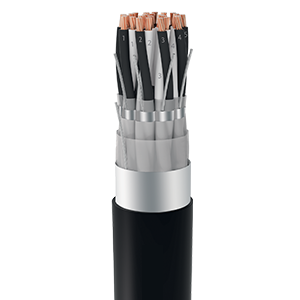 Instrumentation Cables
CablesThese cables used for connecting instruments and control systems for analogue or digital signal transmission for indoor and outdoor applications.These cables shall not be connected directly to mains electricity supply…
500 V a.c. · -40°C / + 90°C (during operation) – 5…
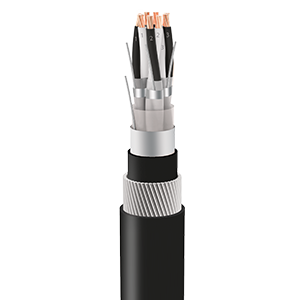 Instrumentation Cables
CablesThese cables used for connecting instruments and control systems for analogue or digital signal transmission for indoor and outdoor applications.These cables shall not be connected directly to mains electricity supply…
500 V a.c. · -40°C / + 90°C (during operation) – 5…
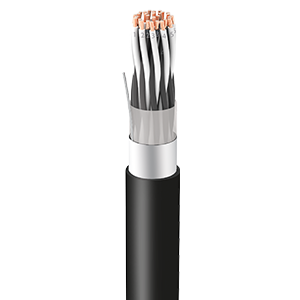 Instrumentation Cables
CablesThese cables used for connecting instruments and control systems for analogue or digital signal transmission for indoor and outdoor applications.These cables shall not be connected directly to mains electricity supply…
500 V a.c. · -30°C / + 70°C (during operation) – 5…
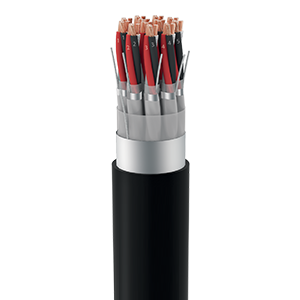 Instrumentation Cables
CablesThese cables used for connecting instruments and control systems for analogue or digital signal transmission for indoor and outdoor applications.These cables shall not be connected directly to mains electricity supply…
500 V a.c. · -40°C / + 90°C (during operation) – 5…
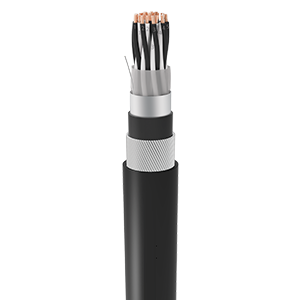 Instrumentation Cables
CablesThese cables used for connecting instruments and control systems for analogue or digital signal transmission for indoor and outdoor applications.These cables shall not be connected directly to mains electricity supply…
500 V a.c. · -30°C / + 70°C (during operation) – 5…
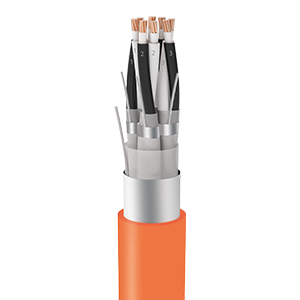 Instrumentation Cables
CablesThese cables used for connecting instruments and control systems for analogue or digital signal transmissionfor indoor applications.These cables shall not be connected directly to mains electricity supply or other lowimpedance…
500 V a.c. · -40°C / + 90°C (during operation) – 5…
Need a different size, standard or quantity? Request a quote