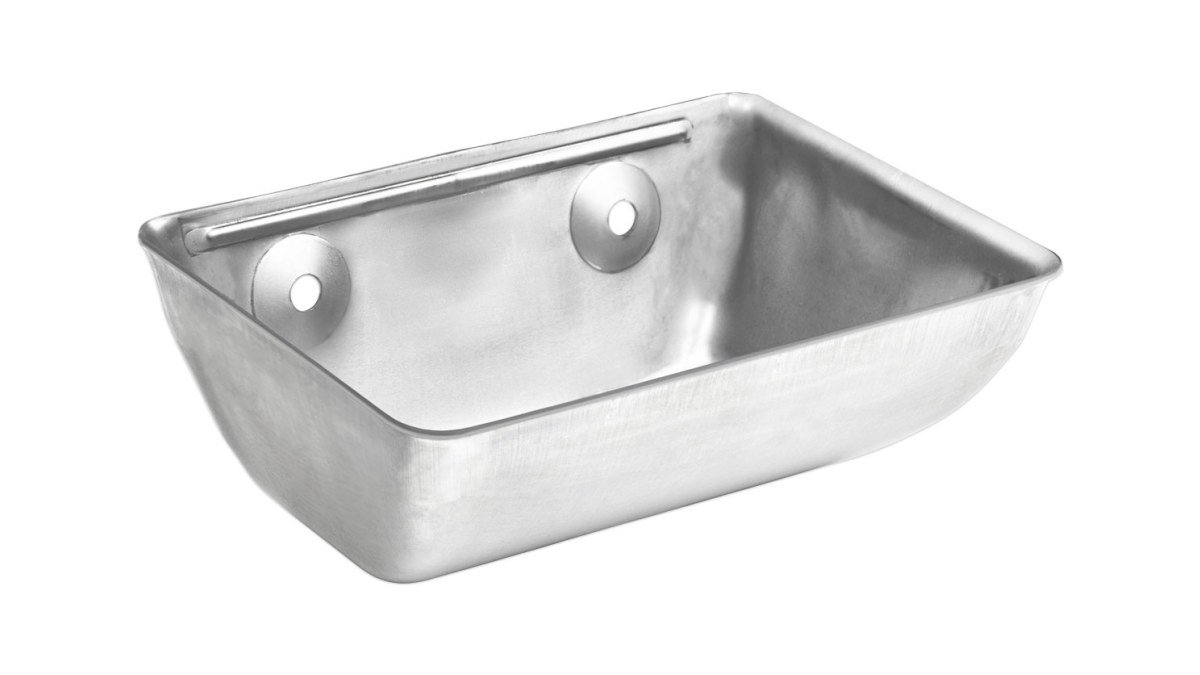
The bucket is the part of a bucket elevator that does the actual work. Choosing the right one affects capacity, energy use, wear, product damage and even safety. Upgrading to a better bucket design is often the cheapest way to increase the capacity of an existing elevator without changing the casing, head or drive. Here is how to approach the choice.
Start with the material you are handling
The bulk material decides almost everything:
- Free-flowing materials (grain, pellets, sugar, fertiliser) – modern high-capacity profiles work well.
- Sticky or damp materials (some feeds, clay, wet sand) – smooth inner surfaces and suitable bucket shapes reduce build-up.
- Abrasive materials (sand, cement clinker, minerals) – steel, polyurethane or wear-resistant plastic buckets.
- Hot materials – steel or high-temperature nylon.
- Food and feed – food-grade materials with the right declarations of compliance.
Bucket materials compared
Examples from our range include the Starco steel bucket, the Super Starco plastic bucket, Nylathane buckets and Nylatron buckets for demanding applications.
Shapes and standards
European elevators often use buckets to DIN standards, which define the shape and dimensions so that replacements fit existing elevators:
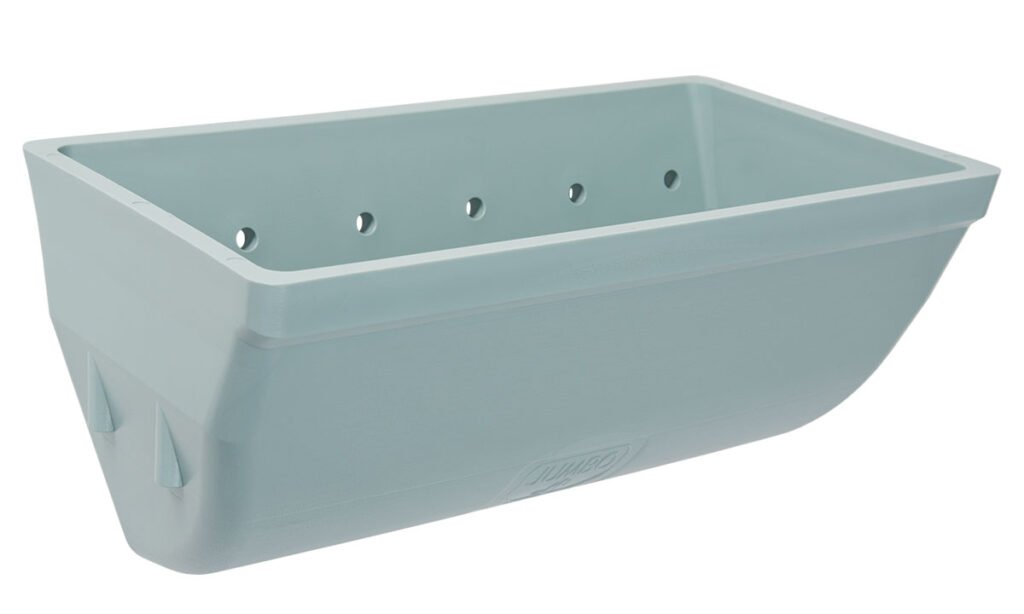
Beyond the DIN shapes, modern high-capacity designs such as the Jumbo CC-S buckets fill and discharge more efficiently and can be spaced more closely, increasing capacity on the same belt.
Capacity, spacing and belt speed
Elevator capacity depends on the bucket volume, the number of buckets per metre and the belt speed. Three practical levers:
- Larger or more efficient buckets in the same projection.
- Closer spacing – possible with buckets designed to nest or with a profile that discharges cleanly.
- Belt speed – limited by the discharge behaviour; too fast and material is thrown back down the elevator.
Because discharge depends on the head pulley diameter and speed, changing bucket type should be checked by calculation. Send us the elevator data and we can help with a capacity check.
Fixing buckets correctly
Buckets are only as reliable as their fixing. Use the right elevator bolts for the bucket and belt — for example Euro bolts, Fang bolts or Easifit bolts — with the correct washers and tightening torque. Our article on belt splices and elevator bolts covers this in detail.
Safety: buckets and explosion risk
Bucket elevators handling combustible dusts are a recognised explosion risk. Plastic buckets can reduce friction sparks, but they do not remove the need for hazard monitoring. See our article on bucket elevator hazard monitoring and ATEX.
Find the right bucket
Browse our full range of elevator buckets (4B products) and bucket elevator components, or send us your elevator data: material, capacity, belt width, belt speed and current bucket type.
Frequently asked questions
Which bucket material is best for grain?
High-density polyethylene buckets are common for grain because they are light, smooth, food-grade and do not spark. Nylon or polyurethane may be preferred for more abrasive or warm products.
Can I increase elevator capacity by changing buckets?
Often, yes. A more efficient bucket profile or closer spacing can increase capacity on the same belt. The change should be checked against belt tension, drive power and discharge behaviour.
What do DIN 15233 and DIN 15232 define?
They define standard bucket shapes and dimensions, so that replacement buckets fit existing elevators. Our catalogue lists Continental buckets to DIN 15233 and Columbus buckets to DIN 15232.
Products mentioned in this article
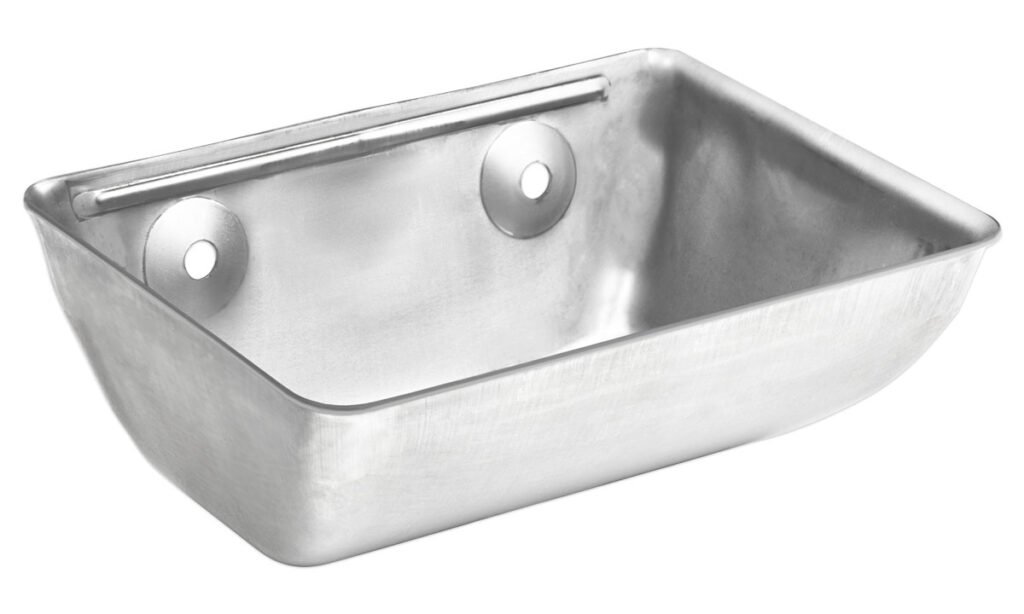 Elevator Buckets
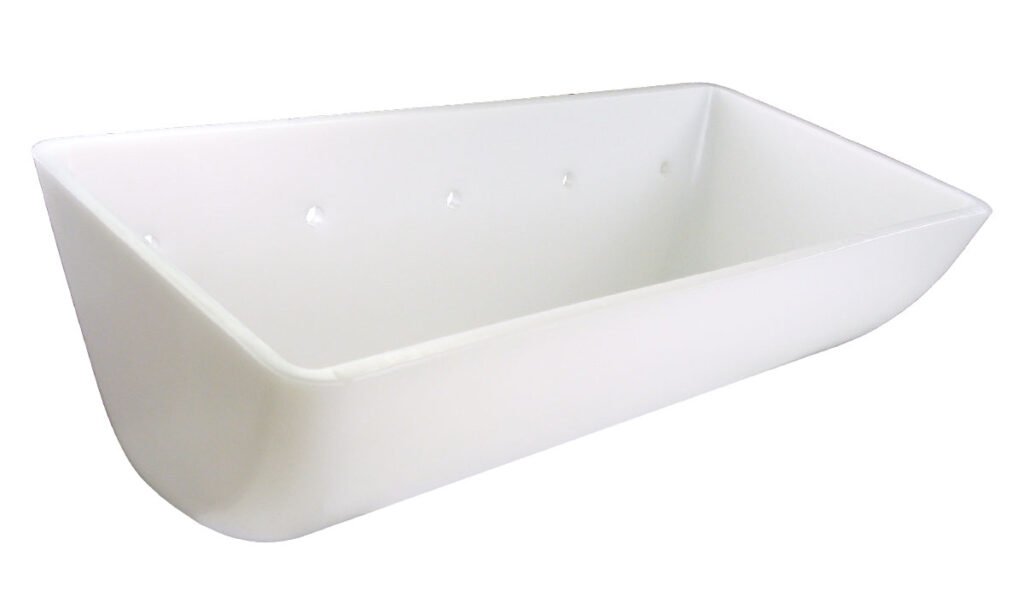
Bucket Elevator ComponentsStarco™ elevator buckets are engineered for higher capacity elevator legs. Tapered sides ensure maximum bucket fill at a closer spacing. A unique front profile guarantees clean discharge over a wider range of…
Super Low Profile Elevator Buckets
 Elevator Buckets
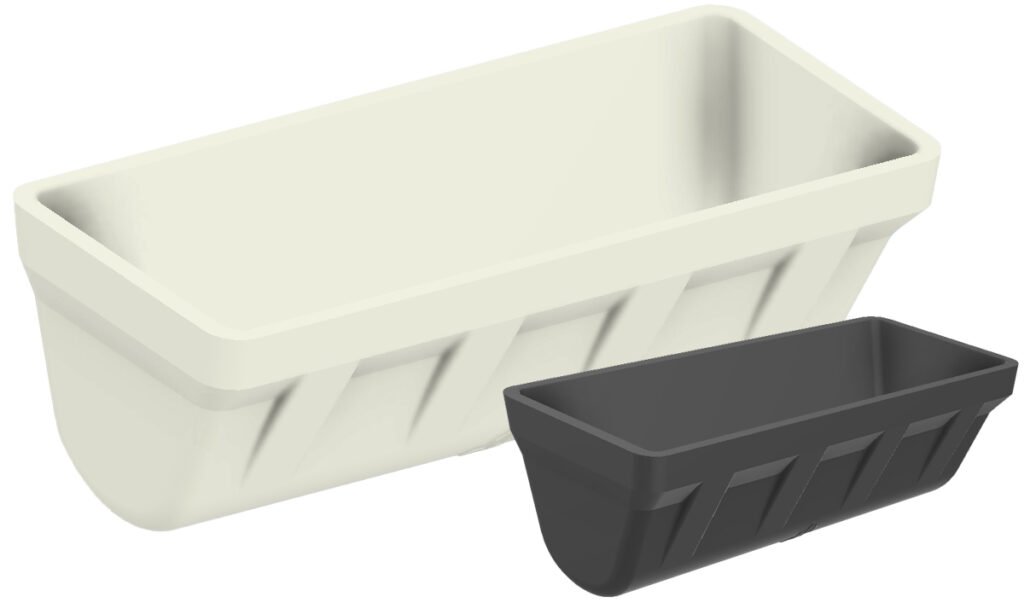
Bucket Elevator ComponentsThe Super Starco™ elevator bucket is the result of intensive research to achieve the maximum individual bucket capacity, while still maintaining the perfect fill and discharge characteristics of the original standard Starco™…
SPS Elevator Buckets
 Elevator Buckets
Bucket Elevator ComponentsThe JUMBO™ CC-S ® is an ultra heavy duty version of the CC-S heavy duty elevator bucket, and part of 4B’s High Efficiency bucket range. It is intended for the most severe…
Ultra Heavy-Duty CC-S Style Buckets
 Elevator Buckets
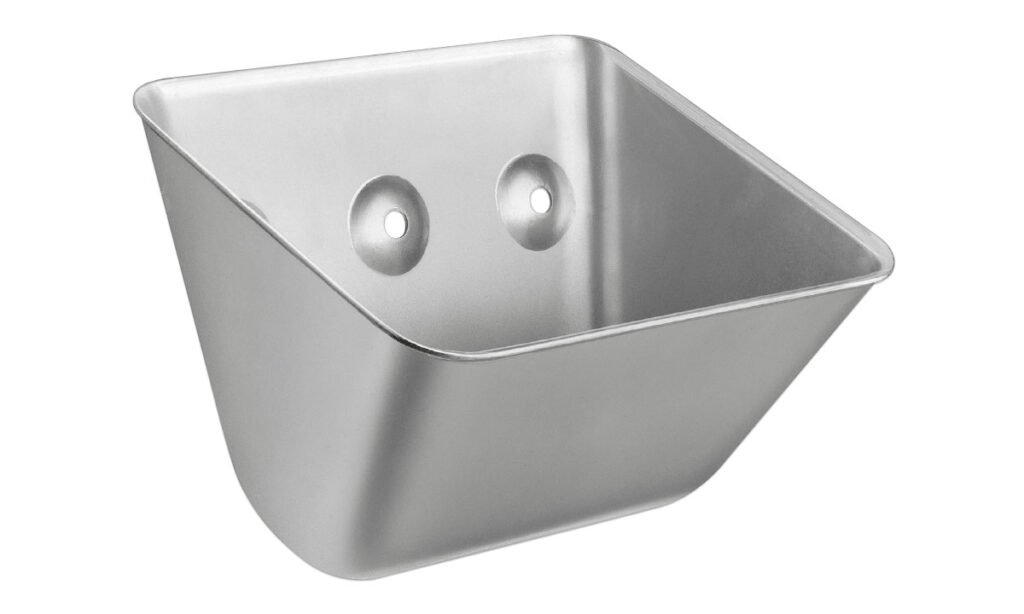
Bucket Elevator ComponentsIndustrial pressed steel elevator bucket.
H-Type Industrial Buckets
 Elevator Buckets
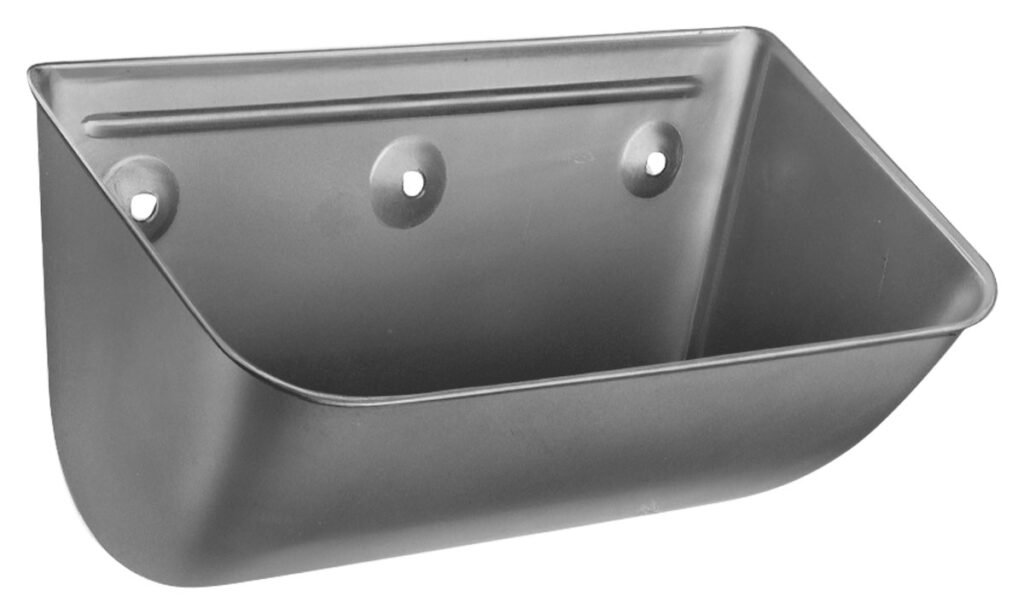
Bucket Elevator ComponentsPressed steel elevator bucket that is ideal for free flowing material on centrifugal speed elevators.
G-Type Elevator Buckets
 Elevator Buckets
Bucket Elevator ComponentsHigh performance, severe duty AA style Nylathane™ bucket with reinforced front lip for unsurpassed impact and abrasion resistance, featuring unique anti-static and non-stick properties that make it suitable for light to heavy,…
Industrial Duty Elevator Bucket
Need a different size, standard or quantity? Request a quote