When a bucket elevator stops unexpectedly, the cause is often small: a failed belt splice, buckets torn from the belt, or loose bolts that let buckets work free. These parts cost little compared with the downtime they cause. Good selection and a disciplined maintenance routine prevent most of these failures.
Belt splices: the weakest link
A splice joins the two ends of the elevator belt. Mechanical splices are standard in elevators because they can be fitted inside the casing without vulcanising equipment. The main types are:
- Clamp-type splices – the belt ends are turned up and clamped between steel or aluminium bars, such as Supergrip and Gripwell splices. They suit high tensions and are widely used.
- Lap splices – the belt ends overlap and are bolted through, often with buckets. Simpler, but they reduce belt strength more.
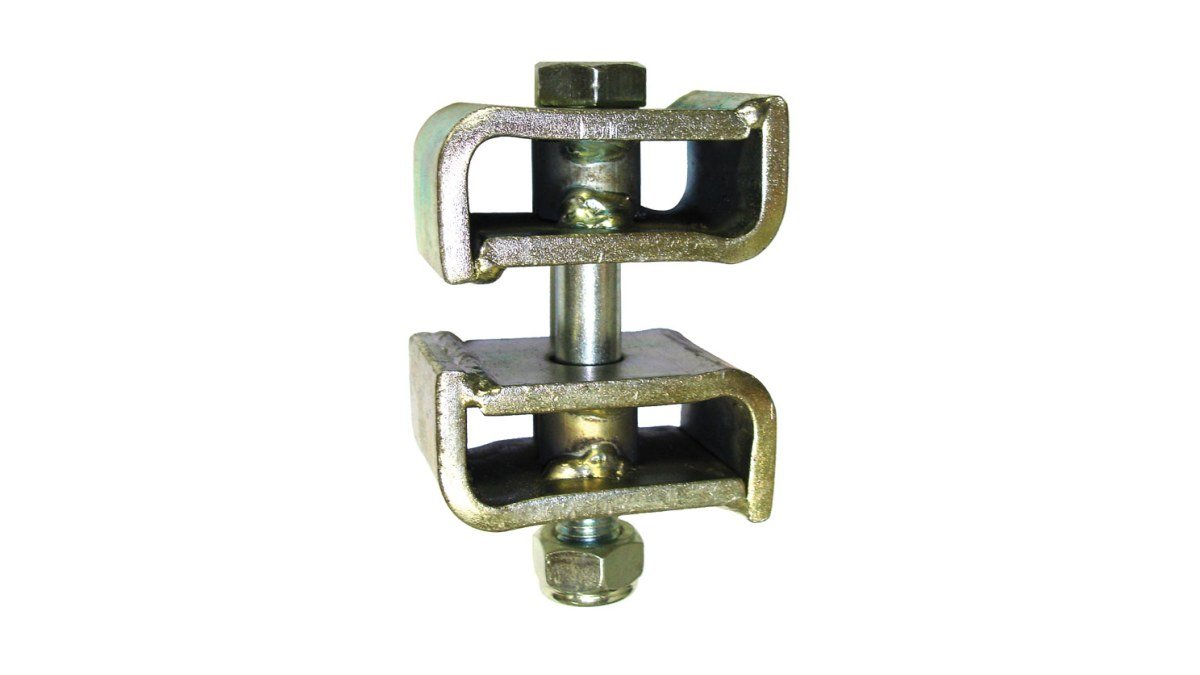
- Belt clamps for installation – tools such as the belt clamp or the vise splice hold the belt during installation and re-tensioning.
Choosing a splice
- Check the splice rating against the belt’s working tension and carcass strength.
- Match the splice to the belt thickness.
- For ATEX areas, use splices whose materials and design are suitable for the classified zone.
- Consider the head and boot pulley diameter — clamp splices need clearance.
Installation tips
- Cut the belt ends square — a skewed cut causes the belt to track off-centre.
- Follow the bolt tightening sequence and torque from the splice manufacturer.
- Re-check bolt torque after the first hours of operation, as the belt settles.
- Protect bolt heads and nuts from contact with the casing.
Elevator bolts: small parts, big consequences
Elevator bolts attach the buckets to the belt. They have a large, flat head that sits flush with the belt face so it runs smoothly over the pulleys. Common types include:
- Euro bolts – a standard European elevator bolt with a large flat head.
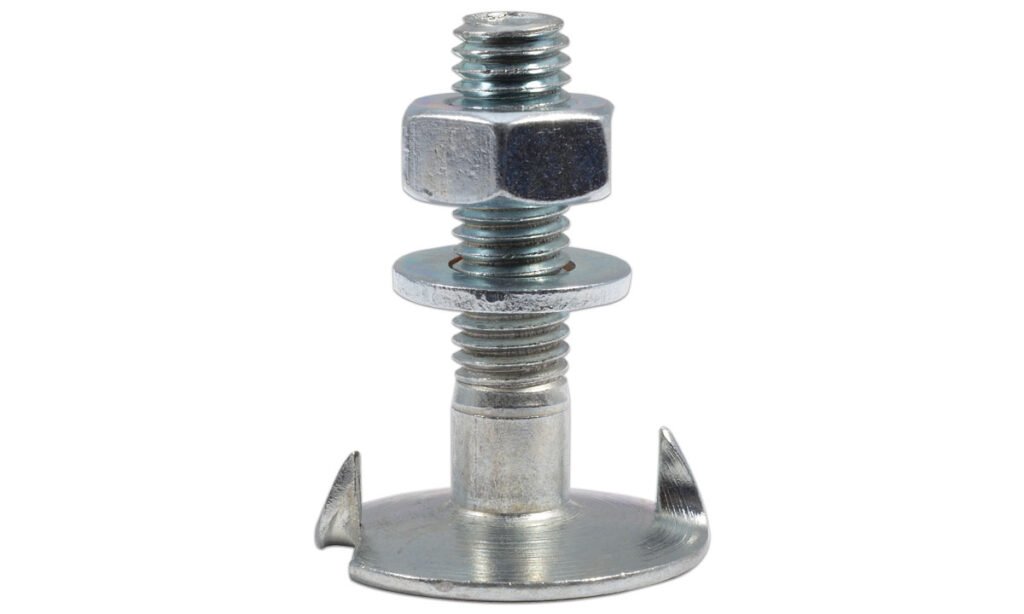
- Fang bolts – with fangs (prongs) that bite into the belt to stop the bolt turning while the nut is tightened.
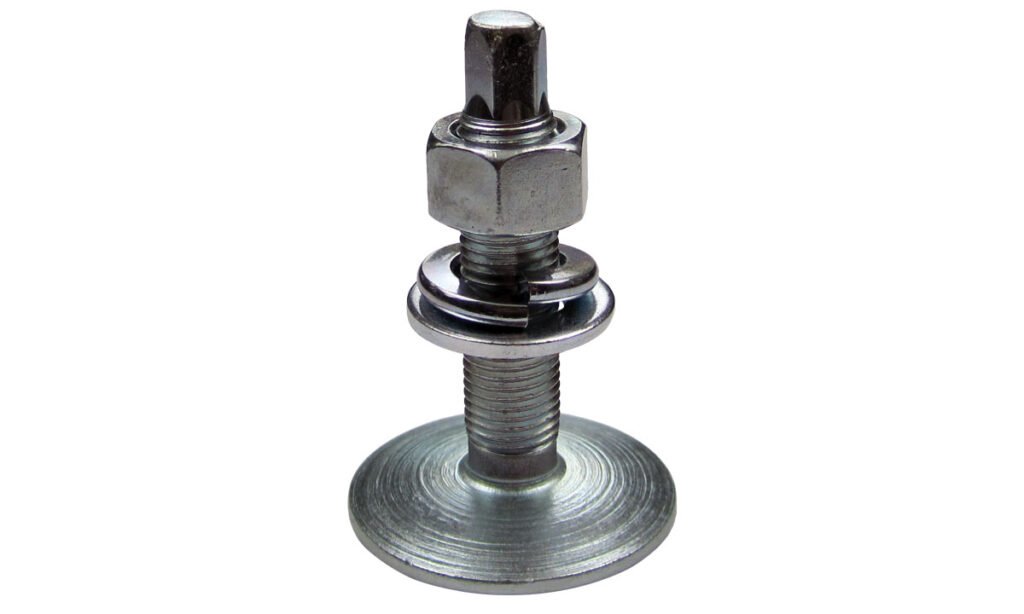
- Easifit bolts – designed for quick fitting from one side, with matching Easifit tools.
- Reference 70 bolts – a common pattern in older European elevators.
Use the right washers — such as large oval washers for plastic buckets — to spread the load and avoid cracking the bucket back.
A simple inspection routine
Common failure causes
- Splice under-rated for the belt tension, especially after capacity increases.
- Bolts not re-tightened after installation.
- Wrong washers on plastic buckets leading to cracks.
- Belt misalignment causing buckets to strike the casing — which is also a fire and explosion risk. See our hazard monitoring article.
Keep spares on the shelf
We recommend keeping a spare splice, a box of bolts and washers, and a few buckets for every critical elevator. Browse our belt fasteners, elevator bolts and buckets (4B products), or request a spares quotation for your elevator list.
Frequently asked questions
How often should splice bolts be checked?
Re-check splice bolt torque after the first hours of operation and then at regular intervals, typically monthly, as well as at every planned shutdown.
Why do plastic buckets crack at the bolts?
Cracks usually come from washers that are too small or from over-tightening. Large oval washers spread the load across the bucket back.
What is a fang bolt?
A fang bolt has prongs under its head that bite into the belt, stopping the bolt from turning while the nut is tightened from inside the bucket.
Products mentioned in this article
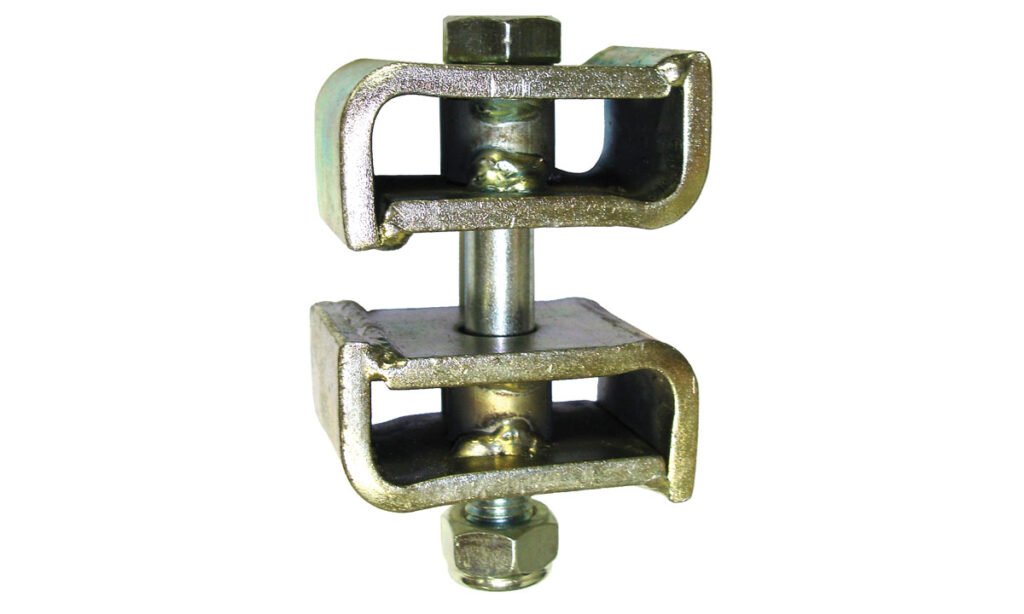 Belt Fasteners
Bucket Elevator ComponentsThe Supergrip heavy duty belt fastener secures belting on bucket elevators. The two ends of the belt are gripped between extruded steel plates, clamped together by zinc plated high tensile bolts and…
Heavy Duty Elevator Belt Fastener
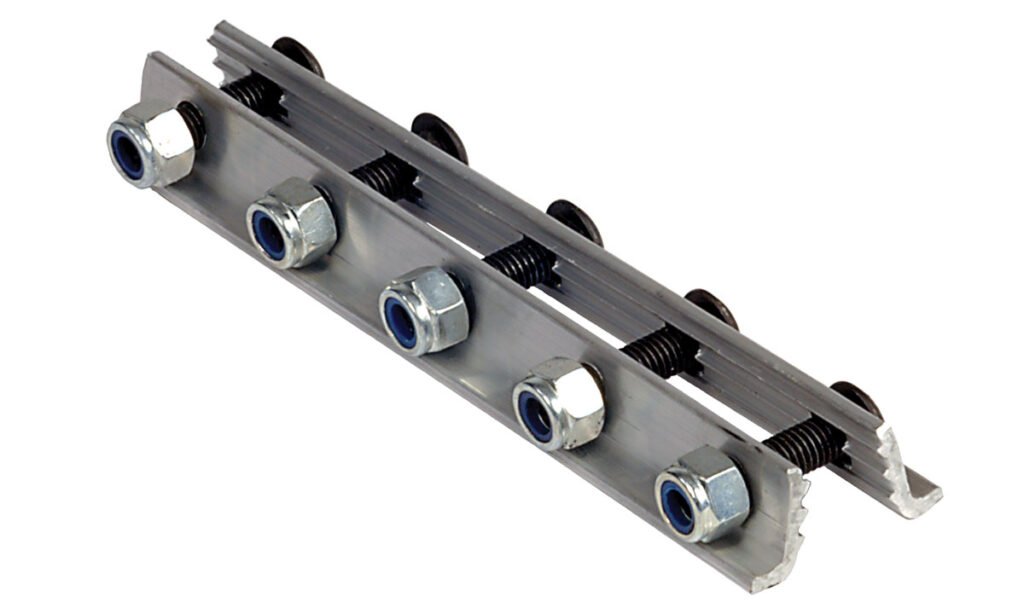 Belt Fasteners
Bucket Elevator ComponentsThe Gripwell light duty aluminum fastener secures belting on bucket elevators. The two ends of the belt are gripped between extruded serrated plates, clamped together by zinc plated high tensile bolts, safely…
Light Duty Elevator Belt Fastener
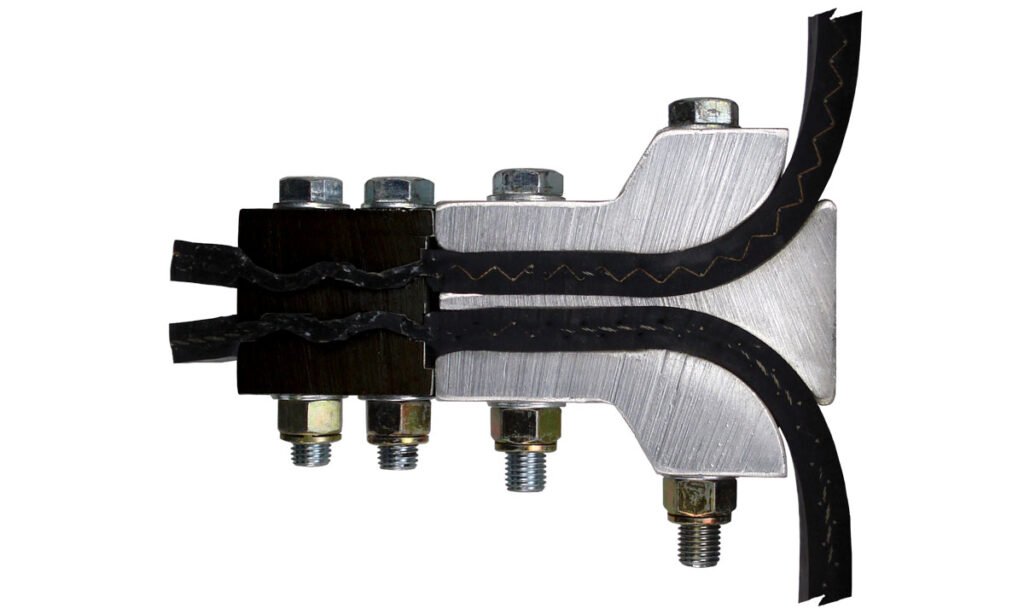 Belt Fasteners
Bucket Elevator ComponentsThe Braime Clamp (BC) series of heavy duty belt splices securely fastens belting on larger bucket elevators. Designed from three pieces of extruded aluminium including a centre wedge section to minimize belt…
Belt Fastener Clamp for Steel Web Belts
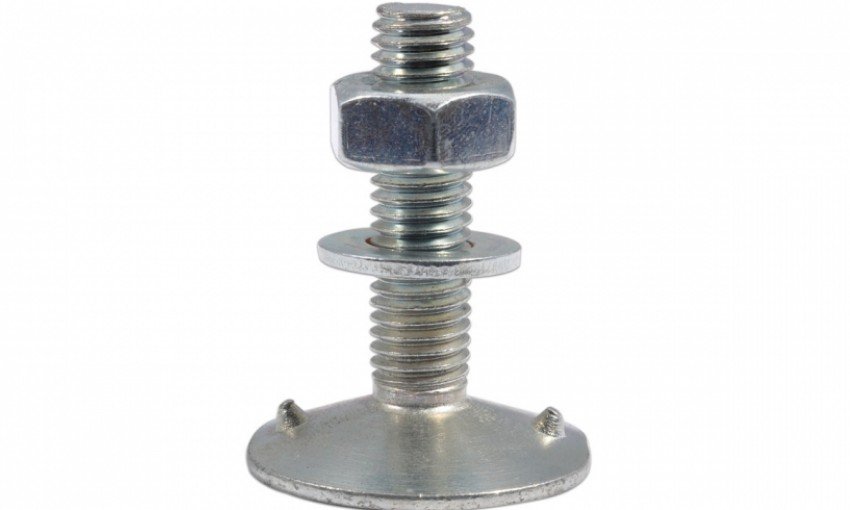 Elevator Bolts
Bucket Elevator ComponentsEURO bolts have a concave head and two lugs on the underside to help prevent rotation when tightening. The Euro elevator bolts are intended for the attachment of pressed steel elevator buckets…
Elevator Bolts made to approx. DIN 15237
 Elevator Bolts
Bucket Elevator ComponentsThe fanged elevator bolt is characterized by two sharp teeth that are intended to penetrate the carcass of the elevator belt. Once the teeth penetrate the belt, they help keep the bolt…
Fanged Elevator Bolts
 Elevator Bolts
Bucket Elevator Components4B Easifit elevator bolts are unique in that they employ a hexagon tip. Special installation tools lock onto the tip, keeping the bolt from spinning as the lock nut is tightened. Fanged…
Need a different size, standard or quantity? Request a quote