Runway edge lights, centreline lights, approach lighting and taxiway guidance all depend on a cabling system that is unusual in electrical engineering: the series circuit. Hundreds of lights are connected in one long loop fed with a constant current. The cables used in these loops — and the short cables that connect each light — are specialised products, and airport projects across Europe specify them carefully.
How an AGL series circuit works
A constant current regulator (CCR) in the airfield substation drives a regulated current (typically up to 6.6 A) through a primary cable loop that can be several kilometres long. At each light fitting, an isolating (series) transformer couples the light to the loop. If one lamp fails, the transformer keeps the circuit closed, so the other lights stay on. Light intensity is set by changing the loop current.
Primary cables
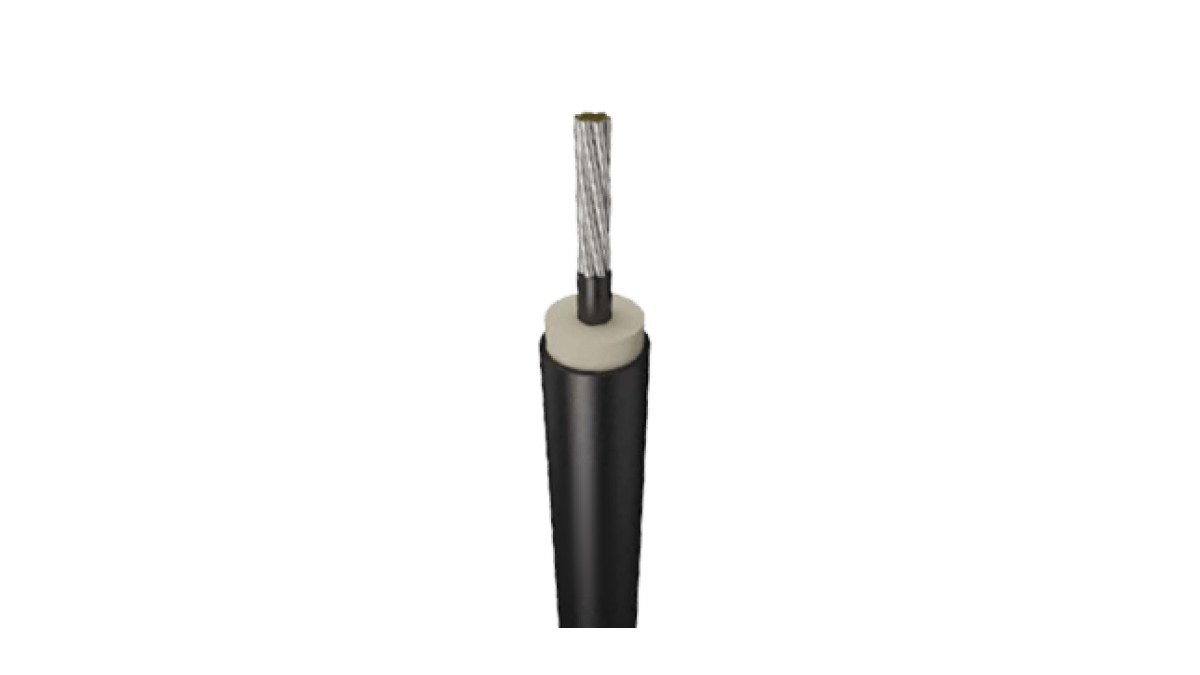
Because the loop is long and carries many transformers in series, the primary cable must withstand a relatively high voltage — commonly rated at 5 kV. Primary AGL cables are single-core with a robust insulation system and, depending on the specification, with or without a metallic screen:
Specifications often refer to standards such as FAA L-824 or national airport authority requirements. Always confirm which standard and conductor class the airport requires.
Secondary cables
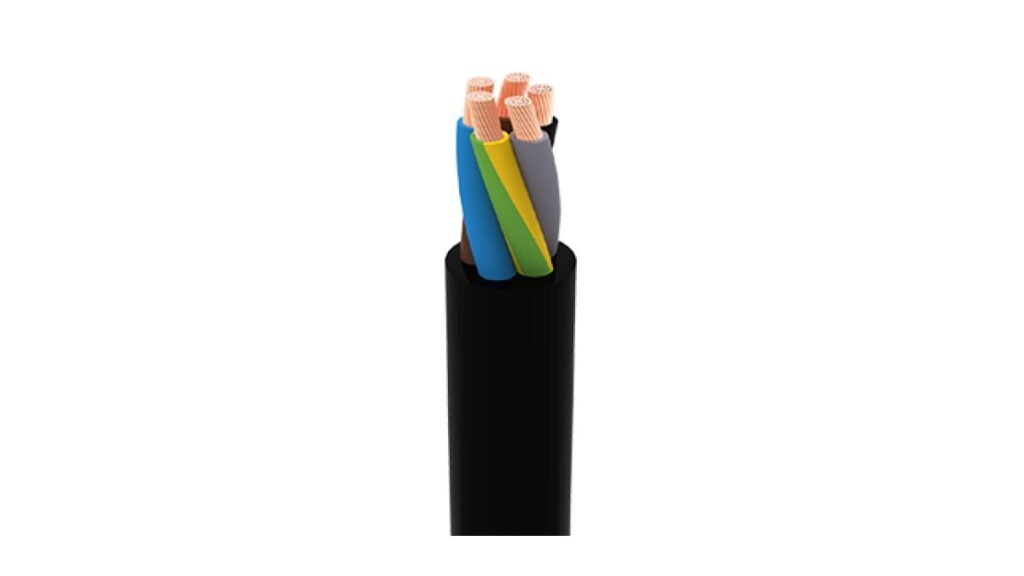
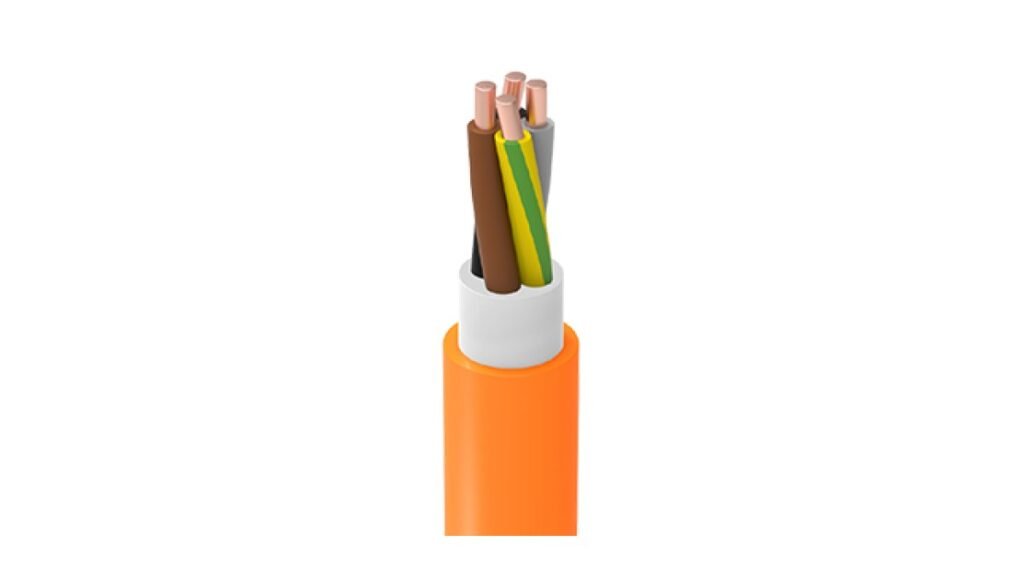
Secondary cables connect the isolating transformer to the light fitting. They are short, low-voltage, and must withstand burial in light bases and exposure to water, de-icing fluids and fuel. Typical choices include the AGL secondary power cable and its flexible version, or rubber cables such as H07RN-F where permitted.
Pavement and inset installation
Inset lights in runways and taxiways need cables that can be laid in saw-cut slots in the pavement and sealed. A dedicated airport pavement cable is designed for this: compact, mechanically robust and resistant to the sealants and fluids used on airfields.
Type B and Type C cables
Under FAA L-824, primary cables come as Type B (EPR insulation with an overall jacket) and Type C (XLPE insulation), with either 7-wire or more flexible 19-wire stranding. Many AGL ranges follow the same B and C naming. More flexible stranding eases installation in light bases and around tight bends; standard versions are common for long primary runs in ducts.
What to check for an airport project
- The airport authority’s cable specification and approved standard (FAA, national or project-specific).
- Voltage rating and insulation thickness for primary cables.
- Screen type, and how it is to be earthed along the circuit.
- Conductor size (6 mm² is common for primary loops in Europe, while FAA-based specifications typically call for 8 AWG; check the project specification).
- Resistance to fuel, de-icing fluids and water.
- Connector and splice kit compatibility (plug and receptacle systems).
- Drum lengths that suit the circuit design, to minimise joints.
Planning ahead
Runway works happen in short, tightly scheduled closure windows. Cable must be on site, tested and ready before the closure starts. We recommend confirming cable quantities with a margin and booking production early.
Get a quotation
Our airfield lighting cable range covers primary and secondary AGL cables in screened and unscreened versions. Send us the airport specification and quantities, and we will propose compliant options with documentation.
Frequently asked questions
Why are airfield lights connected in series?
A series circuit fed with constant current gives every light the same current, so all lights have the same brightness regardless of their distance from the regulator. Isolating transformers keep the circuit closed if a lamp fails.
What voltage are primary AGL cables rated for?
Primary AGL cables are commonly rated at 5 kV because long series loops with many transformers require a relatively high voltage at full current. Check the airport’s specification for the exact requirement.
What is the difference between primary and secondary AGL cables?
Primary cables form the long series loop from the constant current regulator. Secondary cables are short, low-voltage cables connecting each isolating transformer to its light fitting.
Products mentioned in this article
 Airfield Lighting Cables
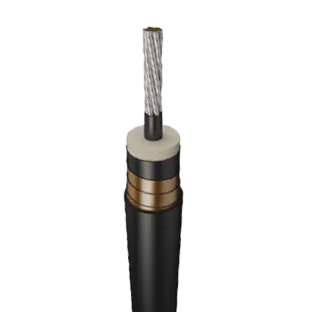
CablesAGL Unscreened Power Cable – C for airfield lighting applications. Construction: Strand of annealed tinned or bare copper wires According to IEC C 60228 – Class 2 AWG types to…
5 kV
 Airfield Lighting Cables
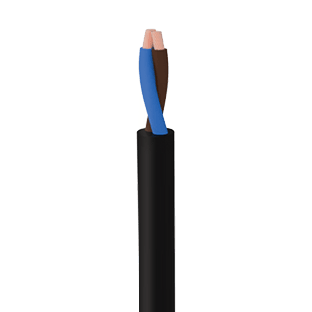
CablesAGL Copper Power Cable – C for airfield lighting applications. Construction: Stranded annealed tinned or bare copper wires According to IEC 60228 – Class 2 AWG types to ASTM B8…
5 kV
 Airfield Lighting Cables
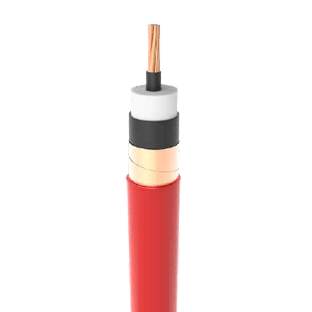
CablesAGL Secondary Power Cable – C for airfield lighting applications. Construction: Strand of annealed tinned or bare copper wires According to IEC C 60228 – Class 2 or Class 5…
600 V
 Airfield Lighting Cables
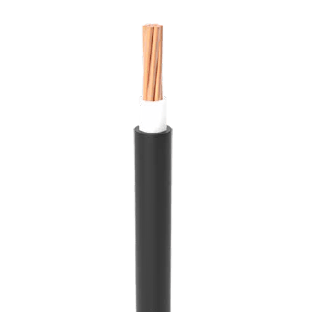
CablesRHZ1 Power-C Primary Airfield Lighting Cable for airfield lighting applications. Construction: Stranded annealed tinned or bare copper wires According to IEC 60228 – Class 2; XLPE – Cross linked polyethylene…
5 kV · -25ºC / +90ºC
 Airfield Lighting Cables
CablesAirport Pavement Cable for airfield lighting applications. Construction: Stranded annealed tinned or bare copper wires According to IEC 60228 – Class 2; PVC insulation (85 °C) Colourless.
600 V · -40ºC / +85ºC
 Airfield Lighting Cables
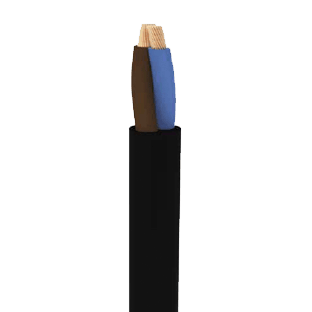
CablesH07RN-F Airfield Lighting Cable for airfield lighting applications. Construction: Electrolytic annealed, class 5 stranded plain copper wires (tinned conductor on request); EI4 type rubber (EPR) compound; EM2 type elastomeric rubber…
-25ºC / +60ºC
Need a different size, standard or quantity? Request a quote