Three pieces of EU legislation shape the environmental compliance of electrical products: RoHS restricts hazardous substances, REACH regulates chemicals and requires information on substances of very high concern, and WEEE organises the collection and recycling of waste equipment. Distributors and importers are expected to know which apply and to hold the right documents.
RoHS: restricted substances
The RoHS Directive (2011/65/EU, as amended) restricts ten substances in electrical and electronic equipment (EEE):
- lead, mercury, hexavalent chromium, polybrominated biphenyls (PBB) and polybrominated diphenyl ethers (PBDE) – maximum 0.1 % by weight in homogeneous materials;
- cadmium – maximum 0.01 %;
- four phthalates (DEHP, BBP, DBP, DIBP) – maximum 0.1 % each.
Some uses are exempted for limited periods, and exemptions are reviewed regularly. RoHS compliance is part of the CE marking, so it appears on the Declaration of Conformity.
What to ask for: a RoHS declaration, supported by test reports (for example XRF screening and laboratory tests for phthalates) or supplier material declarations. For cables such as PVC cords, phthalate plasticisers are a known risk area, so ask specifically.
REACH: SVHCs and the Candidate List
REACH (Regulation (EC) No 1907/2006) applies to all products, not just electrical ones. For buyers of finished articles, the key obligations are:
- Article 33 – if an article contains a substance from the Candidate List of Substances of Very High Concern (SVHC) above 0.1 % by weight, the supplier must provide sufficient information to allow safe use — at least the substance name.
- Annex XVII restrictions – certain substances are restricted or banned in specific uses.
- The Candidate List is updated regularly, so declarations should refer to a recent version.
The SCIP database
Under the Waste Framework Directive, companies placing articles containing Candidate List SVHCs above 0.1 % on the EU market must notify them to ECHA’s SCIP database. If you import such articles, this obligation can fall on you. Ask suppliers for full SVHC information so you can decide whether a notification is needed.
WEEE: producer responsibility
The WEEE Directive (2012/19/EU) makes the “producer” responsible for financing the collection and recycling of electrical equipment. When you import EEE and sell it in an EU country, you may be the producer in that country and need to:
- register with the national WEEE register in each country where you sell;
- report quantities placed on the market and join a compliance scheme or set up your own take-back;
- mark products with the crossed-out wheeled bin symbol.
Rules differ between member states, and B2B and B2C equipment can be treated differently. Luminaires such as LED panels and floodlights, and solar panels such as PV modules, are within the scope of WEEE.
Batteries
If a product contains batteries — emergency lighting, solar street lights, backup units — the EU Batteries Regulation (EU) 2023/1542 adds its own requirements for labelling, collection and, progressively, due diligence and carbon footprint information.
A compact document checklist
- RoHS declaration (and test reports for higher-risk materials).
- REACH SVHC declaration referring to the current Candidate List.
- Information for SCIP notification if any SVHC is above 0.1 %.
- WEEE marking on product or packaging, and your registration numbers for the countries of sale.
- Battery information where relevant.
- The EU Declaration of Conformity referencing RoHS — see our CE marking guide.
Compliance-ready sourcing
We collect RoHS and REACH documentation with every electrical product we source for European customers and flag WEEE and battery obligations at the quotation stage. Browse our lighting, cables and solar and energy ranges or request a quote.
Frequently asked questions
How many substances does RoHS restrict?
Ten: lead, mercury, cadmium, hexavalent chromium, PBB, PBDE and four phthalates (DEHP, BBP, DBP and DIBP). The limit is 0.1 % by weight in homogeneous materials, except cadmium at 0.01 %.
What is the SCIP database?
SCIP is a database run by the European Chemicals Agency. Companies supplying articles that contain Candidate List substances above 0.1 % by weight on the EU market must notify them to SCIP.
Do I need to register for WEEE as an importer?
If you place electrical equipment on the market in an EU country, you are usually the producer there and must register with that country’s WEEE register and finance collection and recycling.
Products mentioned in this article
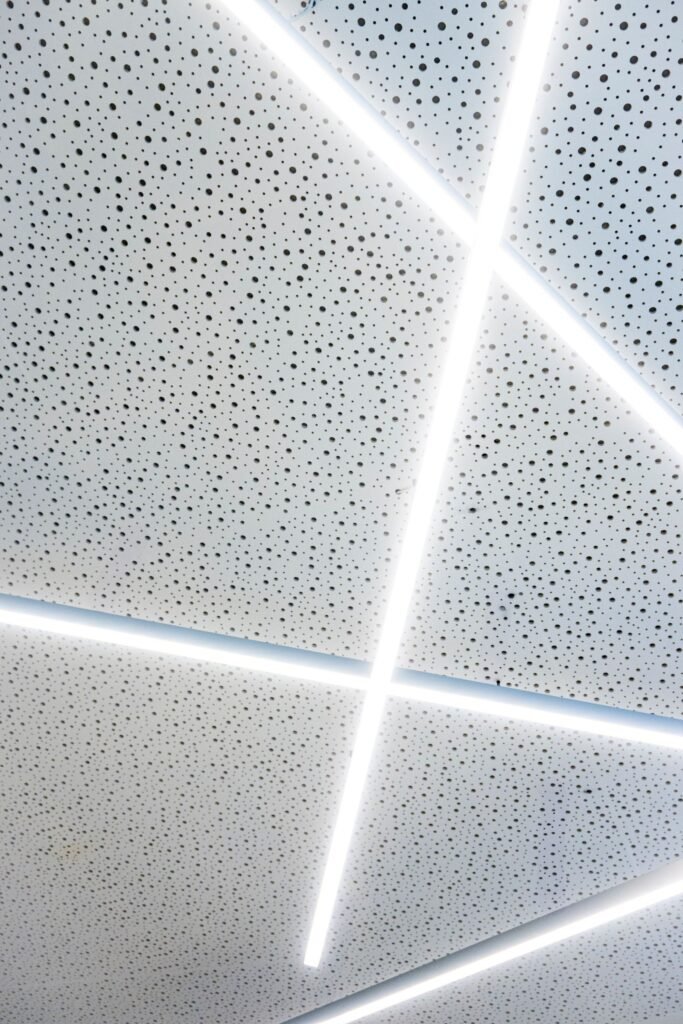 Commercial Lighting
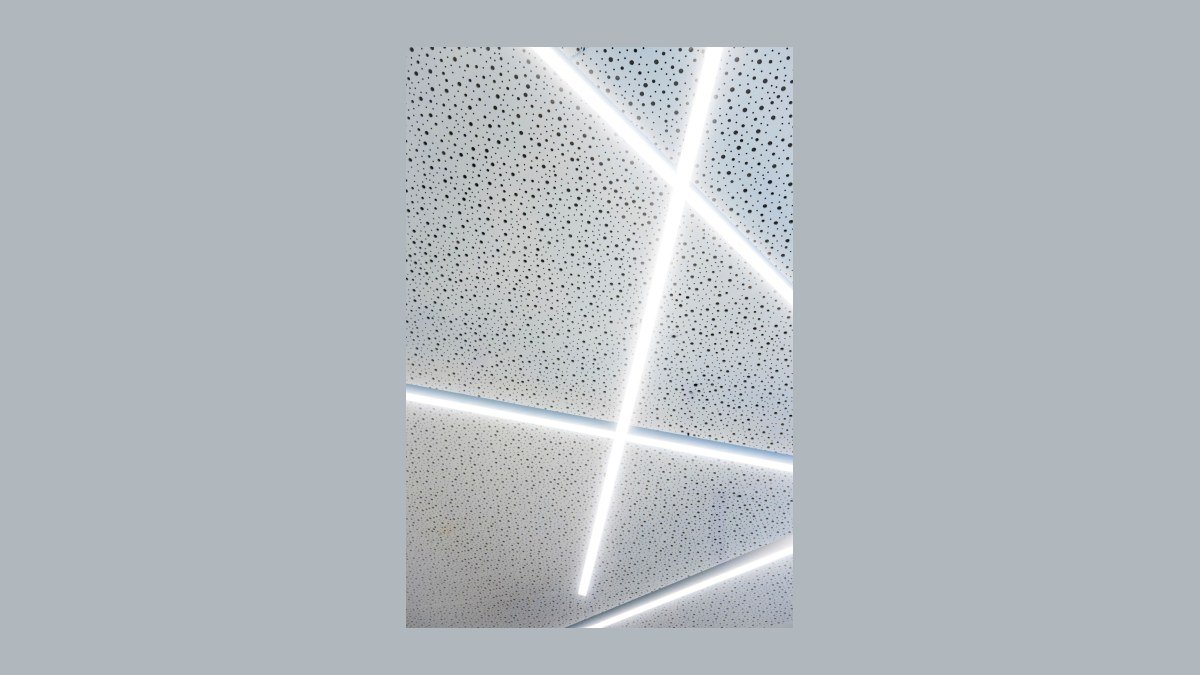
LightingRecessed or surface-mounted panel for offices, schools, healthcare and retail ceilings.
40 W · UGR < 19 option · flicker-free driver
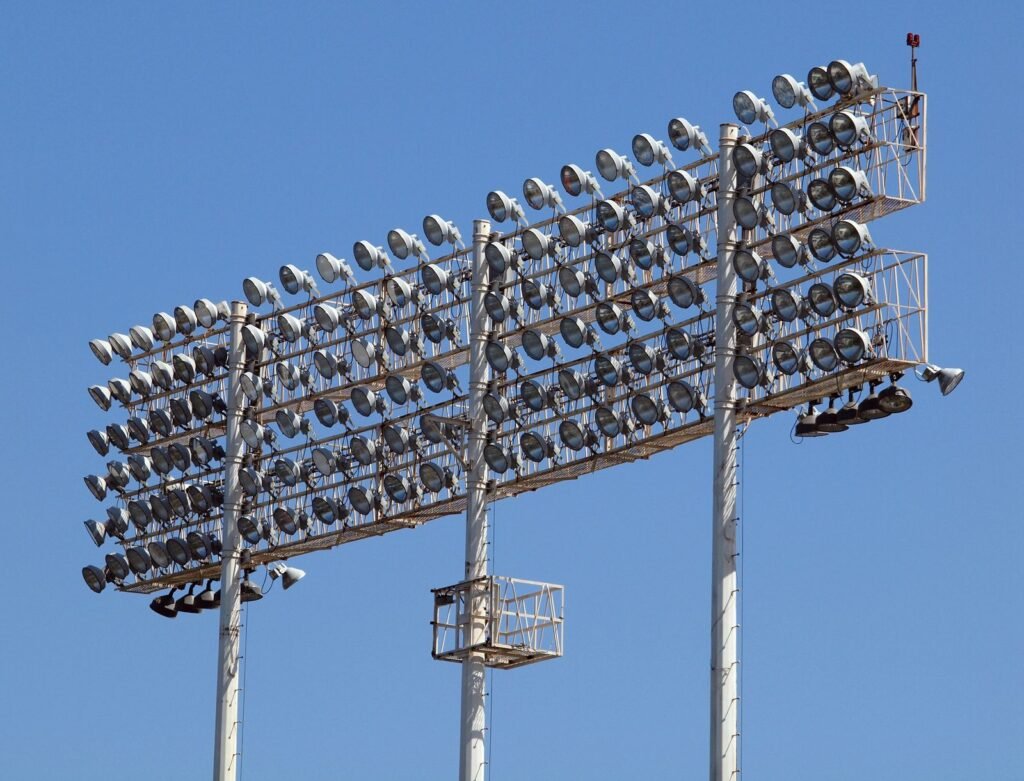 Floodlights
LightingArea and façade floodlight for yards, car parks, sports grounds and industrial perimeters.
200 W · IP66 · asymmetric & symmetric optics
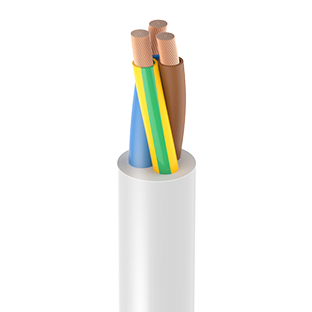 Industrial Cables
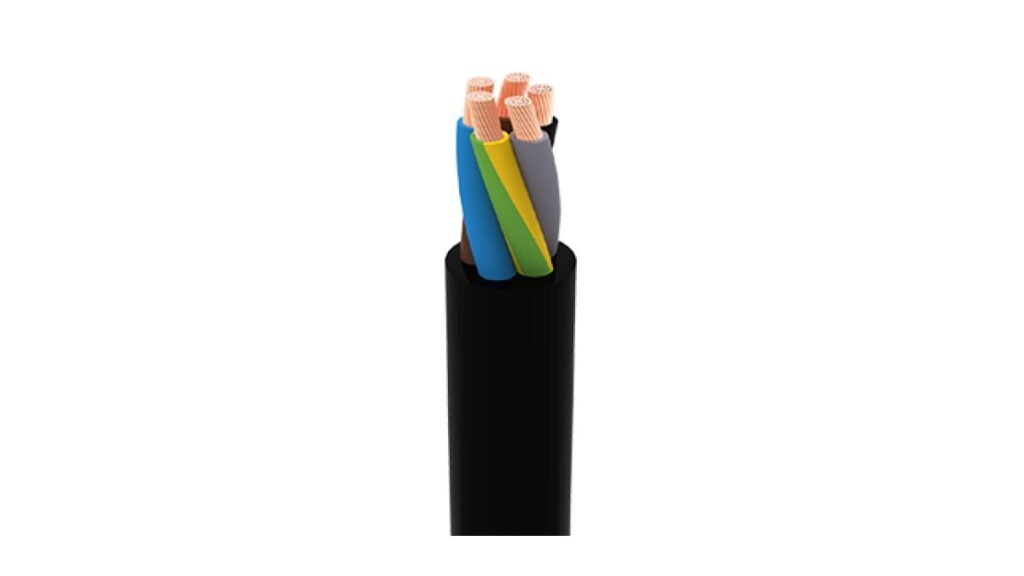
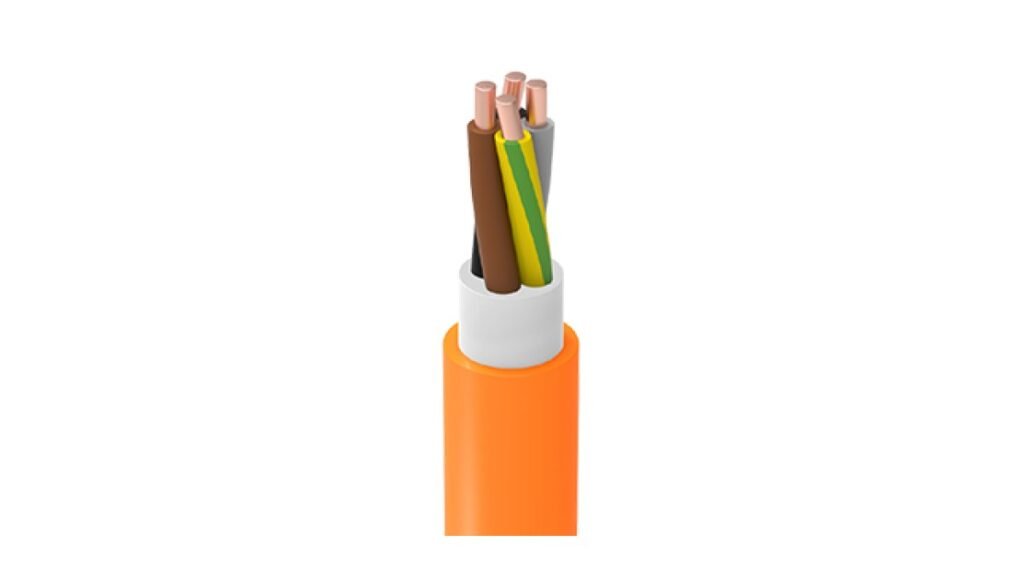
CablesThey are mainly used in mobile equipments, household and portable appliances where there is low mechanical stress.
300/500 V (U0/U) · -5°C to +70°C
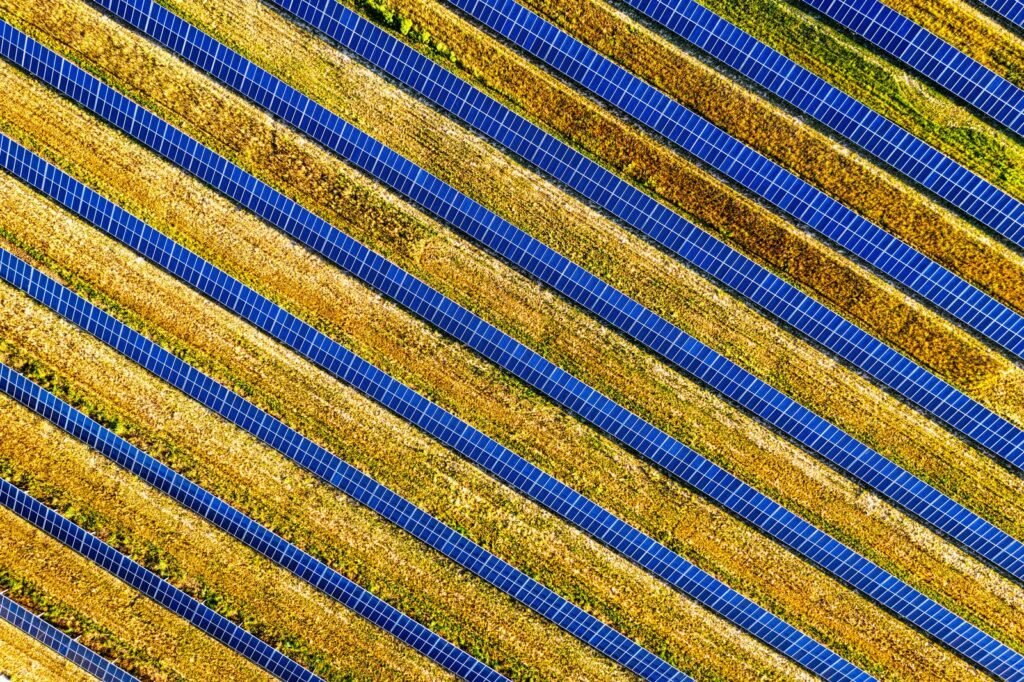 Solar Panels
Solar & EnergyHigh-output modules for commercial rooftops and ground-mounted plants, sourced from qualified manufacturers.
550 W · half-cut cells · 25-year power warranty (manufacturer)
Need a different size, standard or quantity? Request a quote