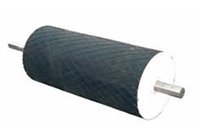
Installed at the head of a belt conveyor, magnetic pulleys remove tramp iron that a plate or overband magnet cannot reach because of the depth of the conveyed product. Used together with…
Installed at the head of a belt conveyor, magnetic pulleys remove tramp iron that a plate or overband magnet cannot reach because of the depth of the conveyed product.
Used together with those units, magnetic pulleys give the best possible protection against tramp metal.
Two magnetic materials are available: a standard-intensity unit with ceramic magnets, and a high-intensity unit with rare-earth magnets. The high-intensity version is the most popular because of its contaminant-removal efficiency.
Technical Specifications
Brand
4B
Application
Belt Conveyor
Features
Installed at the belt conveyor discharge point to remove tramp metal and small steel parts that the overband or plate magnet above the belt could not extract
Available in two strengths: standard for large steel items, or high-intensity for both large and small items
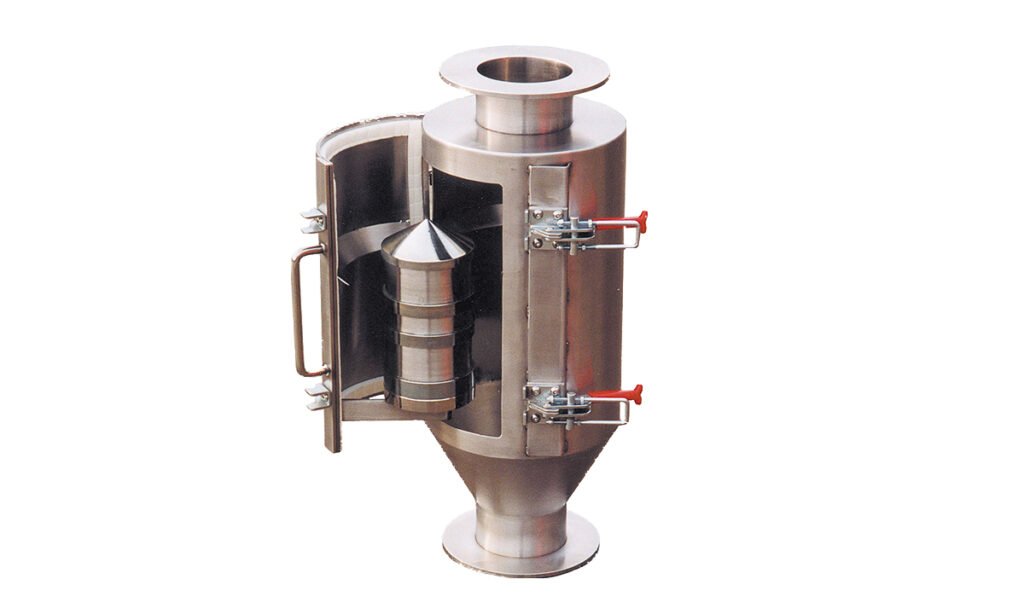
Housed bullet magnets are ideal for removing tramp-iron contaminants such as nuts, bolts and drill bits from gravity-fed and pneumatic conveying lines. The unit is designed to stop moving iron from damaging…
Tramp-iron separator for gravity and pneumatic lines
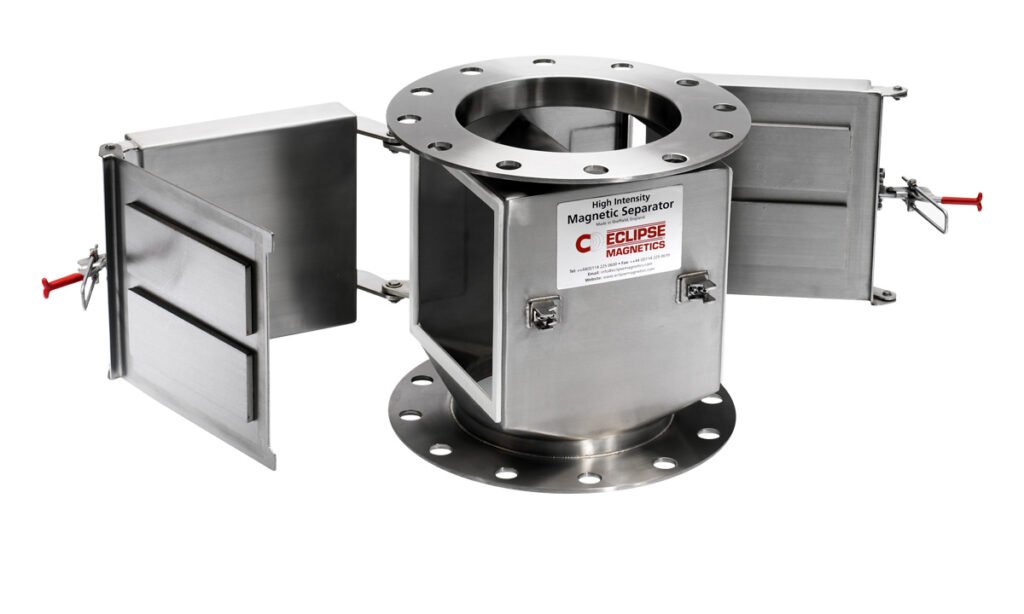
The Eclipse high-intensity chute separator is designed for demanding conditions where contaminants are relatively large, such as nuts and bolts. The unit consists of two magnet packs joined by a hinge and…
Rare-earth magnetic strips are versatile and can be used in many different processes. They are normally installed over conveyors and vibratory feeders to attract tramp-iron contaminants and any loose parts that have…