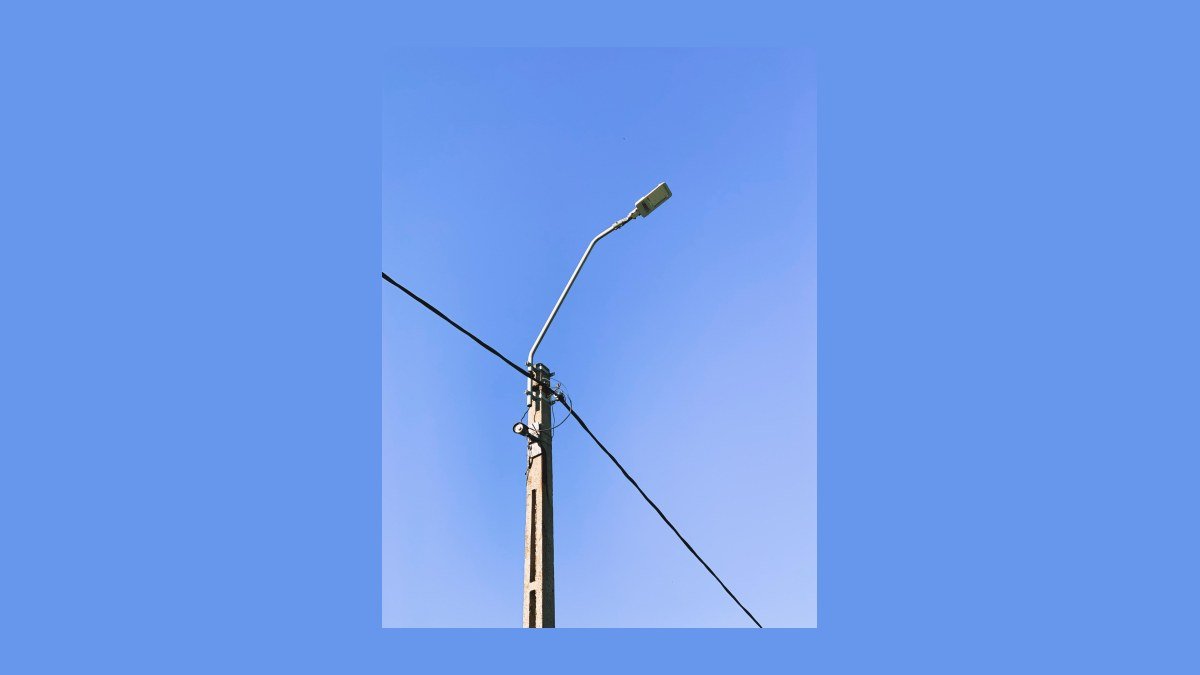
Across Europe, municipalities and road operators are replacing sodium and mercury street lights with LED luminaires to cut energy costs, reduce maintenance and improve light quality. Public tenders for these projects are increasingly technical: they ask for photometric calculations, lifetime data, smart-control readiness and environmental criteria. This guide summarises what buyers should specify and check.
Start from the lighting design
Road lighting in Europe is designed to the EN 13201 series, which defines lighting classes for different road types (M classes for motorised traffic, P classes for pedestrian areas, C classes for conflict areas). A good tender asks for a lighting calculation per road profile using the offered luminaire’s photometric file, rather than just a wattage.
- Ask for photometric files in EULUMDAT (LDT) and/or IES format.
- Compare offers on the energy needed to meet the class (for example power density indicators), not on luminaire wattage alone.
- Check that the calculation uses realistic maintenance factors.
Key technical requirements
Our 100 W LED street light shows a typical specification; we source a range of wattages and optics for different road classes.
Smart-ready luminaires
Even if a city does not plan a smart lighting system today, specifying a standard socket (for example Zhaga Book 18) and a D4i driver allows control nodes to be added later without replacing luminaires. Dimming during low-traffic hours can save a large share of the remaining energy use.
Documentation for European tenders
- EU Declaration of Conformity covering the Low Voltage, EMC and RoHS directives — see our CE marking guide.
- Test reports to EN 60598-1 and EN 60598-2-3 (road and street lighting luminaires).
- Photometric reports and files from an accredited or recognised laboratory.
- Ecodesign information for the light sources and control gear, where applicable.
- Warranty terms — five years or more is common for public lighting.
- Spare parts availability, especially drivers and surge protection modules.
Beyond the road: floodlights and high bays
Municipal and industrial projects often combine street lighting with area lighting. For car parks, sports areas and yards, LED floodlights with asymmetric optics reduce spill light. For depots, warehouses and workshops, LED high bay luminaires are the standard — read our high bay selection guide.
Don’t forget the cable
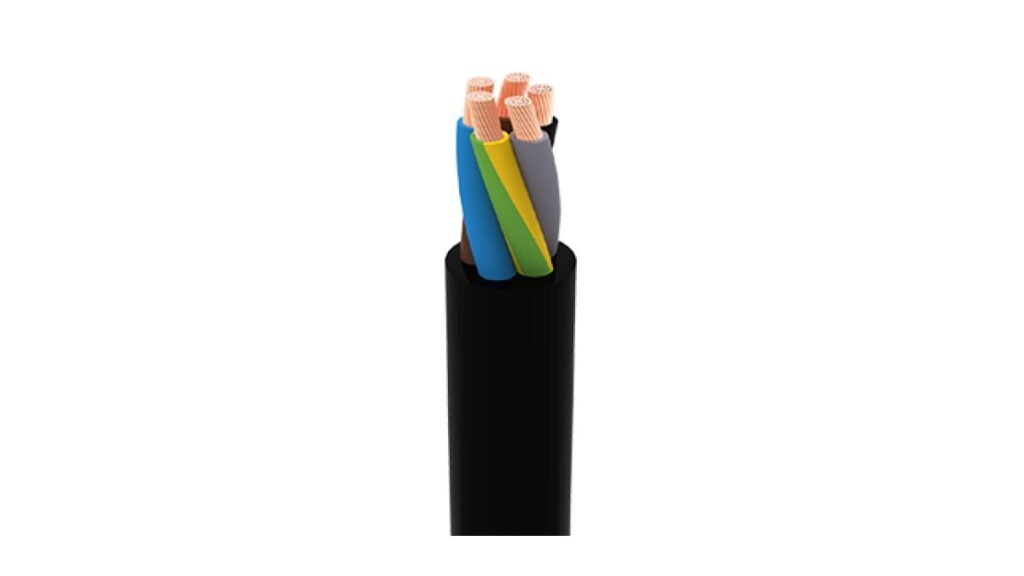
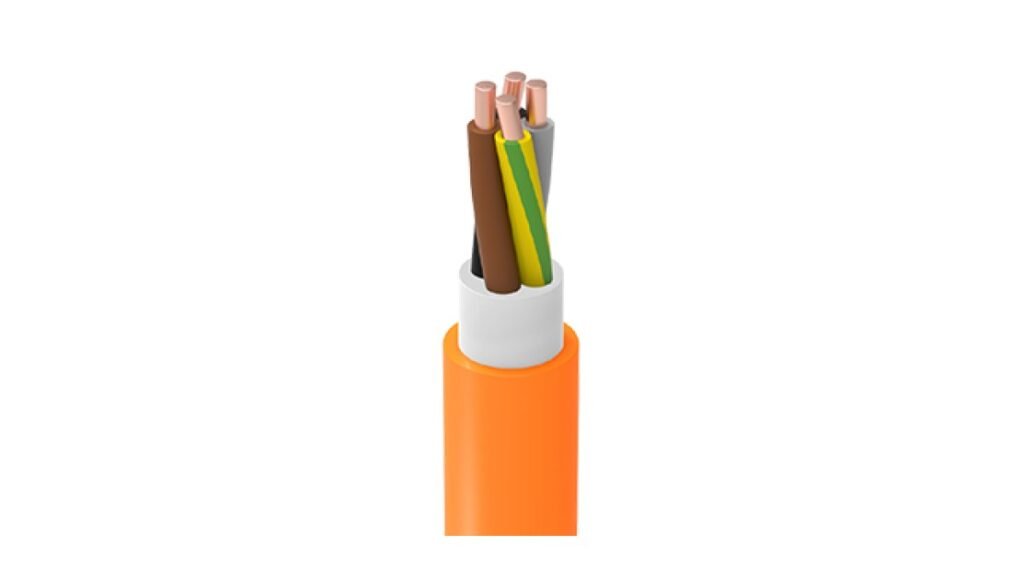
Street lighting retrofits are a good moment to inspect and replace old supply cables. For buried street lighting circuits, use low-voltage power cable suitable for direct burial or ducts and specified to the local network’s requirements.
Get a tender-ready offer
Send us your tender documents, road profiles and quantities through our quote form. We will propose luminaires with photometric files and the documentation set European tenders require. Browse our lighting range and street lighting category.
Frequently asked questions
Which standard is used for road lighting design in Europe?
The EN 13201 series defines lighting classes and performance requirements for roads, pedestrian areas and conflict zones, and is the basis for lighting calculations in most European tenders.
Which photometric file format is used in Europe?
EULUMDAT (LDT) is the common European format, and IES files are also widely accepted. Lighting design software uses these files to calculate the result for each road profile.
Why specify a Zhaga socket?
A standard socket such as Zhaga Book 18, combined with a D4i driver, allows smart control nodes to be added later without replacing the luminaire.
Products mentioned in this article
 Street Lighting
LightingRoad and public-area luminaire for municipalities, developers and infrastructure contractors.
100 W · Type II / III optics · IP66 · NEMA socket option
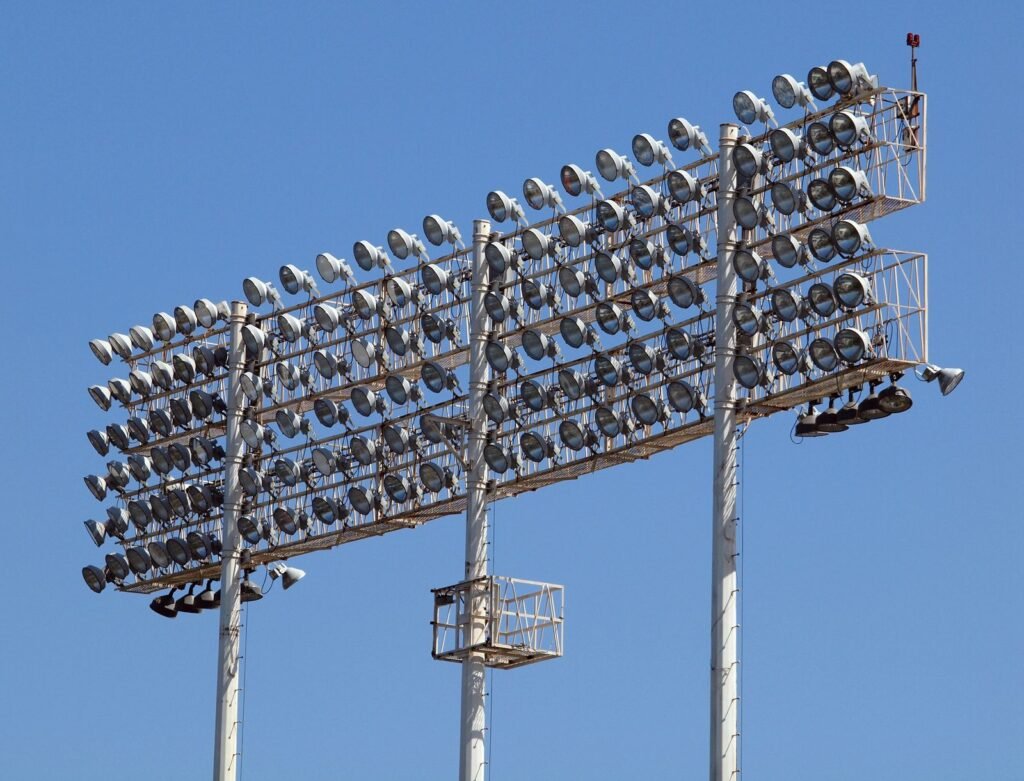 Floodlights
LightingArea and façade floodlight for yards, car parks, sports grounds and industrial perimeters.
200 W · IP66 · asymmetric & symmetric optics
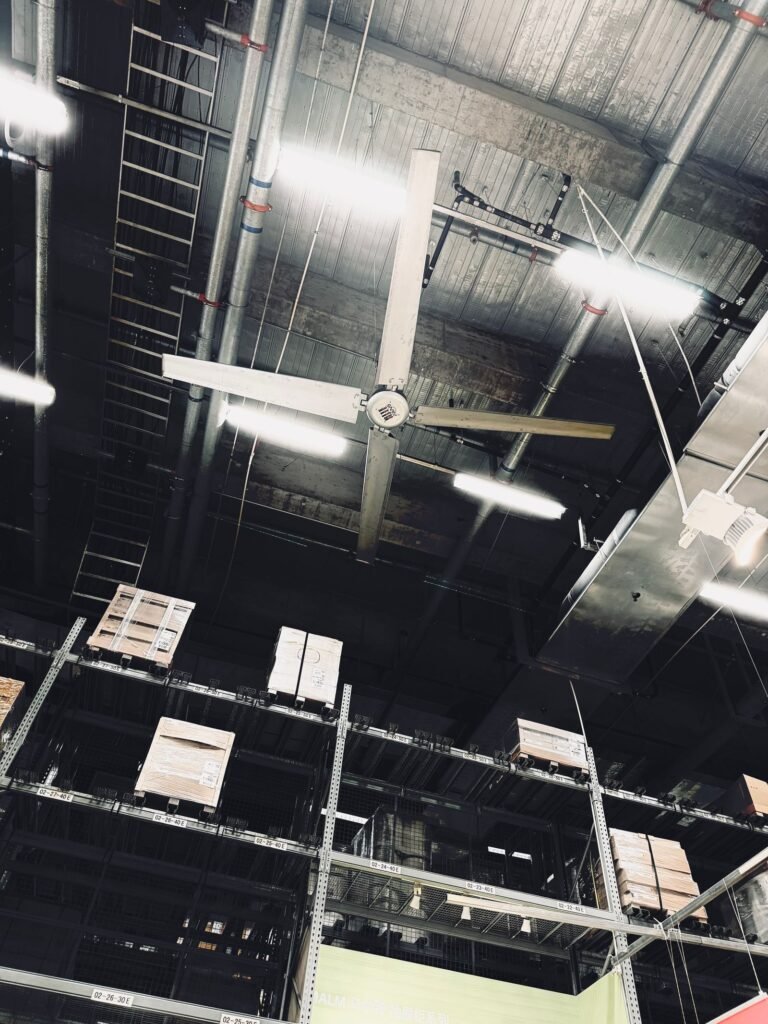 Industrial Lighting
LightingRobust UFO-style high bay for warehouses, factories and logistics centres, available with multiple optics and dimming options.
150 W · up to 160 lm/W · IP65 · 4000K / 5000K
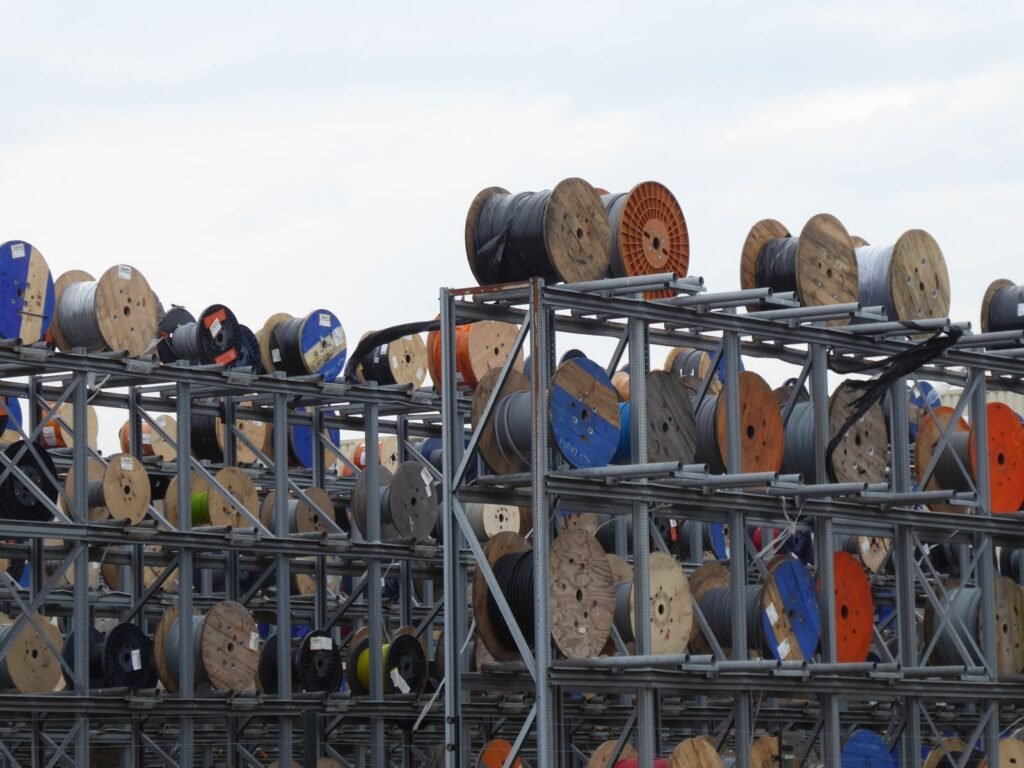 Cable Management
Electrical EquipmentPower and control cables for building services, industrial plants and infrastructure, supplied on drums.
0.6/1 kV · Cu / Al · PVC, XLPE or LSZH
Need a different size, standard or quantity? Request a quote