Supply chain disruptions in recent years have pushed many European companies to shorten their supply lines. Morocco has become one of the most discussed nearshoring options: it sits a short sea crossing from Spain, has a growing industrial base in automotive, aeronautics, cables and electrical equipment, and has a long-standing trade agreement with the EU. Wesourcia is based in Casablanca, and this article summarises what European buyers should know.
Proximity and lead times
The Strait of Gibraltar separates Morocco from Spain by little more than a dozen kilometres at its narrowest point. Goods leave Morocco by:
- Road freight (TIR trucks) via ferry to southern Spain, reaching Spain, Portugal and France in a matter of days.
- Short-sea container shipping from Tanger Med — one of the largest container ports in the Mediterranean — and from Casablanca to European ports.
- Air freight for urgent spares and samples.
Compared with long-haul sea freight from Asia, transit times are typically measured in days rather than weeks, which reduces the stock you need to hold and makes it easier to respond to project changes.
The EU–Morocco Association Agreement
Trade between the EU and Morocco is governed by the Euro-Mediterranean Association Agreement. For industrial products that meet the agreement’s rules of origin, imports into the EU can benefit from preferential (generally zero) customs duty. Key points:
- The product must qualify as originating in Morocco under the applicable rules of origin (the agreement is linked to the Pan-Euro-Mediterranean origin framework).
- Preference is claimed with a proof of origin, such as a EUR.1 movement certificate or an origin declaration made by an approved exporter.
- Products simply transhipped through Morocco from third countries do not automatically qualify.
Ask your supplier early whether a product qualifies, and get the origin documentation right — a missing or incorrect proof of origin can turn a duty-free shipment into a costly one. Rules change and depend on the product, so check with your customs broker for each tariff line.
Standards and documentation
Many Moroccan manufacturers in electrical and industrial sectors already export to Europe and work to EN and IEC standards. Still, verify the documentation as you would for any non-EU supplier: Declaration of Conformity, test reports, RoHS and REACH information, and for construction cables the CPR Declaration of Performance. Our guide to CE marking for imported equipment gives a full checklist.
Incoterms and who handles customs
For road freight to Europe, FCA (seller’s premises or a Moroccan logistics hub) and DAP (your site) are common. DDP is possible but requires the seller to act as importer in the EU, which has VAT and compliance implications. Read our article on Incoterms for industrial buyers before agreeing terms.
Carbon border rules for steel and aluminium
If you import steel or aluminium products — structures, fixings, chains, some components — check whether the EU Carbon Border Adjustment Mechanism (CBAM) applies to the tariff codes concerned. The definitive CBAM regime started in 2026, with simplified rules for small quantities. Your supplier will need to provide emissions data for the goods.
Practical advice for a first order
- Start with a clear technical specification — see how to write a sourcing brief.
- Request samples and documentation before committing to volume.
- Agree inspection points and acceptance criteria — see our pre-shipment inspection checklist.
- Clarify origin status, Incoterm and payment terms in writing.
- Plan around public holidays in both countries.
Beyond Morocco
Morocco is one of several origins we work with. Depending on the product, the best option may come from Europe, Turkey, Asia or elsewhere — we compare total landed cost, lead time and compliance, not just the unit price. Explore our sourcing and procurement services and international markets, or send us your requirement.
Frequently asked questions
Are Moroccan industrial products duty-free in the EU?
Industrial products that meet the rules of origin of the EU–Morocco Association Agreement can generally enter the EU duty-free with a valid proof of origin. Products that do not qualify as Moroccan origin pay normal duties.
How long does road freight from Morocco to Europe take?
Trucks cross by ferry to southern Spain and typically reach Spain, Portugal and France within days, depending on the route and destination.
What proof of origin is needed?
A EUR.1 movement certificate or an origin declaration by an approved exporter is typically used. Your customs broker can confirm the requirement for each product.
Products mentioned in this article
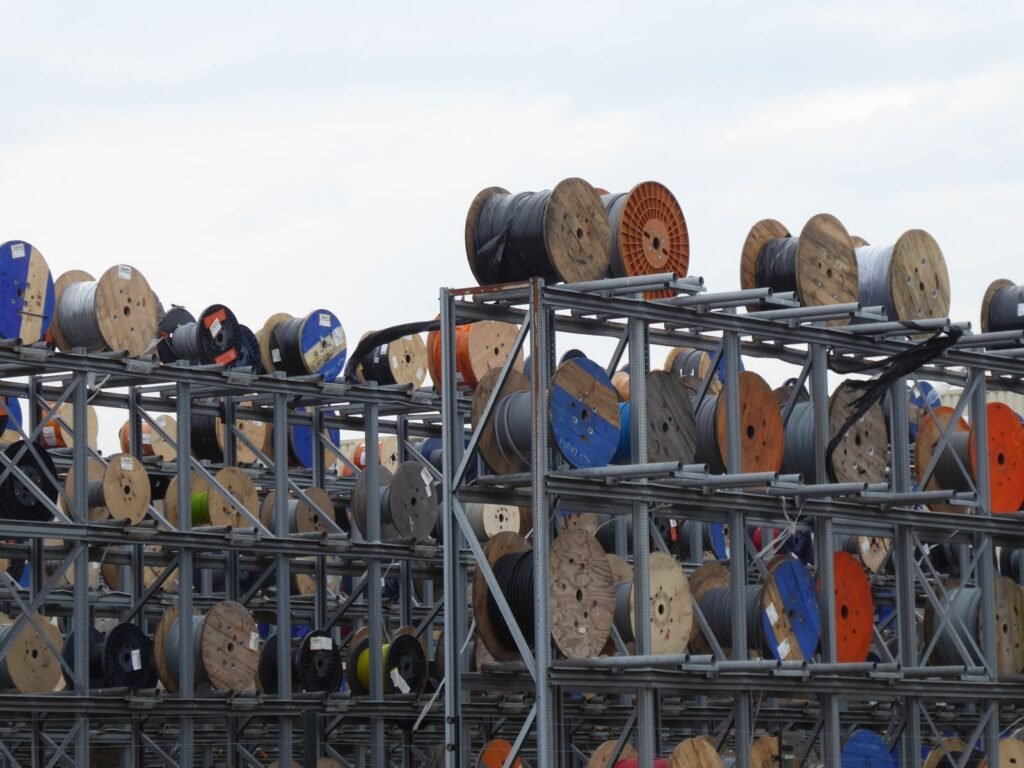 Cable Management
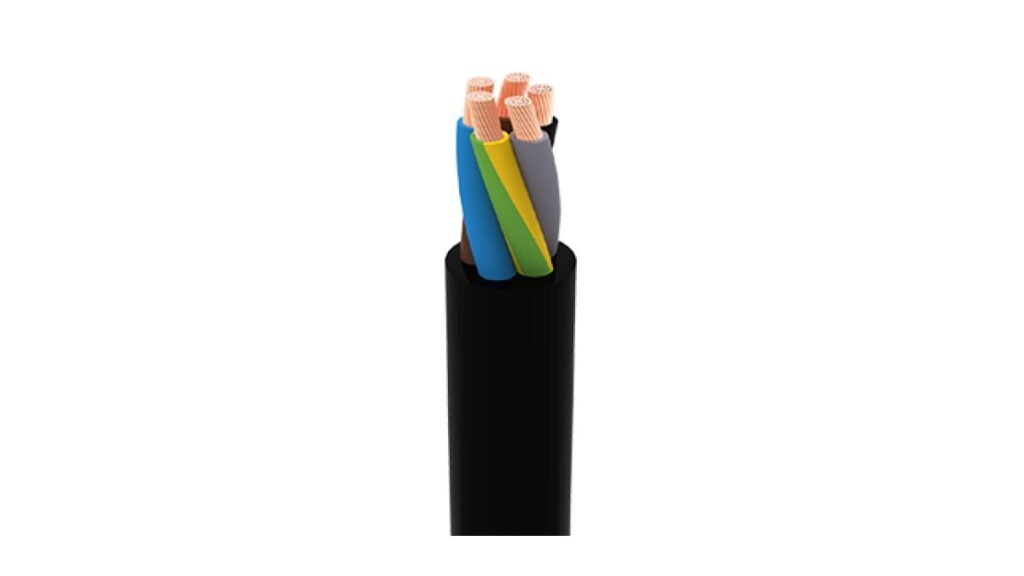
Electrical EquipmentPower and control cables for building services, industrial plants and infrastructure, supplied on drums.
0.6/1 kV · Cu / Al · PVC, XLPE or LSZH
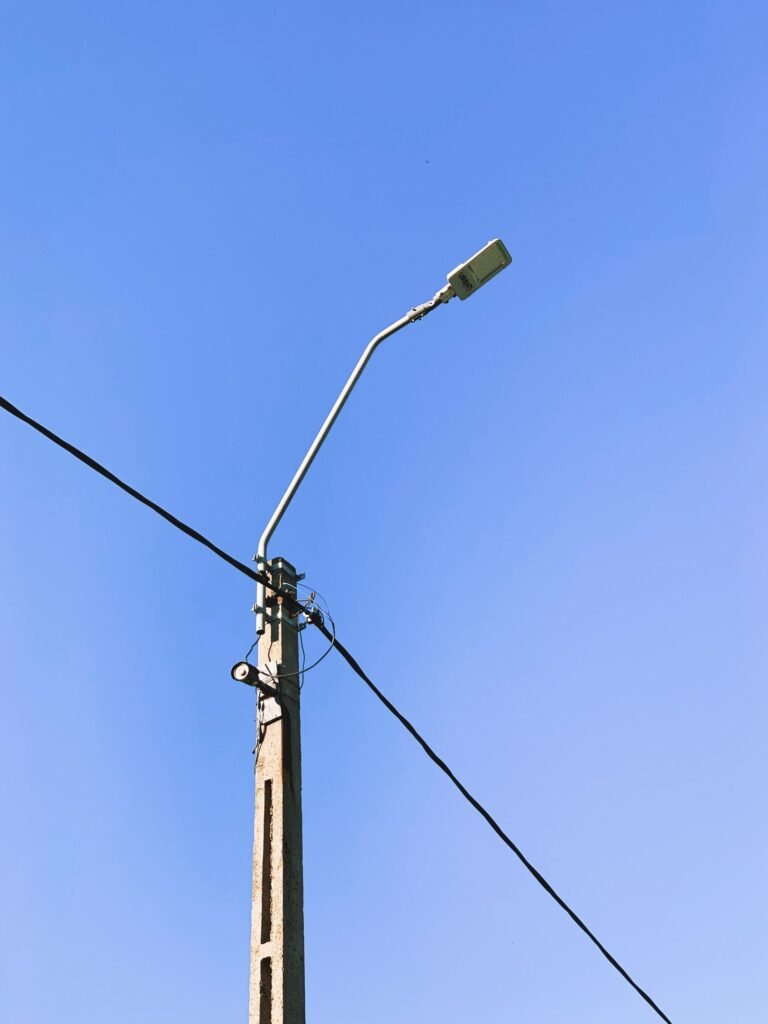 Street Lighting
LightingRoad and public-area luminaire for municipalities, developers and infrastructure contractors.
100 W · Type II / III optics · IP66 · NEMA socket option
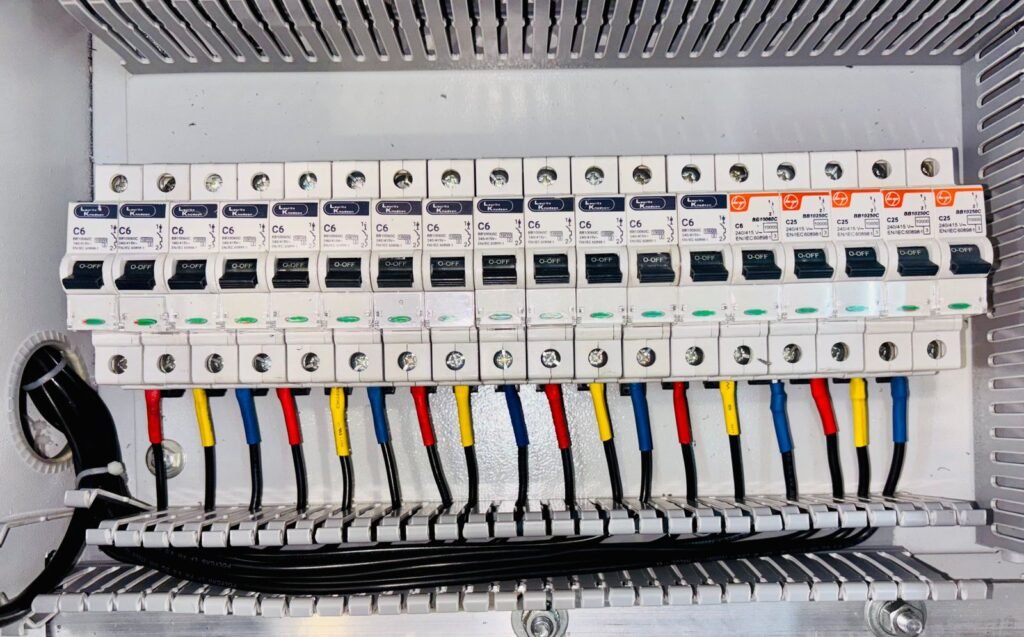 Distribution Equipment
Electrical EquipmentEnclosures for final distribution in commercial and light-industrial buildings, supplied empty or equipped.
IP40 / IP65 · flush or surface · 1–4 rows
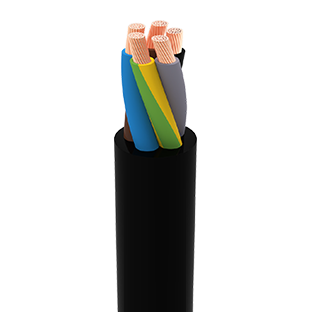 Industrial Cables
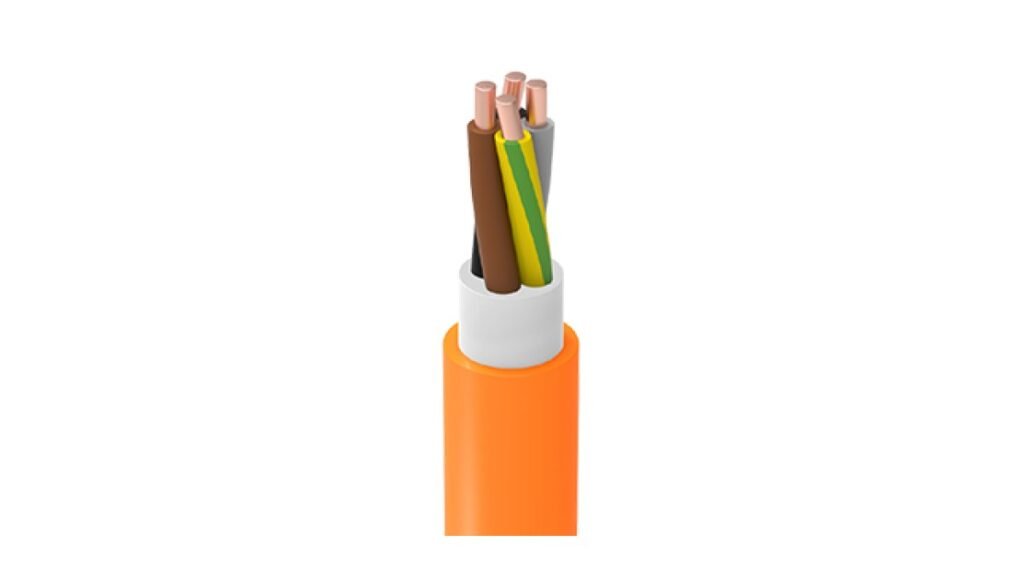
CablesThese rubber sheathed flexible cables are used as power and control cables in open-built plants, industry works, electrical tools and mobile equipments under heavy conditions and medium mechanical stress. Due…
450/750 V (U0/U) · -25°C to +60°C
Need a different size, standard or quantity? Request a quote