Overfilled silos block conveyors, burst filters and spill product; empty bins starve production lines and can let air into pneumatic systems. Point level sensors — simple devices that signal “material present” or “material absent” at a given height — are the most cost-effective protection. Choosing the right one depends on the material and the installation.
Point level versus continuous level
- Point level sensors signal when material reaches (or leaves) a specific height. They are used for high-level alarms, low-level alarms and plug detection in chutes.
- Continuous level measurement (radar, ultrasonic, weighing) gives the actual quantity in the silo for inventory management.
Most silos need at least a high-level point sensor, even if continuous measurement is installed — as an independent safety layer against overfilling.
Rotary paddle switches
A small motor turns a paddle inside the silo. When material covers the paddle, it stops rotating and the switch changes state. Rotary paddles are simple, robust and largely independent of material properties such as moisture or dielectric constant.
Capacitive sensors
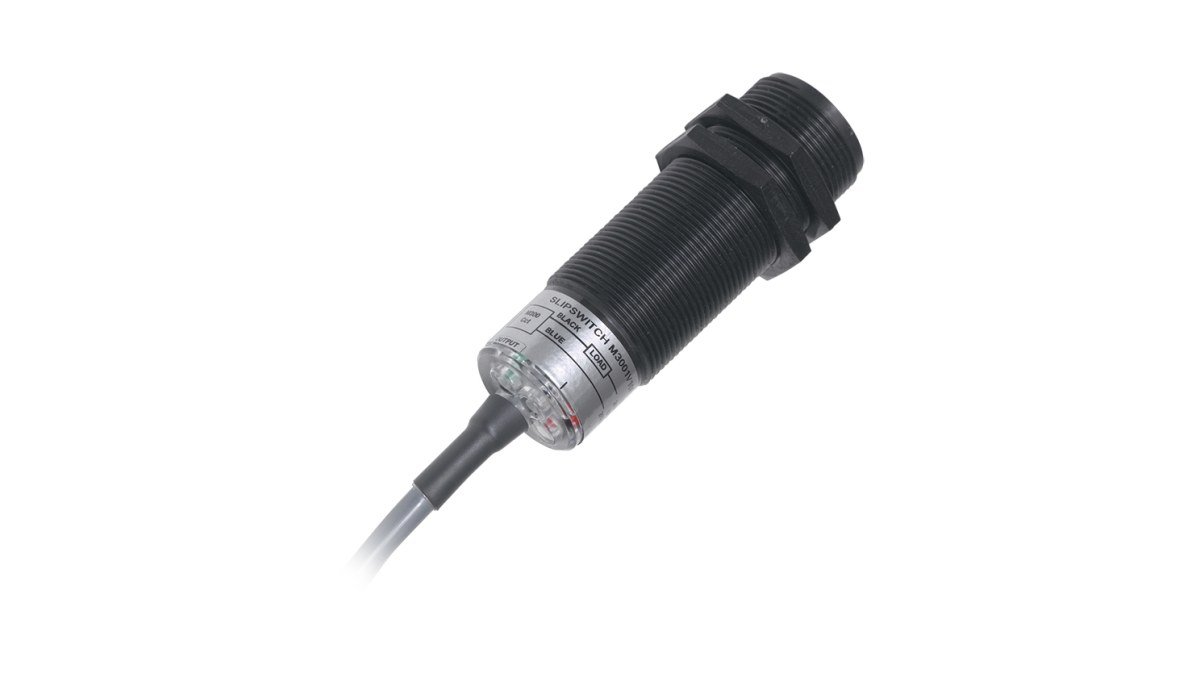
Capacitive sensors detect the change in capacitance when material covers the probe. They have no moving parts and can be very compact.
Mounting positions
- High level – in the silo roof or upper wall, away from the inlet stream so that falling material does not cause false signals.
- Low level – in the cone or lower wall, protected from the full load of material with a shield if needed.
- Plug detection – in chutes and elevator heads, where a blockage must stop the feed quickly. This is also part of bucket elevator hazard monitoring.
ATEX and dust
Silo interiors handling combustible dusts are often classified as ATEX zone 20, with zone 21 or 22 around openings. Sensors must carry the appropriate equipment category for the zone where they are installed. Check the explosion protection document before selecting.
Practical tips
- Test level sensors regularly — a failed high-level alarm is only discovered when the silo overflows.
- Choose fail-safe wiring so that a broken cable or power loss gives an alarm.
- For abrasive materials, consider shielded paddles or capacitive probes with wear-resistant sleeves.
- Keep at least one spare sensor of each type used on site.
Choose your sensors
Browse our level indicators and level controls, or send us your silo list: material, bulk density, temperature, process connection and ATEX zone.
Frequently asked questions
Do I need a high-level sensor if I already measure level continuously?
It is good practice. An independent high-level point sensor is a safety layer against overfilling if the continuous measurement fails or is misread.
Rotary paddle or capacitive sensor?
Rotary paddles are robust and largely independent of material properties. Capacitive sensors have no moving parts and suit tight spaces and plug detection, but their sensitivity must be set for the material.
Where should a high-level sensor be mounted?
In the silo roof or upper wall, away from the inlet stream, so that falling material does not trigger false alarms.
Products mentioned in this article
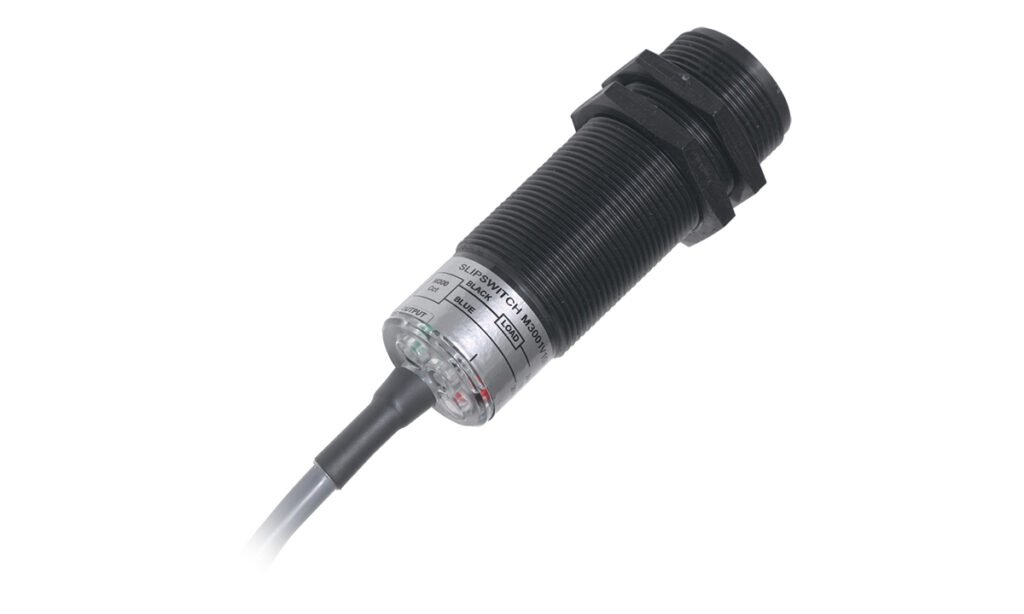 Level Indicators
Electronic Monitoring EquipmentDetects level or plug situations for bulk granular solids or liquids in tanks, bins, or silos and can be used as a plug or choke detector in chutes, conveyors and elevator legs.
Capacitance Point Level Indicator
Level IndicatorsElectronic Monitoring EquipmentDetects level or plug situations for bulk granular solids or liquids in tanks, bins, or silos and can be used as a plug or choke detector in chutes, conveyors and elevator legs.
Capacitance Point Level Indicator
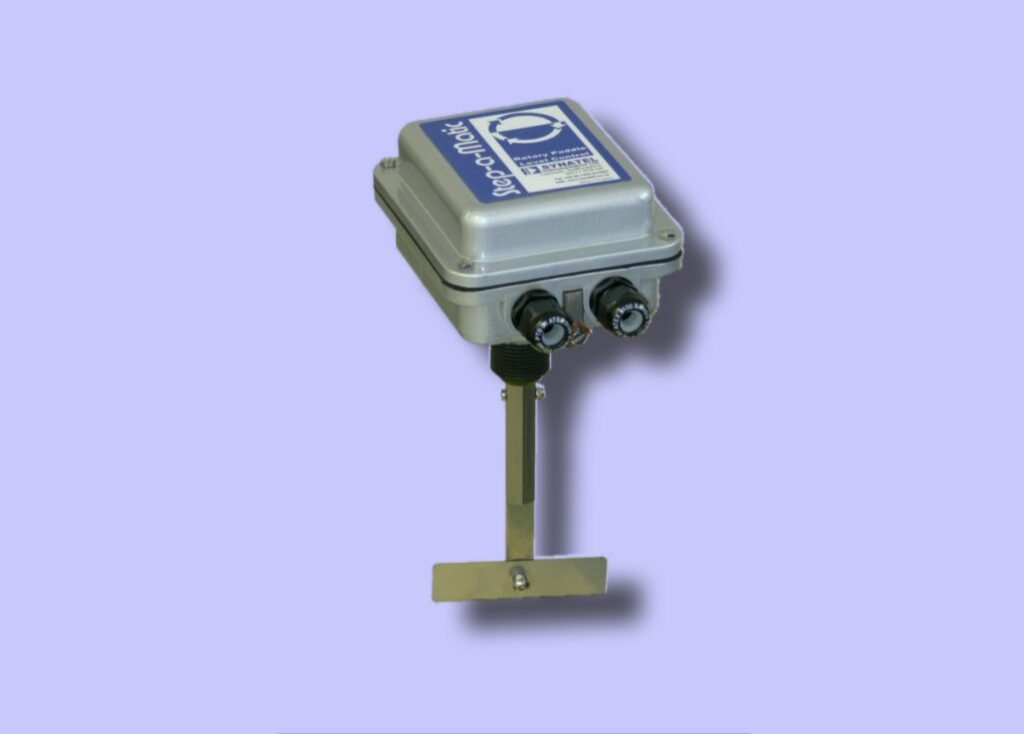 Synatel Level Controls
Synatel ProductsEquivalent 4B product: Contact 4B Following an agreement between 4B and Synatel, 4B now handles all sales, distribution and support activities for Synatel products. For sensor and level indication products, 4B Braime…
Rotary paddle level control suitable for powders & granular solids
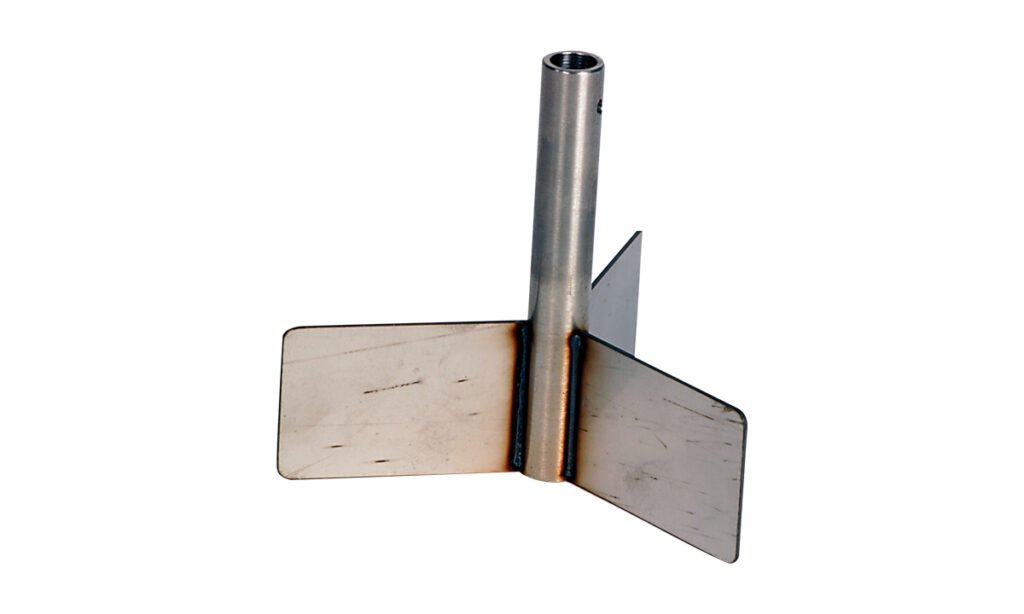 Level Sensor Accessories
Electronic Monitoring EquipmentThe RLISP3 (5 inch diameter) is designed for medium materials between 30 to 70 lbs/ ft³ (grain, beans, oil seeds, etc.). The RLISP4 (7 inch diameter) is designed for light materials under…
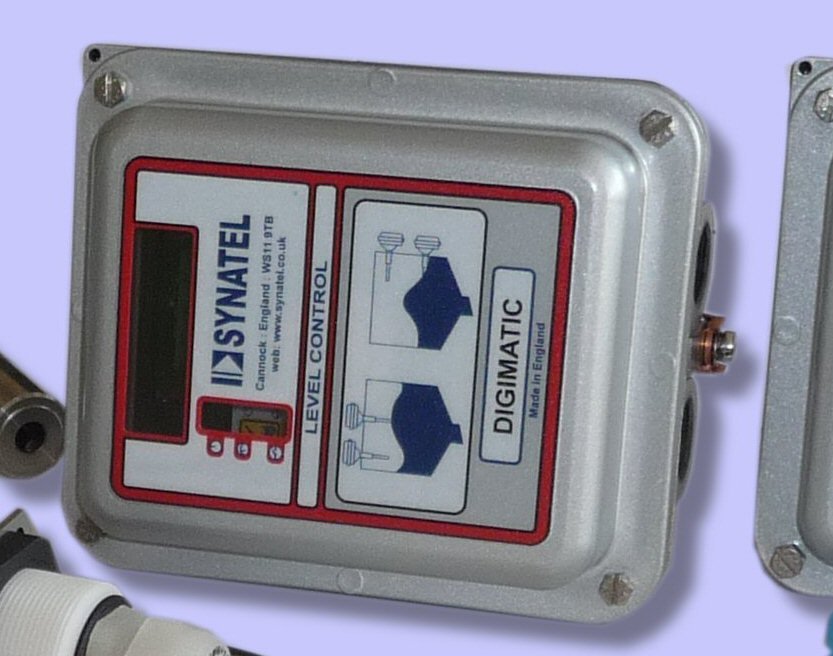 Synatel Level Controls
Synatel ProductsEquivalent 4B product: ATS8V0AI Following an agreement between 4B and Synatel, 4B now handles all sales, distribution and support activities for Synatel products. For sensor and level indication products, 4B Braime will…
ATEX EN 60079/IECEx 60079 (Dust Zone 20)
 Level Sensor Accessories
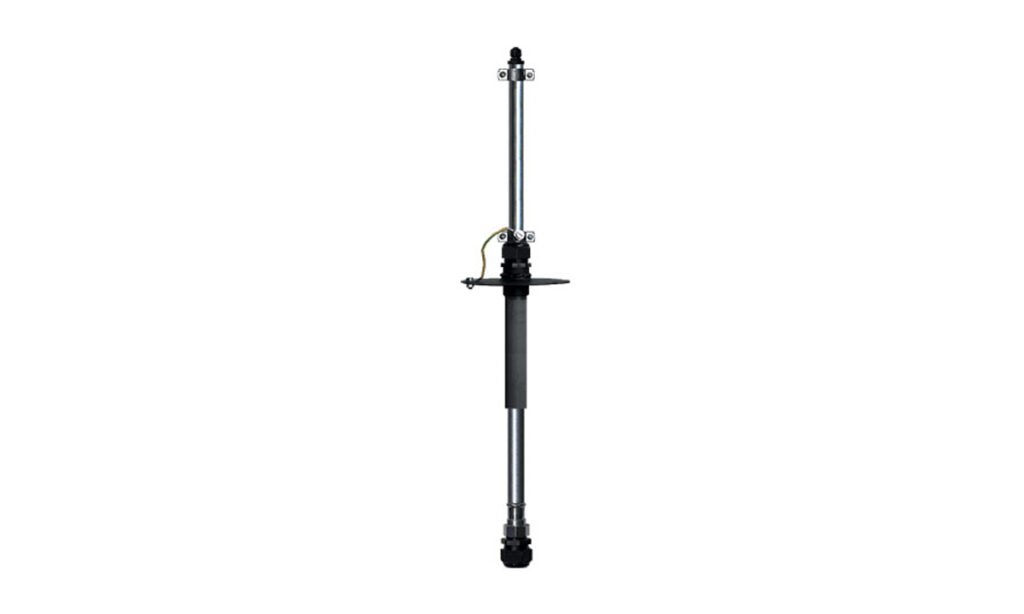
Electronic Monitoring EquipmentThe adjustable depth level kits are an ideal solution for the quick installation of capacitive level indicators in variable heights. On demand, they can be delivered with the sensor pre-installed and configured.
for capacitive sensors
Need a different size, standard or quantity? Request a quote