Offshore oil and gas platforms, drilling rigs, FPSOs and offshore wind substations need cables that survive drilling mud, hydrocarbons, salt spray and fire — while remaining halogen-free to protect people in confined spaces. In the North Sea and across many offshore projects worldwide, the reference specification is NEK 606, a Norwegian standard that has become a de facto industry requirement.
What NEK 606 covers
NEK 606 specifies halogen-free and mud-resistant cables for offshore installations and mobile offshore units. It builds on the IEC 60092 shipboard cable standards and adds requirements for:
- Mud resistance – the sheath must resist oil-based and water-based drilling fluids.
- Halogen-free, low-smoke materials – tested to IEC 60754 and IEC 61034.
- Flame retardance – to IEC 60332-3 for bunched cables.
- Fire resistance for safety circuits – to IEC 60331.
- Standardised constructions identified by datasheet codes (P1, P5, S1, S3 …).
Reading NEK 606 cable codes
NEK 606 cables are usually named with letter codes describing the construction, followed by the NEK datasheet reference. The letters commonly found are:
- R – halogen-free EPR insulation.
- B – mica/glass tape plus EPR insulation, giving fire resistance to IEC 60331.
- F – halogen-free, flame-retardant inner covering (bedding).
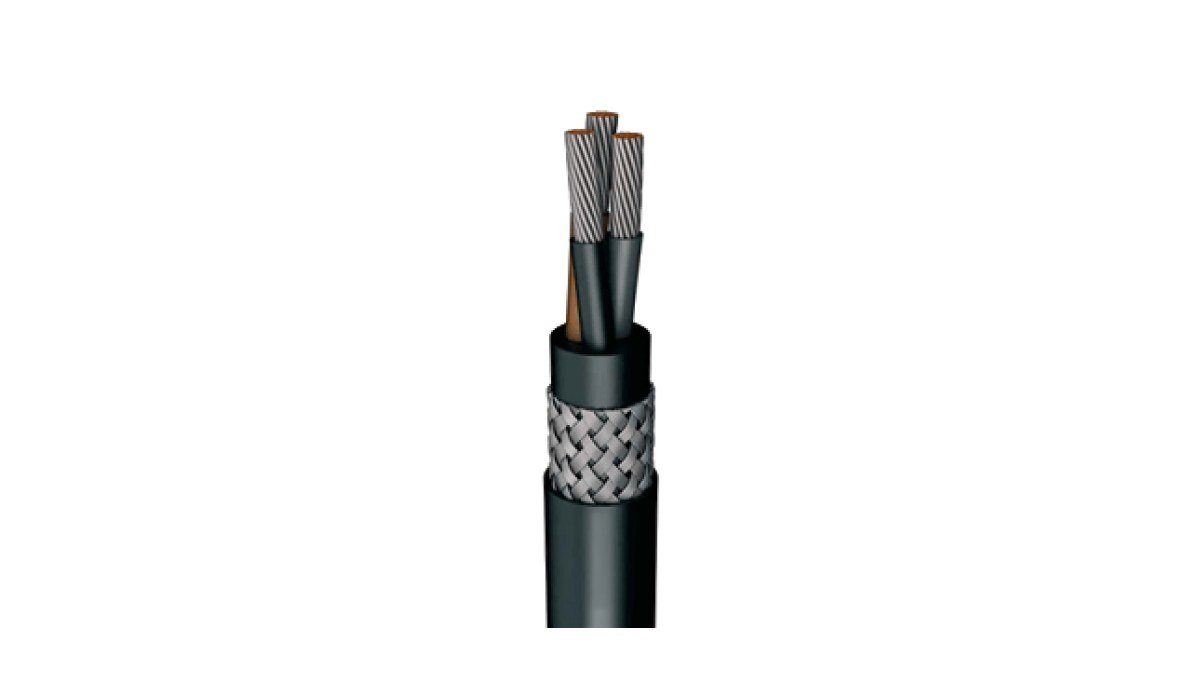
- O – overall braid (armour) of tinned copper wires.
- U – outer sheath of halogen-free, mud-resistant compound.
- C – collective screen; (I) – individual screens on pairs or triples; (i+c) – both.
So a BFOU cable is a fire-resistant (mica/EPR) cable with bedding, tinned-copper braid and a mud-resistant sheath, while BU is the fire-resistant version without bedding or braid. RFOU and RU are the equivalent flame-retardant types without fire resistance. The datasheet code (for example P5/P12 or S3/S7) points to the exact construction table in the standard. Because naming conventions vary slightly between manufacturers, always confirm the construction against the NEK 606 datasheet reference.
Power versus signal types
Browse the complete list in our offshore cable category.
Other offshore cable families
Not every project uses NEK 606. You may also see:
- BS 7917 and related British types with EPR insulation, SW4-type rubber sheaths and galvanised steel wire braid (GSWB), common in UK sector projects.
- Type P cables, widely used on drilling rigs, such as Type P power cable, armoured and sheathed.
- Standard IEC 60092 marine types for accommodation and less exposed areas — see our marine cable guide.
Checks before ordering offshore cables
- Mud resistance test report for the sheath compound, according to the requirements of NEK 606.
- Classification or type approval required by the operator or the classification society (DNV is common for North Sea units).
- Fire-resistance certificate to IEC 60331 for F-types.
- Braid material (tinned copper or galvanised steel) and whether it is used as a protective earth.
- Traceability – drum numbers, production batches and test certificates (EN 10204 3.1 documents are often requested).
- Packaging suited to offshore logistics: heavy-duty drums, end caps and lifting points.
Lead times and planning
Offshore cables are frequently made to order in specific constructions. For maintenance and modification campaigns, plan purchase orders early and group cable lists by type to reduce minimum production quantities. We can help consolidate mixed lists into a delivery schedule that matches your offshore logistics.
Get a quotation
Send your offshore cable list, including NEK 606 references, required approvals and delivery base, through our quote request form. We will return options with documentation and delivery terms.
Frequently asked questions
What does mud resistant mean for offshore cables?
It means the sheath compound keeps its mechanical properties after exposure to drilling fluids, both oil-based and water-based, according to the tests required by NEK 606. Ordinary sheaths can swell and crack when exposed to drilling mud.
Are NEK 606 cables halogen-free?
Yes. NEK 606 cables use halogen-free, low-smoke materials, which limit smoke and corrosive gases in the confined spaces of offshore installations.
What do the P and S codes mean in NEK 606?
They refer to datasheets in the standard: P codes generally cover power and control constructions, and S codes cover signal and instrumentation constructions. The code identifies the exact construction to supply.
Products mentioned in this article
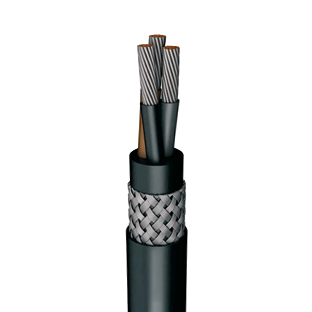 Offshore Cables
CablesUsed as fixed installation cables in various electromechanical and electronic equipments, emergency and critical systems as well as electric distribution and lightning systems.
0,6/1 kV · -15°C / + 90°C, On request -40°C /…
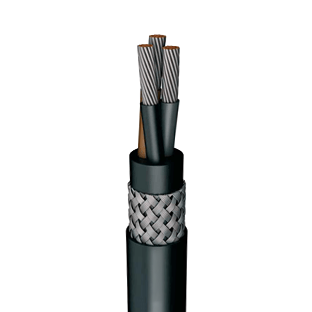 Offshore Cables
CablesFixed installation cable for power, control and lighting
0,6/1 kV · -15°C / + 90°C, On request -40°C /…
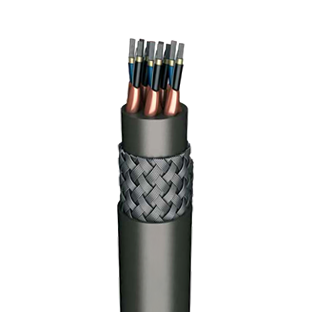 Offshore Cables
CablesFixed installation cable for signal, and communication.
250 V · -15°C / +90°C, On request -40°C / +90°C…
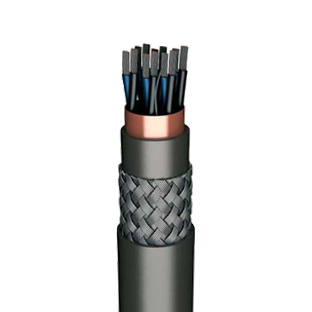 Offshore Cables
CablesFixed installation cable for signal and communication.
250 V · -15°C / +90°C, On request -40°C / +90°C…
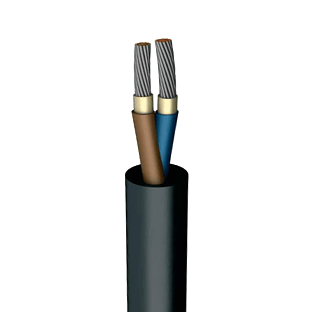 Offshore Cables
CablesUsed as fixed installation cables in various electromechanical and electronic equipments, emergency and critical systems as well as electric distribution and lightning systems.
0.6/1 kV · -15°C / +90°C, On request -40°C / +90°C…
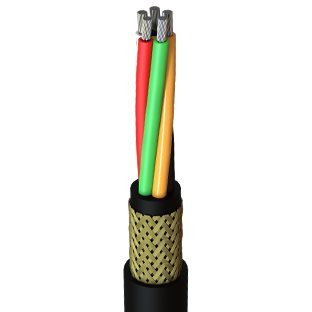 Offshore Cables
CablesThese cables are intended for use as power cables aboard ship and on off-shore oil rings. The cables are constructed in accordance with the recommended practice for marine cable for…
600/1000 V
Need a different size, standard or quantity? Request a quote