Europe is in the middle of a major rail investment cycle: new high-speed lines, the roll-out of ERTMS signalling, electrification of regional lines and renewal of ageing infrastructure. Every one of these projects needs large quantities of trackside cable — for power supply, signalling, telecommunications, lighting and point heating. This article gives buyers and contractors an overview of the main cable types and what to check.
Trackside versus rolling stock
Railway cables fall into two very different groups:
- Trackside and station cables – installed along the line, in cable troughs, ducts, tunnels and stations. They supply signals, point machines, lighting, heating and equipment rooms.
- Rolling stock cables – installed inside trains, with their own fire safety standards (such as the EN 45545 framework) and thin-wall, lightweight constructions.
This article focuses on trackside cables.
Power supply cables
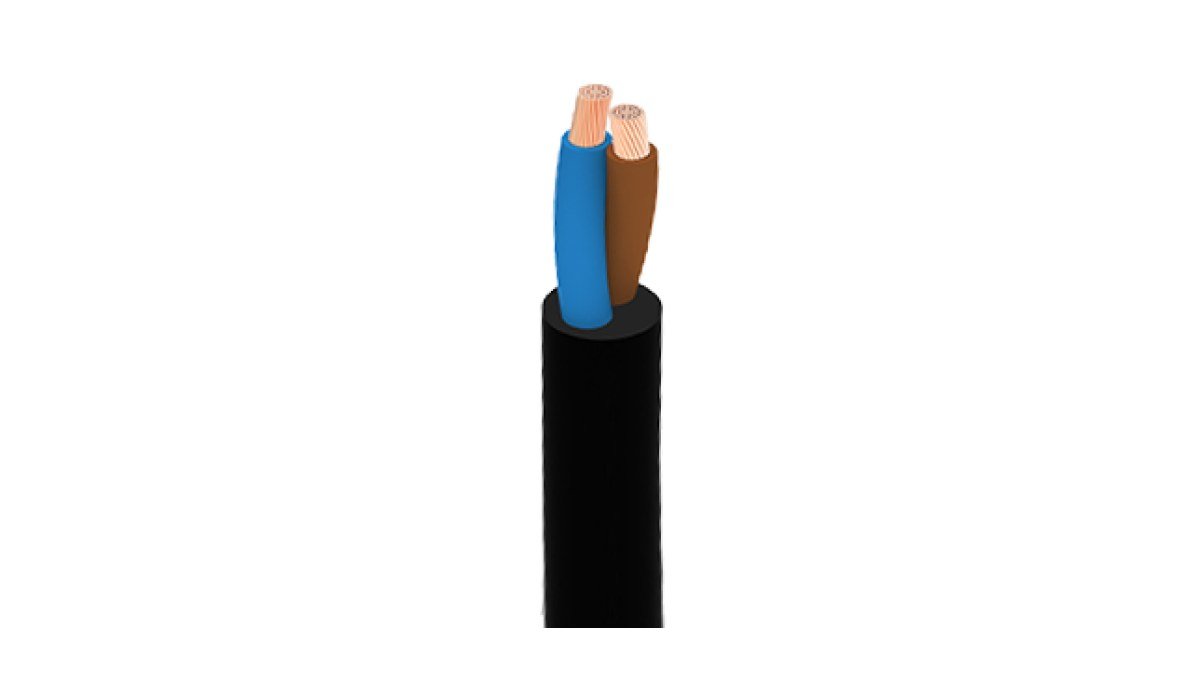
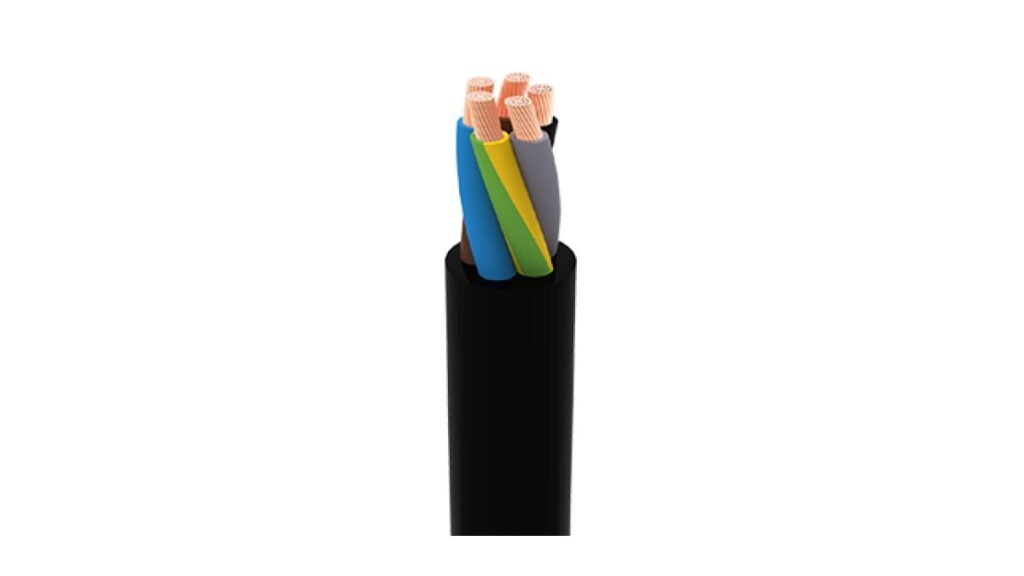
Low-voltage power cables feed signalling equipment, lighting and auxiliary systems along the line. They are often installed in concrete cable troughs or buried, and must resist mechanical stress, moisture and — near electrified lines — induced voltages. Typical options include an armoured railway power cable and a halogen-free railway power cable for tunnels, stations and enclosed areas where smoke must be limited.
Signalling cables
Signalling cables connect interlockings to signals, point machines, track circuits and axle counters. Requirements are set by each infrastructure manager, and they usually include:
- defined core counts and pair or quad constructions;
- screening and sometimes reduction factors against induced voltages from the traction supply;
- armour or rodent protection for buried routes;
- halogen-free sheaths in tunnels and stations.
See our railway signalling cable for a typical construction. Because specifications differ between networks, always share the infrastructure manager’s cable specification when you request a quotation.
Point heating cables
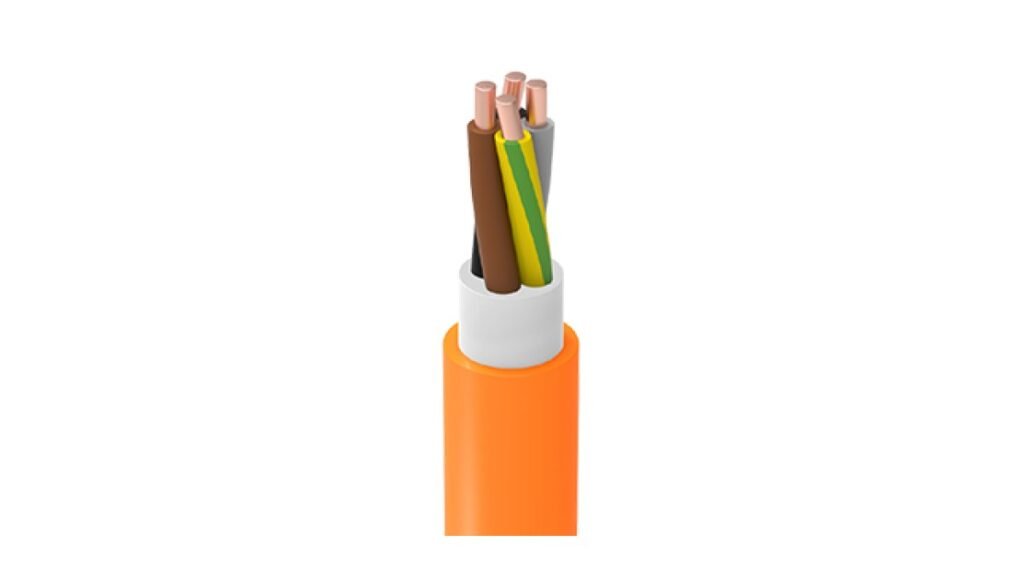
In winter, snow and ice can block railway switches (points) and stop traffic. Point heating systems use heating elements along the rails, supplied by dedicated cables from a local transformer or distribution cabinet. These supply cables must withstand vibration, weather, ballast and maintenance work. Our point heating cable and the 300/500 V version are designed for this duty, which is especially important on Nordic, Alpine and Central European networks.
Flexible and halogen-free cables around the track
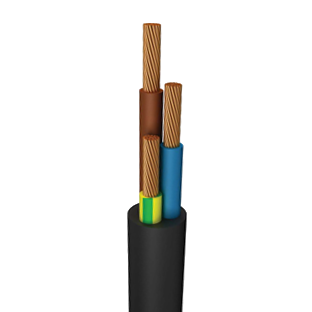
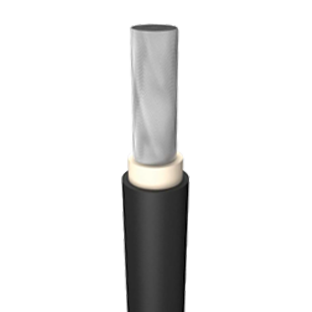
For equipment connections, maintenance supplies and areas where low smoke is required, flexible halogen-free cables such as H07ZZ-F 450/750 V are widely used. Single-core rubber cables such as (N)SGAFÖU are used for internal wiring of switchgear and rail vehicles where higher voltage ratings and flexibility are needed.
Fire safety in tunnels and stations
In underground sections and stations, fire safety requirements are strict: halogen-free and low-smoke materials, the CPR Euroclass for permanently installed cables, and fire-resistant cables for safety systems such as tunnel ventilation and emergency lighting. Our guides to halogen-free cables and fire-resistant cables explain the standards.
Approval by infrastructure managers
Many European infrastructure managers maintain lists of approved products or require product acceptance before installation. Plan for this early: the approval process can take longer than production. Ask your supplier for the test reports and references the network operator will want to see.
Buying checklist
- Infrastructure manager specification and approval status.
- Voltage, core count, pair or quad construction and cross-sections.
- Screening, armour and rodent protection requirements.
- Halogen-free and fire performance for tunnels and stations.
- Drum lengths matched to cable trough sections, to minimise joints.
- Delivery planning around possession (track closure) windows.
Railway cables from Wesourcia
Browse our railway cable range or send your project specification. For tunnel sections, see also our article on tunnelling cables.
Frequently asked questions
What is point heating?
Point heating keeps railway switches free of snow and ice by heating the rails and moving parts. Heating elements are supplied through dedicated cables from local distribution cabinets or transformers.
Do railway cables need approval from the network operator?
Many European infrastructure managers require product acceptance or keep approved product lists. Check the approval status early, because it can take longer than production.
Are halogen-free cables required in railway tunnels?
Tunnel and station specifications commonly require halogen-free, low-smoke cables, together with the appropriate CPR class and fire-resistant cables for safety systems.
Products mentioned in this article
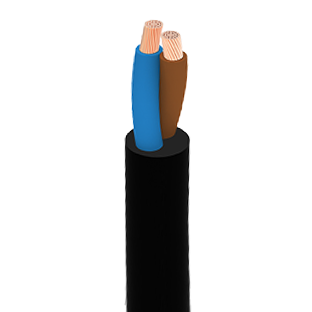 Railway Cables
CablesRailway Power Cable for railway applications. Construction: Electrolytic annealed copper conductor; XLPE; Polyethylene (PE).
06/1 kV
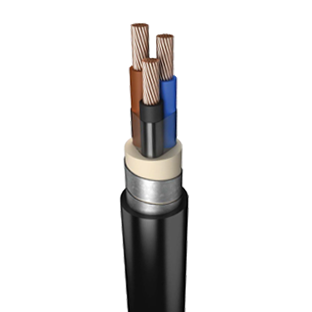 Railway Cables
CablesRailway Power Cable, Halogen-Free for railway applications. Construction: Electrolytic bare annealed copper wire; XLPE; POLYESTER TAPE SEPERATOR:; Polyethylene (PE).
06/1 kv
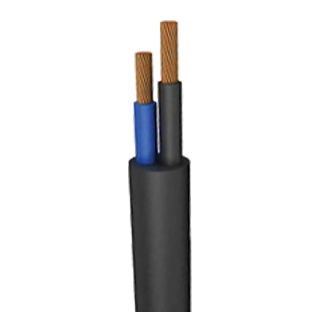 Railway Cables
CablesThese cables are designed for use in remote operation of trackside signalling system.
Sabit / Fixed : -25ºC … +85ºC
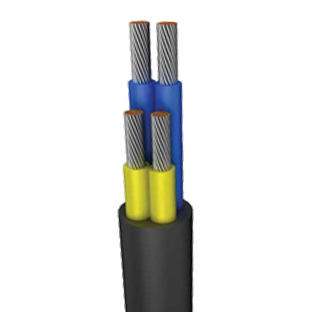 Railway Cables
CablesThese cables are designed for power distribution in points heating system
Fixed : -30ºC … +70ºC
 Railway Cables
CablesH07ZZ-F 450/750 V Railway Cable for railway applications. Construction: Electrolytic annealed, class 5 stranded plain copper wires (tinned conductor on reguest); EI8 type rubber compound; EM8 type rubber compound.
 Railway Cables
Cables(N)SGAFÖU Railway Cable for railway applications. Construction: Electrolytic annealed, dass 2 (NSGAOU) or dass 5 (NSGAF…) stranded plain copper wires (tinned conductor on reguest); 3GI3 type elastomer compound; 5GM3 iype…
Fixed -40°C… +80°C
Need a different size, standard or quantity? Request a quote