Tunnel projects for metros, rail links, motorways, hydropower and utilities are among the largest construction projects in Europe. At their heart is the tunnel boring machine (TBM) — a moving factory that can draw several megawatts of power. That power travels from the portal to the machine through medium-voltage cables that are extended as the tunnel advances, alongside data links that control and monitor the machine.
The power chain to a TBM
A typical installation includes:
- a medium-voltage supply from the portal substation, often at 10 to 20 kV;
- the tunnel cable laid along the tunnel wall, extended in sections as the machine advances;
- a cable reel or storage system on the TBM back-up, allowing the machine to advance before the next extension;
- transformers on the TBM supplying the cutterhead drives, pumps and auxiliary systems.
Cable types used
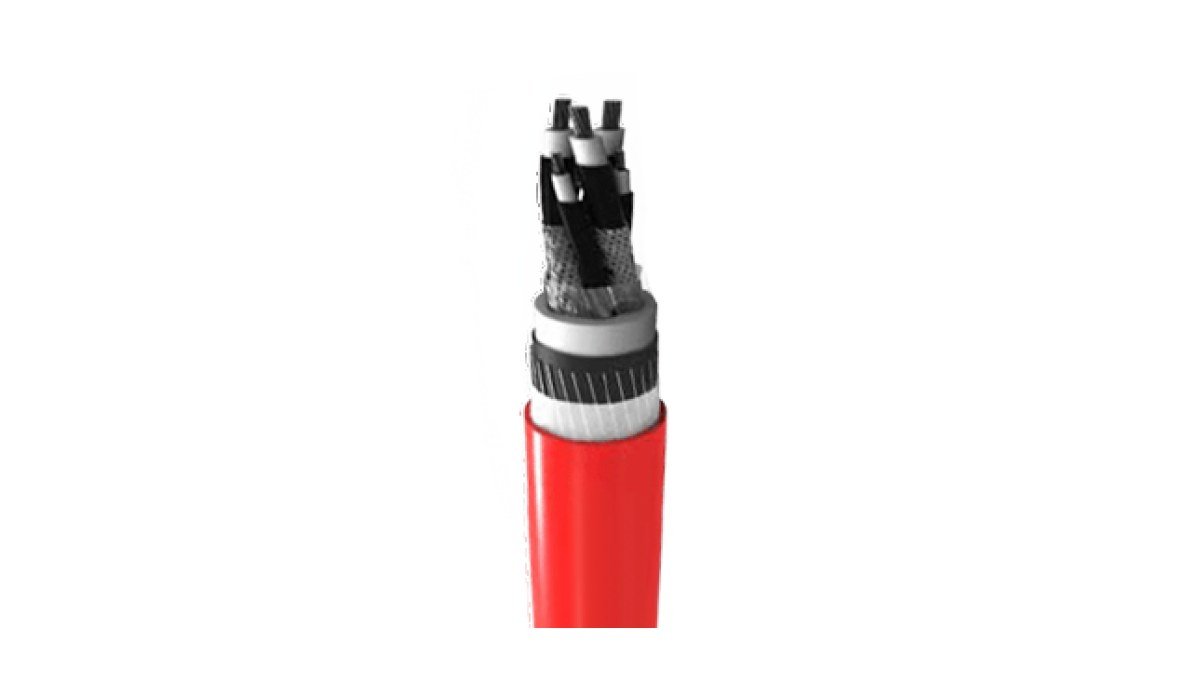
- Medium-voltage TBM cables such as (N)TSCGECWÖU – TBM, with screened cores, high flexibility and robust rubber sheaths for repeated reeling on the back-up system.
- Composite cables with fibre optics, such as (N)TSCGEWÖU – FO (LWL), combining power cores with optical fibres for machine control, video and guidance systems.
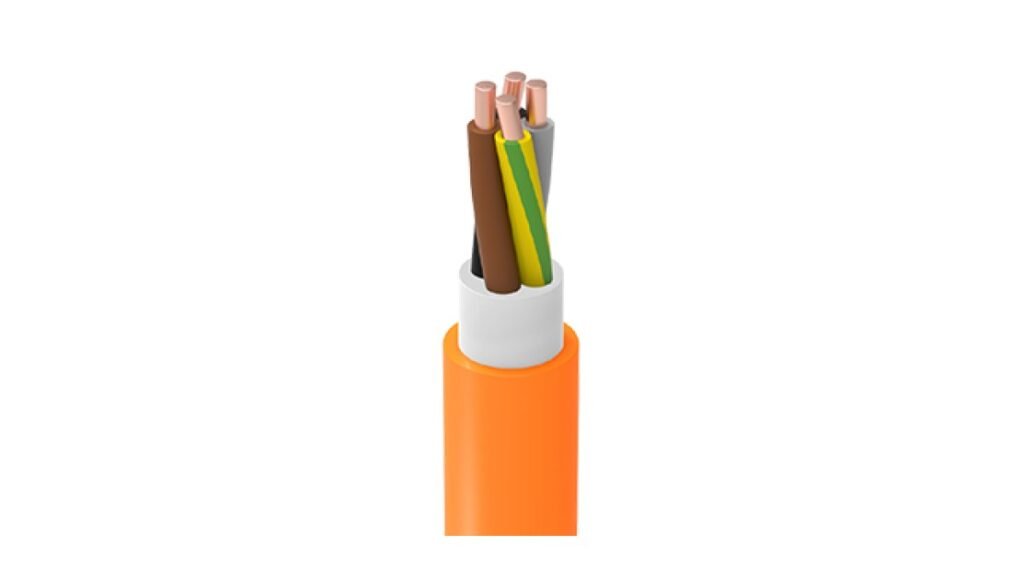
- Standard medium-voltage trailing cables such as NTSCGEWÖU for mobile equipment underground.
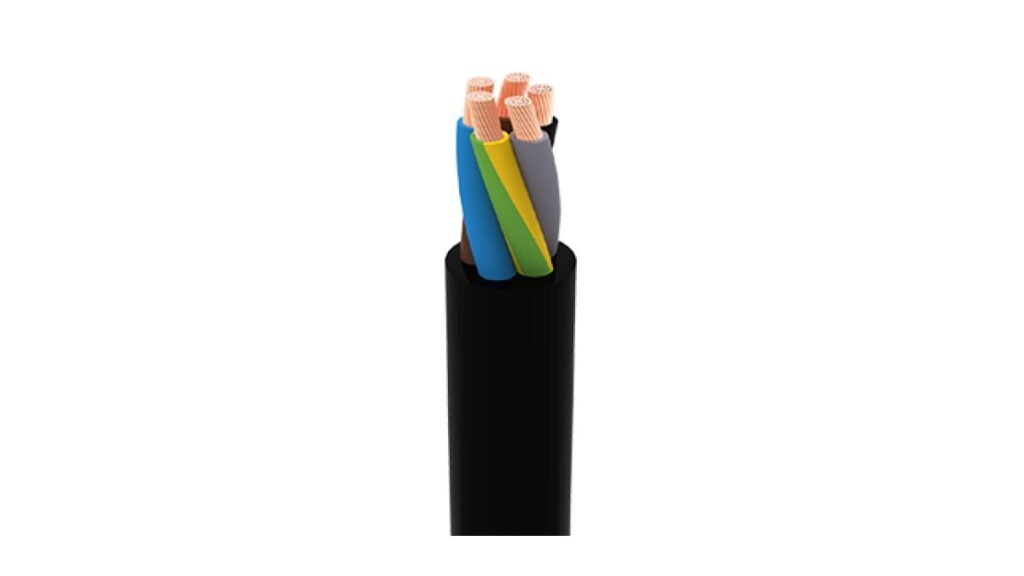
- Low-voltage heavy rubber cables like NSSHÖU for pumps, ventilation fans, lighting and site equipment.
Requirements specific to tunnels
- Mechanical robustness – cables are handled, reeled and exposed to falling rock, water and equipment traffic.
- Flame retardance and low smoke – fire is one of the main hazards underground. Many tunnel specifications require flame-retardant and, increasingly, halogen-free sheaths.
- Water and mud resistance – groundwater ingress and wet conditions are normal.
- Earth-fault and screen design – screened cores support protection systems and personnel safety.
- Length and joints – drum lengths should match the extension sequence to limit joints and couplers.
Planning cable logistics
A TBM drive can last many months. Cable consumption is predictable from the tunnel length and extension intervals, so it pays to agree a delivery schedule with call-offs rather than storing all cable on a congested site. Coordinate with the TBM supplier on the cable reel capacity, cable outer diameter and minimum bending radius, and with the electrical contractor on couplers and joints.
After the breakthrough
When the tunnel is finished, the permanent installation follows: lighting, ventilation, fire safety and communication systems. Those cables typically need halogen-free, low-smoke construction and, for safety systems, circuit integrity. Read our guides to fire-resistant cables and railway trackside cables for rail tunnels.
Related cables
Tunnelling shares many cable designs with mining. See our guide to mining trailing and reeling cables for the DIN VDE 0250 and BS 6708 families.
Request a tunnelling cable quotation
Browse our tunnelling cables and send us the TBM power data, voltage, tunnel length and extension plan through our quote form.
Frequently asked questions
What voltage does a tunnel boring machine use?
TBMs are commonly supplied with medium voltage, often in the range of 10 to 20 kV, which is transformed on the machine for the cutterhead drives and auxiliary systems. The exact value depends on the project.
Why combine power and fibre optics in one cable?
A composite cable carries power and data for machine control, video and guidance in one reeling cable, simplifying the cable handling system on the TBM back-up.
Are tunnelling cables the same as mining cables?
Many designs are shared, such as the DIN VDE 0250 medium-voltage trailing cables. Tunnel projects often add stricter fire performance requirements, such as halogen-free sheaths.
Products mentioned in this article
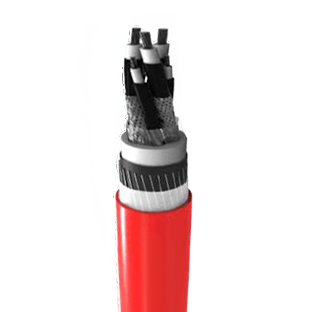 Tunnelling Cables
CablesThe cables are suitable for reeling power supply cables for TBM’s machines and in underground mines for tunnel constructions
3,6/6 kV 6/10 kV 8,7/15 kV 12/20 kV…
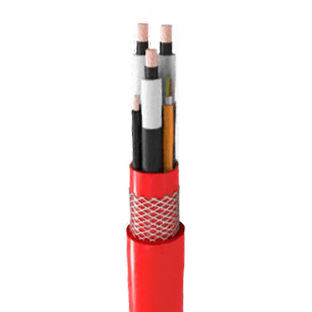 Tunnelling Cables
CablesFor the connection of electrical equipment, large material handling machines such as excavators, cranes, dumpers in mining and tunnelling applications in combination of power and data transmission. The flexible cable…
3,6/6 kV 6/10 kV 8,7/15 kV 12/20 kV…
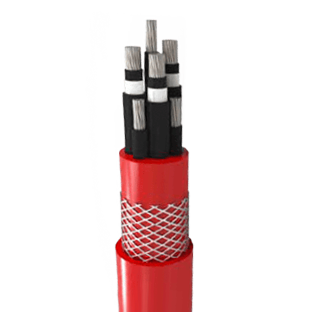 Tunnelling Cables
CablesFor the connection of electrical equipment, large material handling machines such as excavators, cranes, dumpers in mining and tunelling applications. The flexible cable design allows for movement of the equipment…
3,6/6 kV 6/10 kV 8,7/15 kV 12/20 kV…
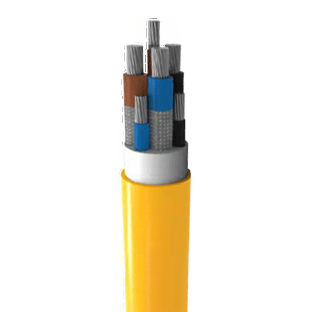 Tunnelling Cables
CablesFor use in mines, quarries, industrial areas, construction sites, agricultural operations and as trailing cable. The
0,6 / 1 kV; Max. Permissible :
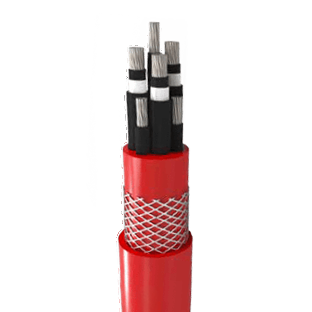 Tunnelling Cables
CablesFor the connection of mobile electrical equipment in mines and tunnels. Suitable also for coal cutting
1,8/3 kV 3,6/6 kV
Need a different size, standard or quantity? Request a quote