In a fire, the cable insulation in a building can produce more toxic, corrosive smoke than the fire load around it. Conventional PVC releases hydrogen chloride and dense black smoke, which makes evacuation harder and damages electronics far from the fire. That is why halogen-free, low-smoke cables — often called LSZH, LS0H, LSHF or HFFR — are now standard in many European public buildings, tunnels, rail vehicles and ships.
What “halogen-free” actually means
Halogens are chlorine, fluorine, bromine and iodine. PVC contains chlorine; some flame retardants contain bromine. A halogen-free compound replaces them with polymers such as polyolefins and mineral flame retardants (for example aluminium hydroxide), which release water vapour when heated. The resulting cable produces less smoke and far less corrosive gas.
The tests behind the claims
Marketing terms vary, so it is better to specify the test standards. The most common are:
In the EU, buildings additionally use the CPR Euroclasses, where smoke (s) and acidity (a) are part of the classification. Our CPR guide explains how the two systems relate.
Where halogen-free cables are required or recommended
- Public buildings with large numbers of people: hospitals, schools, airports, shopping centres.
- Tunnels, metro systems and rail vehicles.
- Data centres and control rooms, where corrosive smoke can destroy equipment.
- Ships and offshore installations, where escape is difficult.
- Escape routes in many national wiring regulations.
Common halogen-free cable types
- H05Z1-K / H07Z1-K – single-core wiring for conduits and panels.
- H05Z-K / H07Z-K – cross-linked halogen-free single cores with higher temperature rating.
- H07ZZ-F – flexible halogen-free cable for medium mechanical stress, a low-smoke alternative to H07RN-F.
- HSLCH and LIHCH – screened control and data cables.
- Marine types such as M2XH, built to IEC 60092 with halogen-free sheaths.
Trade-offs to keep in mind
Halogen-free compounds are excellent for fire safety, but they behave differently from PVC:
- They can be stiffer and need more care when pulling through conduit; use the recommended bending radius and lubricants approved for the compound.
- Oil and chemical resistance varies a lot between compounds. If the cable will be exposed to oil, ask specifically.
- Sheath abrasion resistance may be lower than polychloroprene or PUR; consider mechanical protection.
- Prices are typically higher than PVC equivalents.
How to verify a halogen-free claim
- Ask for test reports to IEC 60754-1/-2 and IEC 61034 for the specific cable type.
- Check the sheath print: reputable cables show the type designation and often the standards.
- For buildings in the EU, check the Declaration of Performance and Euroclass.
- For large orders, consider a sample test at an independent laboratory — halogen content testing is quick and inexpensive.
Sourcing halogen-free cables with Wesourcia
We supply halogen-free cables for building, transport and marine projects and provide the test documentation with every quotation. See our industrial cables and marine cables, or send your requirements including the standards and Euroclass your project specifies.
Frequently asked questions
Is LSZH the same as LS0H?
Yes, both terms describe low-smoke, zero-halogen cables. Other names include LSHF and HFFR. Because the terms are not standardised on their own, it is better to specify the test standards, such as IEC 60754 and IEC 61034.
Are halogen-free cables more expensive?
Halogen-free cables usually cost more than PVC equivalents because of their materials and processing. The difference is often small compared with the total installation cost, and they are required in many public buildings, tunnels and transport applications.
Are halogen-free cables oil resistant?
It depends on the compound. Some halogen-free sheaths have limited oil resistance, while others are formulated for it. If the cable will be exposed to oil, ask for the oil resistance test data for that specific cable type.
Products mentioned in this article
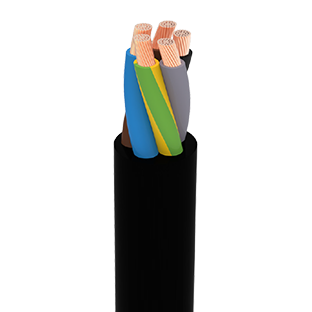 Industrial Cables
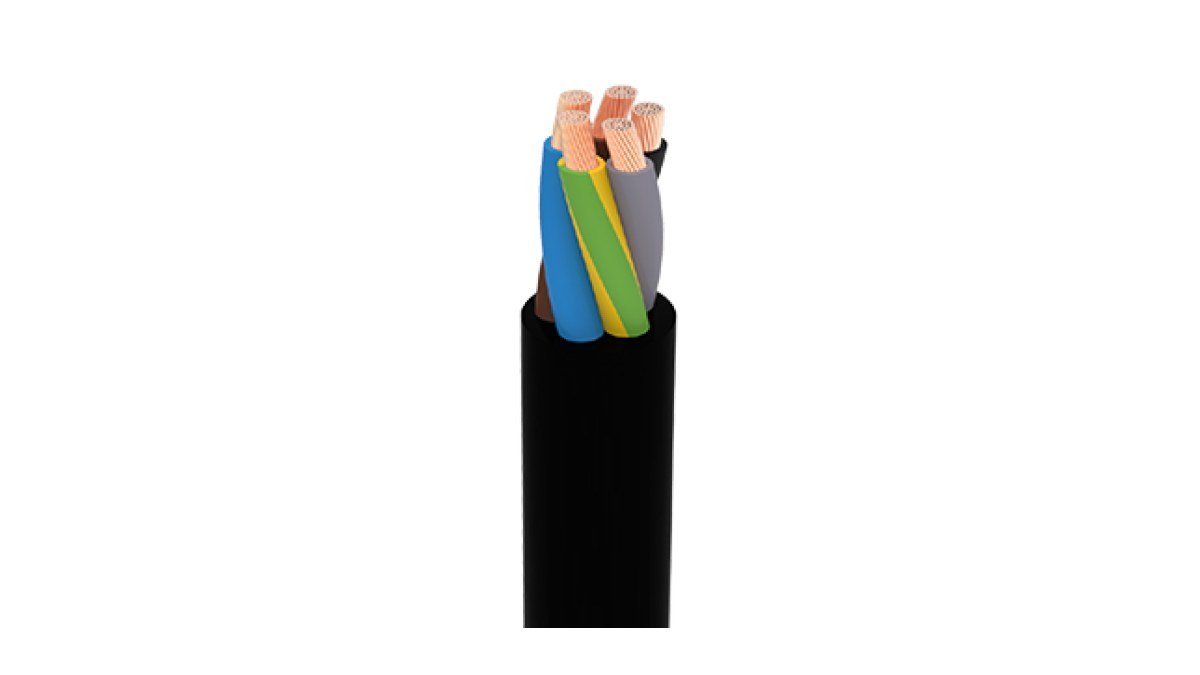
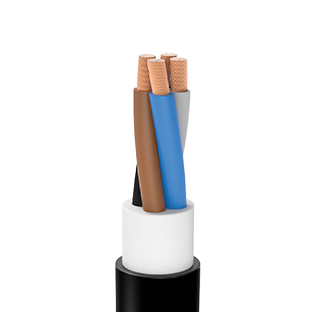
CablesThese halogen-free flexible cables are used as power and control cables temporary indoor and permanent outdoor apllications. It consist low grade smoke and corrosive gases and suitable to use for…
450/750 V (U0/U)
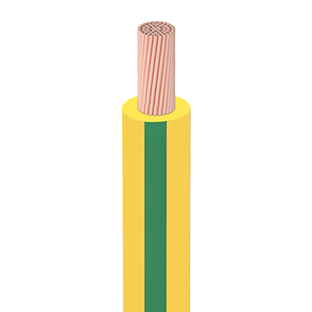 Industrial Cables
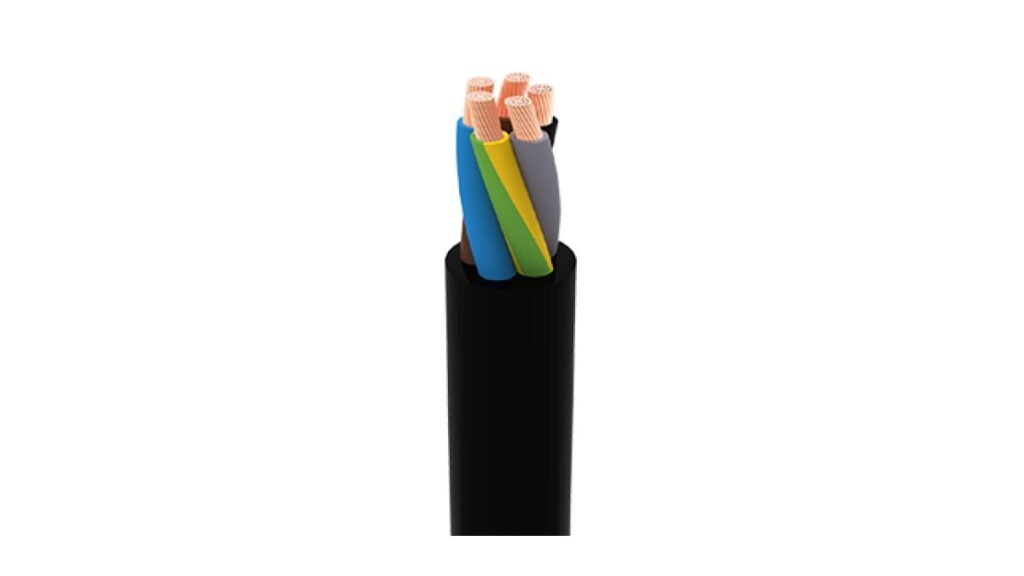
CablesThey are used as installation cables in distribution boards, switchboards and various appliances in closed areas when higher safety required in case of fire. They can be used on and…
H05Z1-K – 300/500V I H07Z1-K 450/750 V · -30°C to +70°C
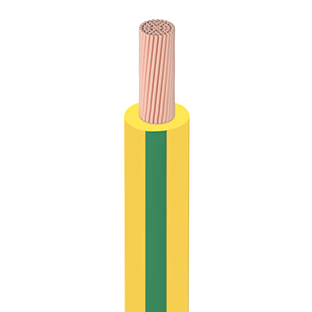 Industrial Cables
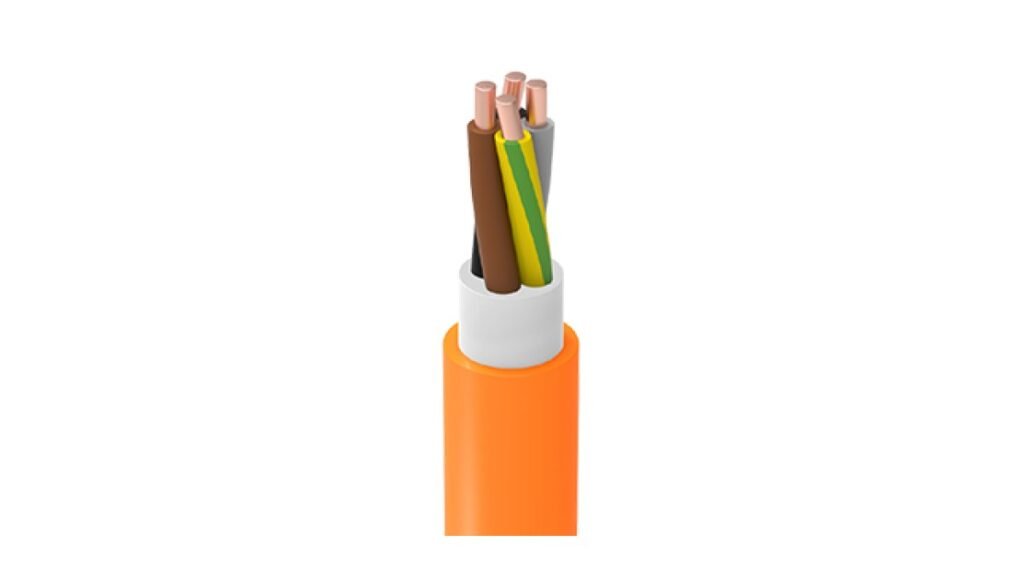
CablesThese halogen-free cables are used in internal installations only in dry and clean environments. Due to it’s characteristics they are flame retardant and self extingushing and produce no corrosive gases.
H05Z-K 300/500V – H07Z-K 450/750V (U0/U) · -40°C to +90°C
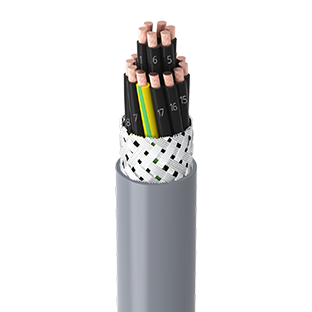 Industrial Cables
CablesThese cables are used for control, measuring and monitoring in engineering projects and various electronic systems in closed areas where electromagnetic disturbances exists and when higher safety required in case…
300/500 V (U0/U) · -5°C to +70°C
 Marine Cables
CablesUsed as fixed installation cables in various electromechanical and electronic equipments of marine vehicles, in most areas & on open deck in ships.
0,6 / 1 kV · -40°C / + 90°C
Need a different size, standard or quantity? Request a quote