Grain, flour, sugar, starch, feed, wood dust and many chemicals form explosive clouds when finely divided in air. Bucket elevators are one of the places where these clouds are most likely to meet an ignition source: they combine a dust-laden enclosed casing with moving belts, rotating pulleys and bearings. Many of the serious dust explosions in agricultural and food plants have started in or spread through bucket elevators.
Where the ignition sources come from
Most bucket elevator ignitions are caused by mechanical faults that generate heat or sparks:
- Belt misalignment – the belt or buckets rub against the casing, generating frictional heat.
- Belt slip – an overloaded or plugged elevator lets the head pulley spin under a slipping belt, heating the lagging and belt.
- Hot bearings – failing bearings on head and boot shafts can reach ignition temperatures.
- Plugged legs – material backs up in the boot or head, increasing load and friction.
- Tramp metal – foreign objects entering the elevator can create sparks; magnetic separation upstream helps.
The ATEX framework in Europe
Two EU directives set the rules:
- Directive 1999/92/EC (“ATEX workplace” directive) requires employers to assess explosion risks, classify hazardous areas into zones (20, 21 and 22 for dust) and take technical and organisational measures. National laws implement it.
- Directive 2014/34/EU (“ATEX equipment” directive) sets the requirements for equipment and protective systems intended for use in potentially explosive atmospheres, including the equipment categories (1D, 2D, 3D) suitable for each zone.
Inside a bucket elevator casing, dust can be present frequently, and the zone classification of the inside and surroundings determines what equipment category is required for sensors and other devices installed there. Your explosion protection document should define this.
What a hazard monitoring system watches
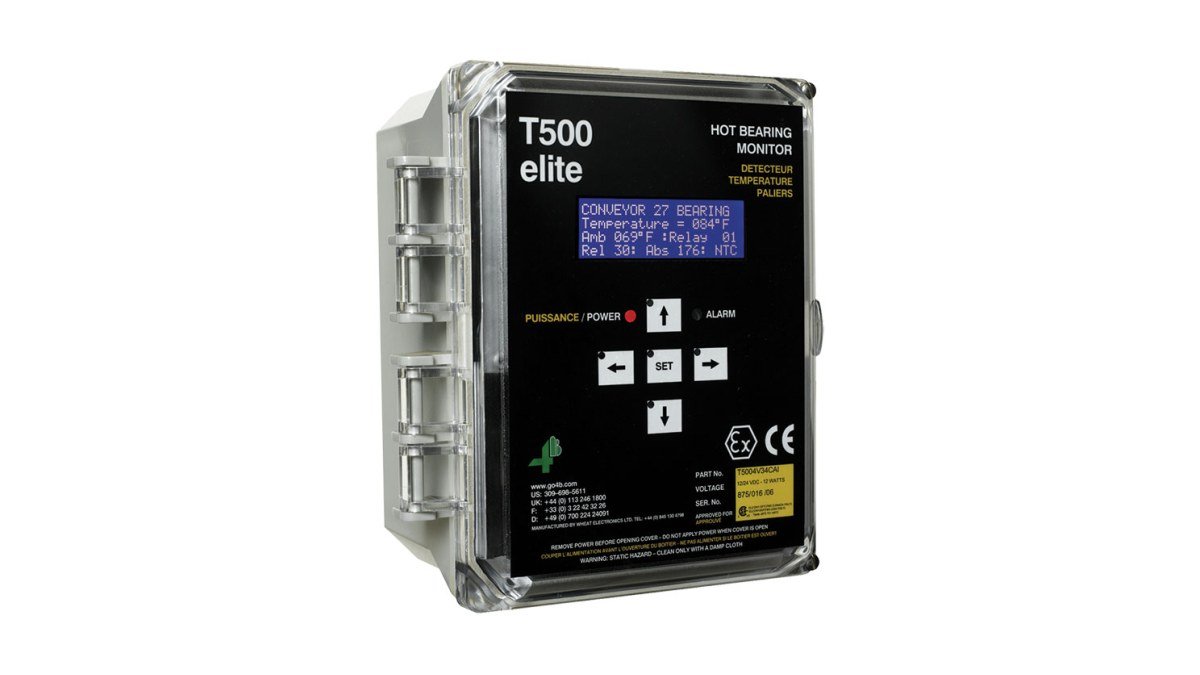
The sensors connect to a hazard monitoring unit — such as the Watchdog Super Elite or a networked system like the T500 Elite Hotbus — that raises alarms and stops the elevator and upstream feed before a fault turns into an ignition source.
Designing a monitoring scheme
- Risk assessment first – use your explosion protection document to decide what must be monitored.
- Sensors at both ends – misalignment is monitored at head and boot, on both sides of the belt.
- Interlock the feed – an alarm should stop the feed conveyor as well as the elevator, to prevent plugging.
- Certified equipment – choose sensors certified for the ATEX zone in which they are installed.
- Test and record – regular functional testing of every sensor, with records kept for inspection and insurers.
Monitoring is one layer of protection
Hazard monitoring prevents ignition sources. It works together with other measures: good housekeeping to limit dust deposits, fire-resistant and antistatic belts (see our belt selection guide), proper earthing, and explosion protection measures such as venting, suppression or isolation where the risk assessment requires them.
Retrofitting existing elevators
Many older elevators in Europe were installed without monitoring. Retrofitting sensors and a hazard monitor is relatively quick and is often requested by insurers after an audit. We can help you select a complete kit — sensors, mounting hardware, cables and control unit — for each elevator.
Get advice and a quotation
Browse our hazard monitors, speed switches, alignment sensors and bearing temperature sensors (4B products), or send us your elevator list with the ATEX zone classification.
Frequently asked questions
Is hazard monitoring mandatory for bucket elevators?
EU law requires employers to assess explosion risks and take appropriate measures under the ATEX workplace directive. Hazard monitoring is a common and widely recommended measure, and insurers frequently require it for elevators handling combustible dust.
What should a bucket elevator hazard monitor watch?
Typically belt speed and slip, belt alignment at head and boot, bearing temperatures and plug conditions. The monitor raises alarms and shuts down the elevator and feed when a fault occurs.
Which ATEX category must the sensors have?
The required equipment category depends on the zone where each sensor is installed, as defined in the plant’s explosion protection document. Category 1D equipment suits zone 20, 2D zone 21 and 3D zone 22.
Products mentioned in this article
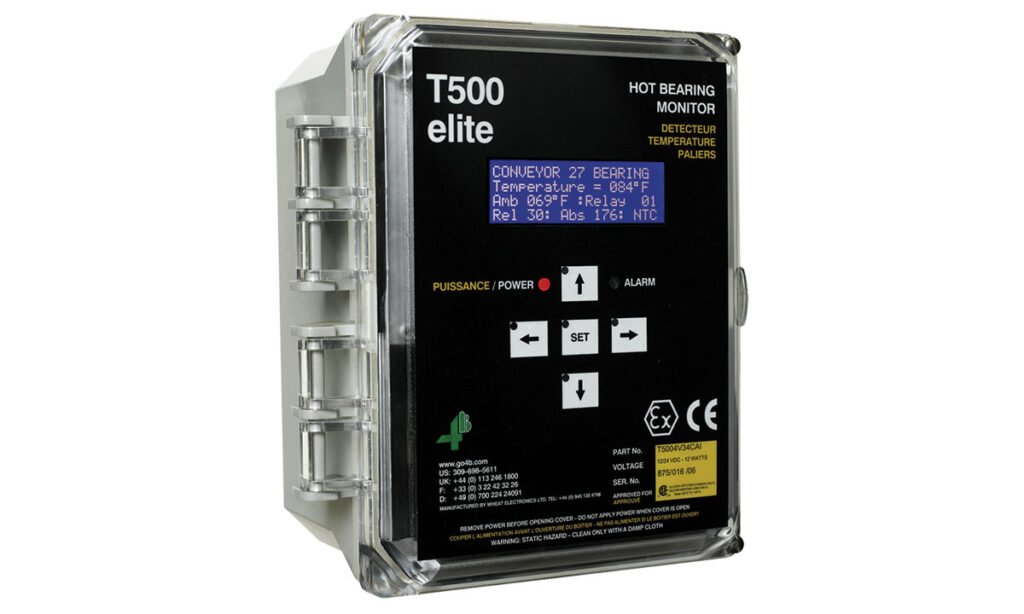 Hazard Monitors
Electronic Monitoring EquipmentThis product is obsolete. Please use the IE-GuardFlex + IE-Node for all new projects.The T500 Elite Hotbus™ is a serial communications system designed to monitor up to 256 sensors for combined belt…
Bucket Elevator & Conveyor Monitoring System
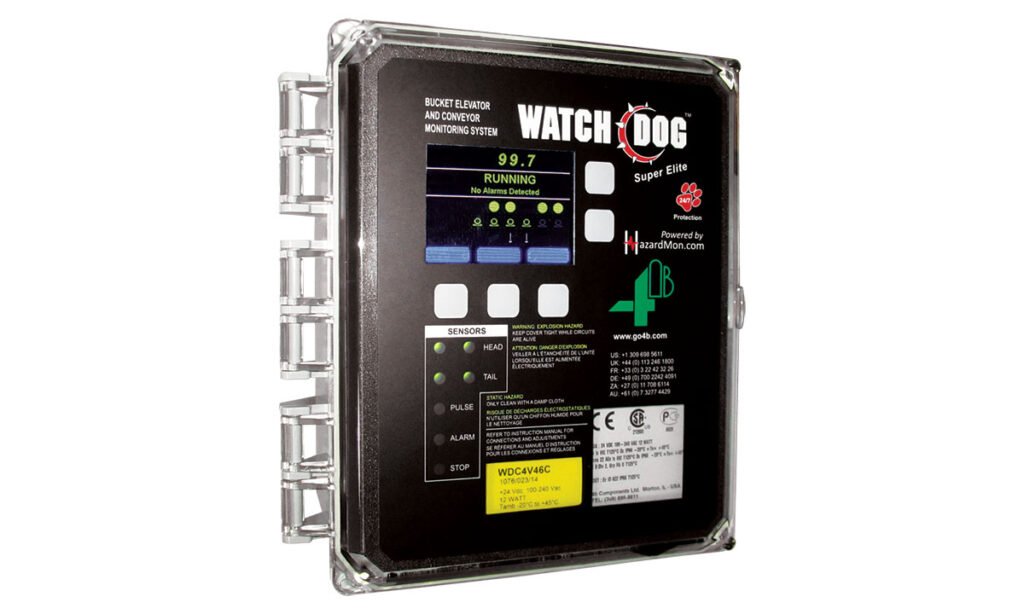 Hazard Monitors
Electronic Monitoring EquipmentThe Watchdog Super Elite (WDC4) is easy to install and simple to set-up. The system processes signals from sensors for belt misalignment, belt speed & slip, continuous bearing temperature, pulley misalignment and…
Bucket Elevator & Conveyor Hazard Monitor
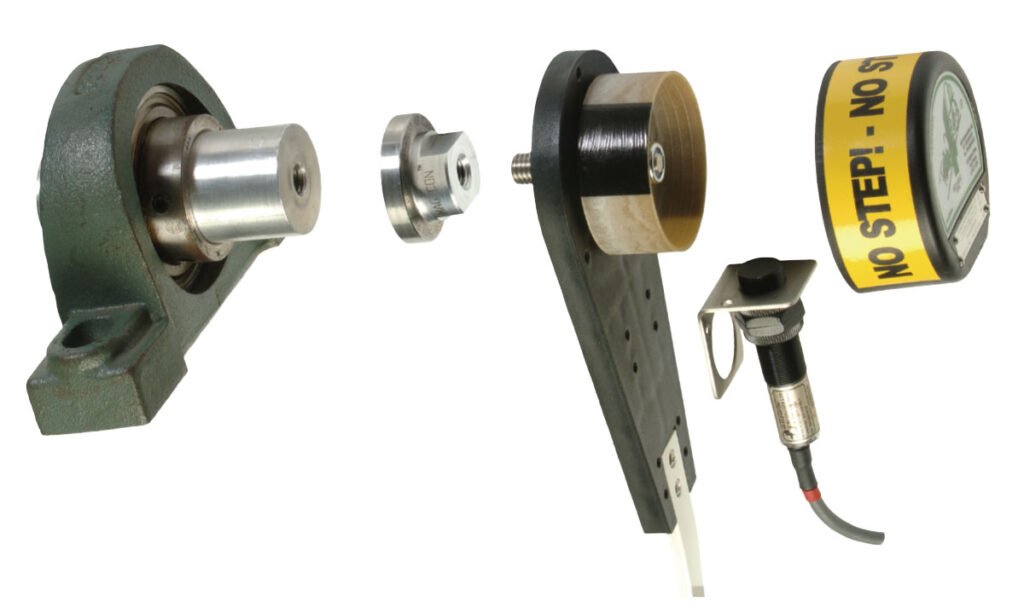 Speed Switches & Encoders
Electronic Monitoring EquipmentThe Whirligig® is a fully guarded target for easy mounting of motion sensors. It is a universal shaft sensor mount suitable for all industry standard cylindrical or DIN style inductive sensors including…
Universal Shaft Sensor Mount
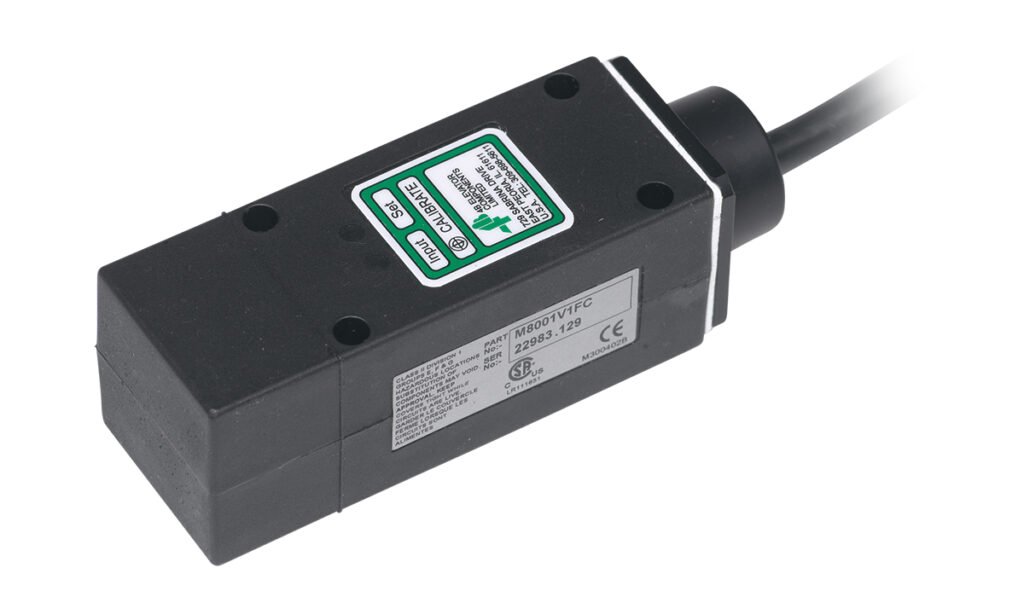 Speed Switches & Encoders
Electronic Monitoring EquipmentThe M800 Elite Speed Switch is designed to detect belt slip, belt underspeed, stop motion, low speed or zero speed on bucket elevators, conveyors, airlocks, mixers, fans, grinders and many other rotating…
Inductive Speed Switch Sensor
 Alignment Sensors
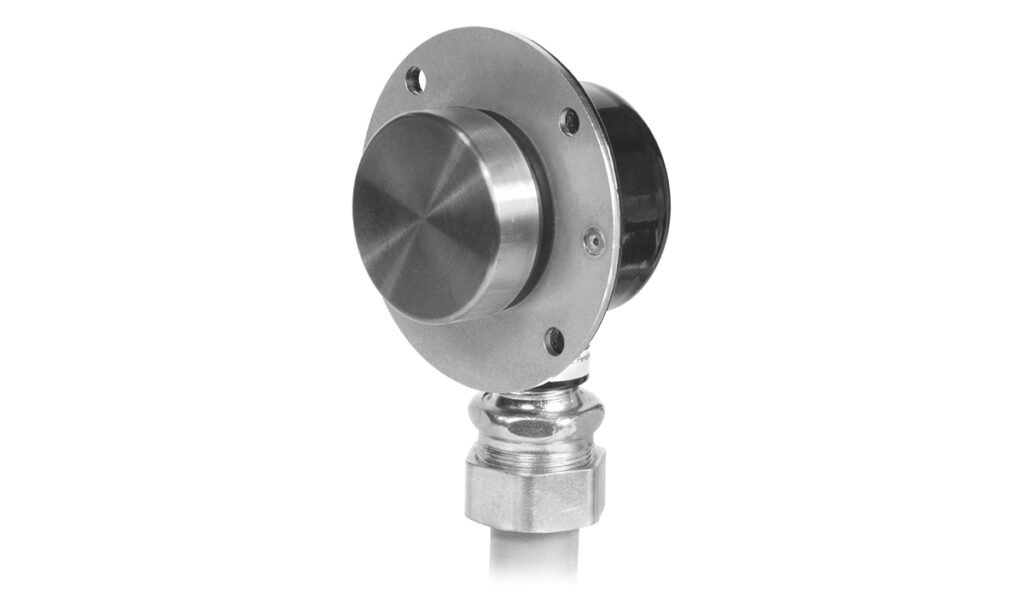
Electronic Monitoring EquipmentThe Touchswitch is an electro-mechanical limit switch with no moving parts, which detects tracking and misalignment problems on bucket elevators and conveyors. When a belt misaligns or a pulley moves over and…
Belt & Pulley Misalignment Sensor
 Bearing Temperature Sensors
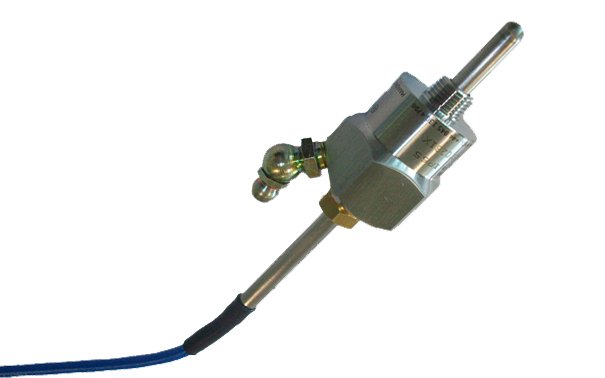
Electronic Monitoring EquipmentThe ADB series have been designed to allow the depth of the sensor to be adjustable depending on your application. A number of versions are available with probe lengths of 50, 100,…
Adjustable Depth Bearing Temperature Sensors
Need a different size, standard or quantity? Request a quote