Metal contamination is one of the most common causes of product recalls in the food industry, and one of the most common causes of damage to mills, extruders and crushers in bulk processing. Bolts, nuts, wire, filings and tramp iron enter with raw materials or come from wear inside the plant. Magnetic separators remove ferrous and many weakly magnetic particles before they cause harm.
Why magnets and metal detectors work together
Food safety standards widely used by European retailers and manufacturers require a documented approach to foreign-body control. Magnets and metal detectors complement each other:
- Magnets continuously remove ferrous contamination from the product flow, protecting downstream equipment and the product.
- Metal detectors detect and reject contaminated product, including non-ferrous metals, typically at the end of the line.
A well-designed plant uses magnets at several points and a metal detector before packing.
Main types of magnetic separator
Choosing magnet strength
Magnet strength must suit the contamination. Large tramp iron is captured by standard ferrite magnets at short distances. Fine particles and weakly magnetic contaminants (such as work-hardened stainless steel fragments) need high-intensity rare-earth (neodymium) magnets placed close to the product. Ask for the magnetic field and pull-test values, not just the magnet type.
Where to install magnets
- At intake – protect the whole plant from contaminants in incoming raw materials.
- Before size reduction – mills, crushers and grinders are expensive to repair and can generate sparks.
- Before and after sifting – see our guide to sifters and screeners.
- Before packing – final protection, followed by metal detection.
Cleaning and verification
A magnet that is not cleaned becomes saturated, and captured metal can be washed back into the product. Define cleaning intervals based on the amount of contamination collected, keep records, and verify magnet strength periodically with a pull test. Easy-clean designs reduce downtime and make it more likely that cleaning is done properly.
Hygienic design for food plants
For food and pharmaceutical applications, choose stainless steel construction, smooth surfaces, food-grade seals and designs that can be cleaned without tools. Ask for documentation of food-contact materials.
Find the right separator
Browse our magnetic separators or send us the details: product, throughput, particle size, temperature, the installation point and the dimensions of the chute or pipe.
Frequently asked questions
Do I still need a metal detector if I use magnets?
Yes, in most food plants. Magnets remove ferrous contamination continuously, while metal detectors also detect non-ferrous metals and reject contaminated product, usually before packing.
How often should magnets be cleaned?
It depends on the amount of contamination. Start with frequent cleaning, record what is collected and adjust the interval, so the magnet never becomes saturated.
Can magnets capture stainless steel?
Austenitic stainless steel is only weakly magnetic, but work-hardened fragments become more magnetic. High-intensity rare-earth magnets placed close to the product flow capture many of these particles.
Products mentioned in this article
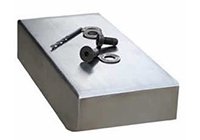 Primary Separators
Magnetic SeparatorsRare-earth magnetic strips are versatile and can be used in many different processes. They are normally installed over conveyors and vibratory feeders to attract tramp-iron contaminants and any loose parts that have…
Magnetic strip
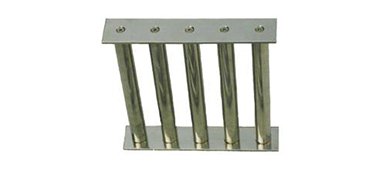 Secondary Separators
Magnetic SeparatorsThe Eclipse high-intensity square grate is extremely versatile and can be used with most powders, granules and liquids to remove ferrous or paramagnetic contaminants down to sub-micron size. Units can be made…
High-intensity square grate magnet
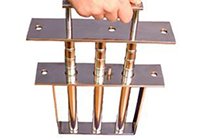 Secondary Separators
Magnetic SeparatorsThe easy-clean grate is extremely versatile and can be used with most powders, granules and liquids to remove ferrous or paramagnetic contaminants down to sub-micron size. These units can be made in…
Easy-clean
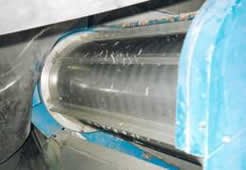 Primary Separators
Magnetic SeparatorsThe Eclipse high-intensity magnetic drum is ideal for the continuous removal of tramp-iron contaminants from any dry bulk material. It is often installed in the most demanding applications and is highly reliable…
High-intensity magnetic separator
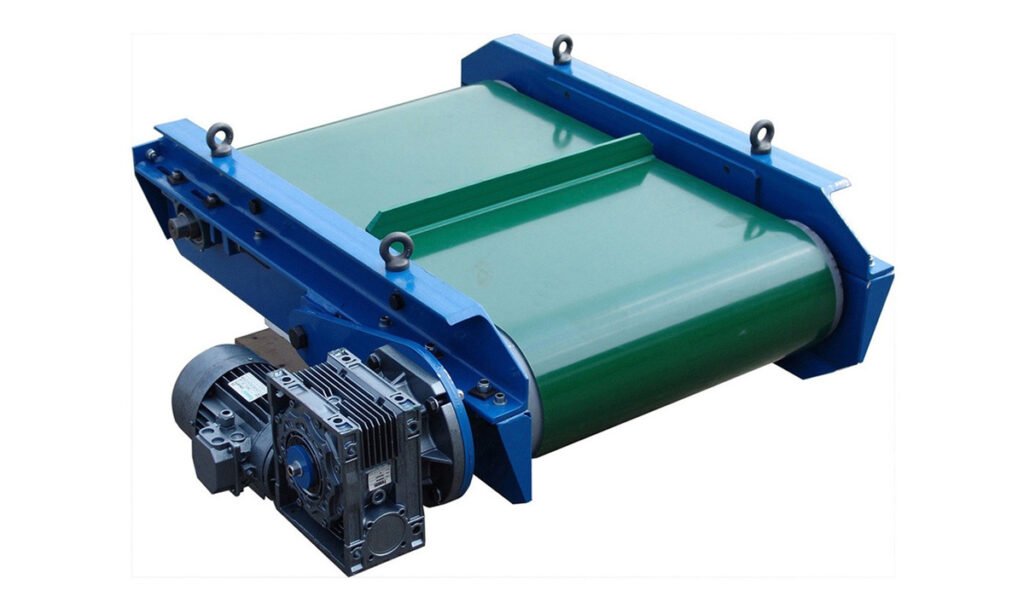 Primary Separators
Magnetic SeparatorsThe recycling, mining and heavy industries continue to benefit from permanent-magnet overband units for removing metal contaminants. These units can be suspended above flat or troughed belt conveyors. Large permanent magnet packs…
Permanent-magnet overband separator
 Primary Separators
Magnetic SeparatorsInstalled at the head of a belt conveyor, magnetic pulleys remove tramp iron that a plate or overband magnet cannot reach because of the depth of the conveyed product. Used together with…
Magnetic separator for belt conveyors
Need a different size, standard or quantity? Request a quote