The belt is the backbone of a bucket elevator. It carries the buckets, transmits the drive power and must survive the material, temperature and environment of the plant. A belt that is wrongly specified can stretch, swell, crack or burn — and an elevator stopped for a belt replacement means a plant that is not producing.
The four questions that define the belt
- How much tension? – determined by elevator height, capacity, bucket weight and drive. This gives the required tensile strength (belt rating).
- What material? – oil content, abrasiveness, temperature, food contact.
- What hazards? – combustible dust, flammable atmospheres.
- How are buckets fixed? – bolt type and spacing affect carcass choice and cover thickness.
Carcass and tensile strength
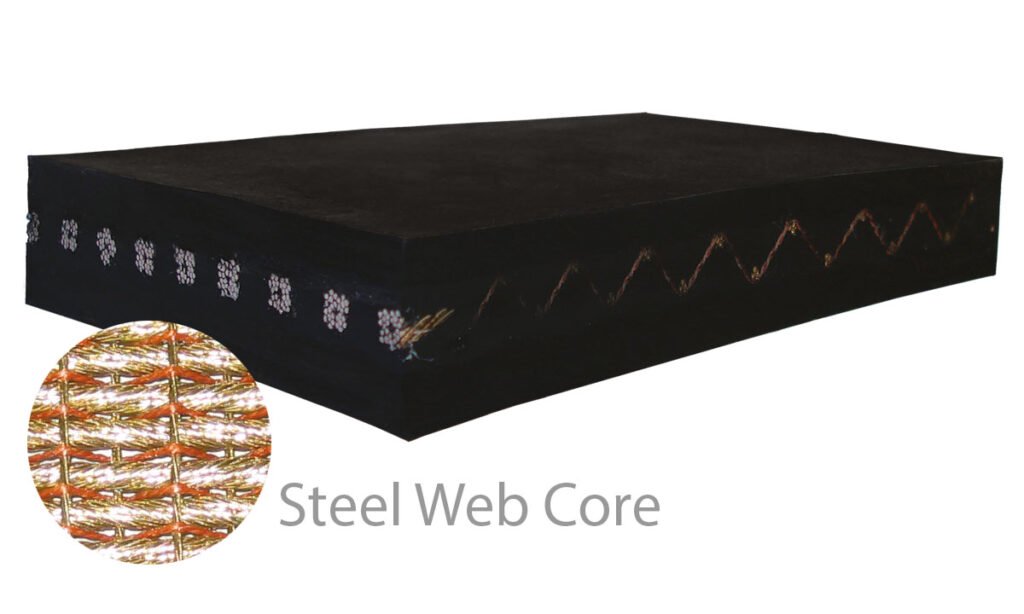
Most elevator belts use a textile carcass (typically polyester/polyamide plies). For tall, high-capacity elevators — such as large cement or clinker elevators — steel-reinforced constructions like a steel web belt offer very high strength with minimal stretch. Low elongation is important in elevators because the take-up travel is limited.
Cover grades
Fire-resistant and antistatic belts
In grain, feed, flour, sugar and many chemical plants, the elevator handles combustible dust. A belt that can carry an electrostatic charge or sustain a flame is an unnecessary risk. Belts tested for flame resistance (ISO 340) and electrical conductivity (ISO 284) reduce that risk and are commonly required by insurers and in ATEX-classified installations. They complement — but do not replace — hazard monitoring of the elevator.
Oil resistance matters more than you think
Many agricultural products contain oils that slowly penetrate standard rubber, causing the belt to swell, soften and lose bolt grip. If the material contains oil — soybeans, rapeseed, sunflower, fishmeal, some feeds — specify an oil-resistant cover from the start.
Food-grade belts
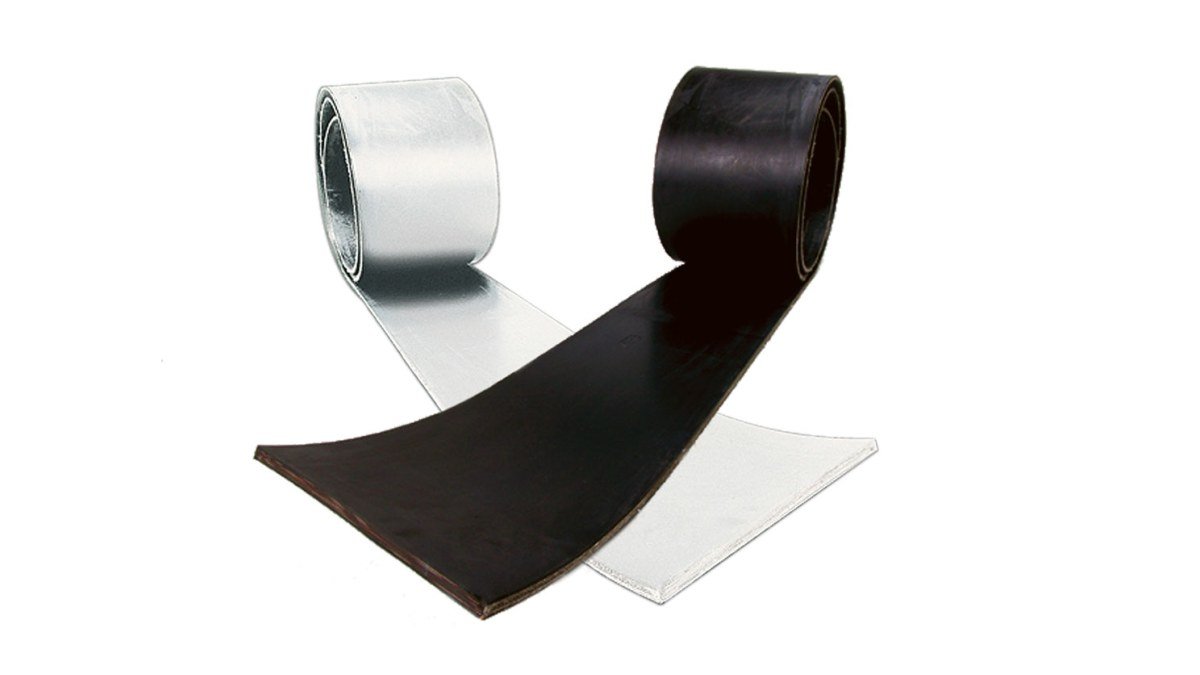
For food contact, choose belts with documented compliance for food contact (for example FDA-compliant compounds) and ask for the supplier’s declaration. White or light-coloured covers also make cleaning and inspection easier.
Splicing and installation
Elevator belts are usually joined with mechanical splices rather than vulcanised joints, so the belt can be installed and shortened inside the casing. Use a splice rated for the belt tension, such as Supergrip or Gripwell splices. Our maintenance article on splices and bolts explains the details.
Information to send for a belt quotation
- Elevator centres (height), belt width and current belt type.
- Capacity, material and temperature.
- Bucket type, spacing and bolt pattern.
- Head pulley diameter and drive power.
- Whether the area is ATEX-classified.
Browse our elevator belts (4B products) or request a quote with these details.
Frequently asked questions
What does ISO 340 mean for an elevator belt?
ISO 340 is a flame resistance test for conveyor belts. Belts that pass it are less likely to sustain a fire, which is important where combustible dust is handled.
Why do elevator belts need oil resistance?
Oils in products such as oilseeds and some feeds penetrate standard rubber, causing swelling, softening and loss of bolt grip. Oil-resistant NBR covers prevent this.
Should elevator belts be vulcanised or mechanically spliced?
Mechanical splices are standard in bucket elevators because they can be installed inside the casing and allow the belt to be shortened as it stretches.
Products mentioned in this article
 Elevator Belts
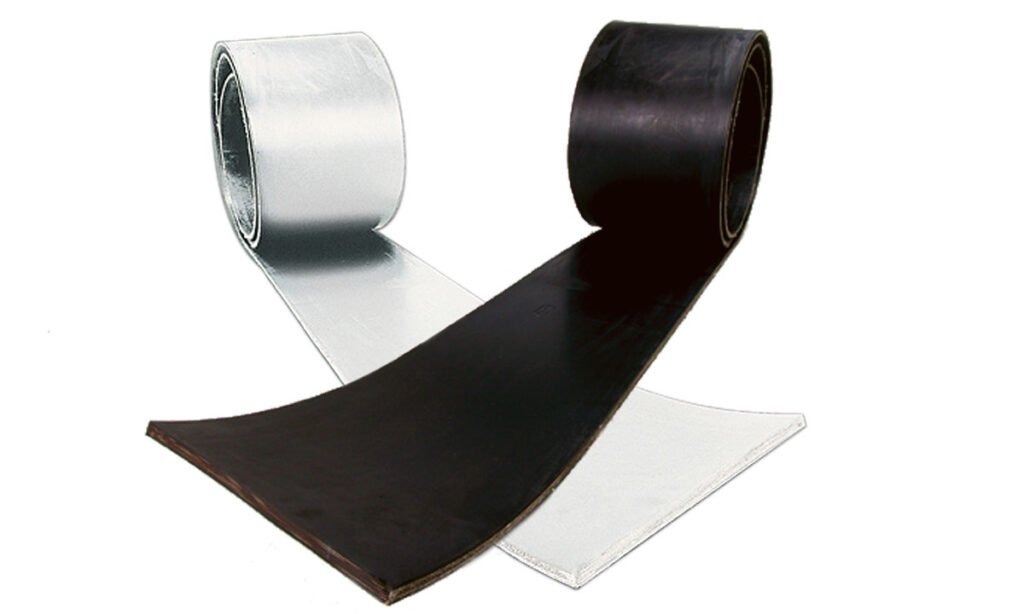
Bucket Elevator ComponentsNBR Nitrile provides good resistance to oil and fat. Suitable for products containing oils and fat up to 100˚C.
Low Stretch Elevator Belting
 Elevator Belts
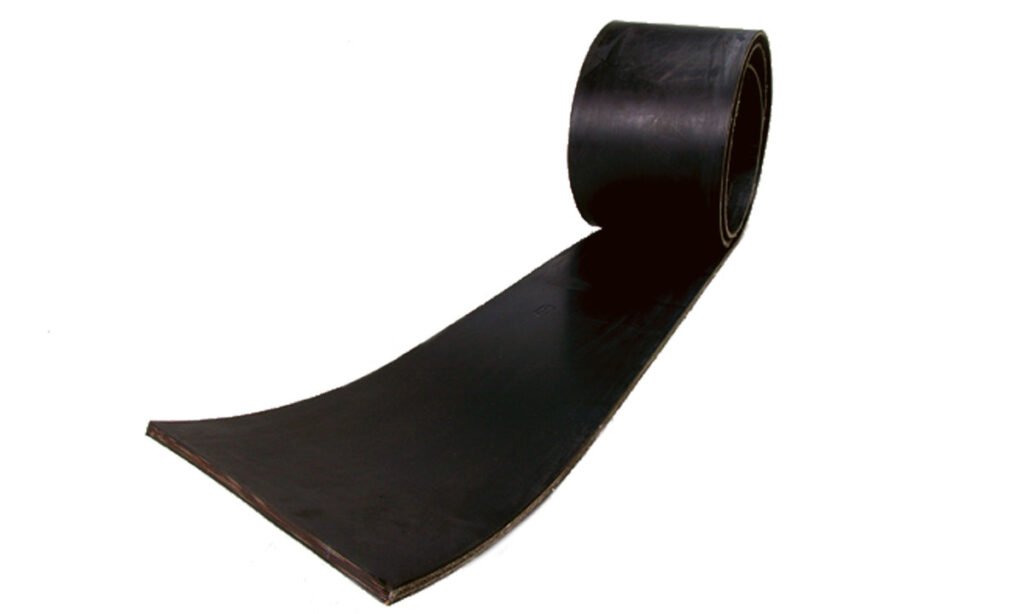
Bucket Elevator Components4B elevator belting is of laminar construction, to give high impact resistance coupled with low stretch at working tension. The EP carcass comprises a woven textile construction having low stretch polyester fabric…
Low Stretch Elevator Belting
 Elevator Belts
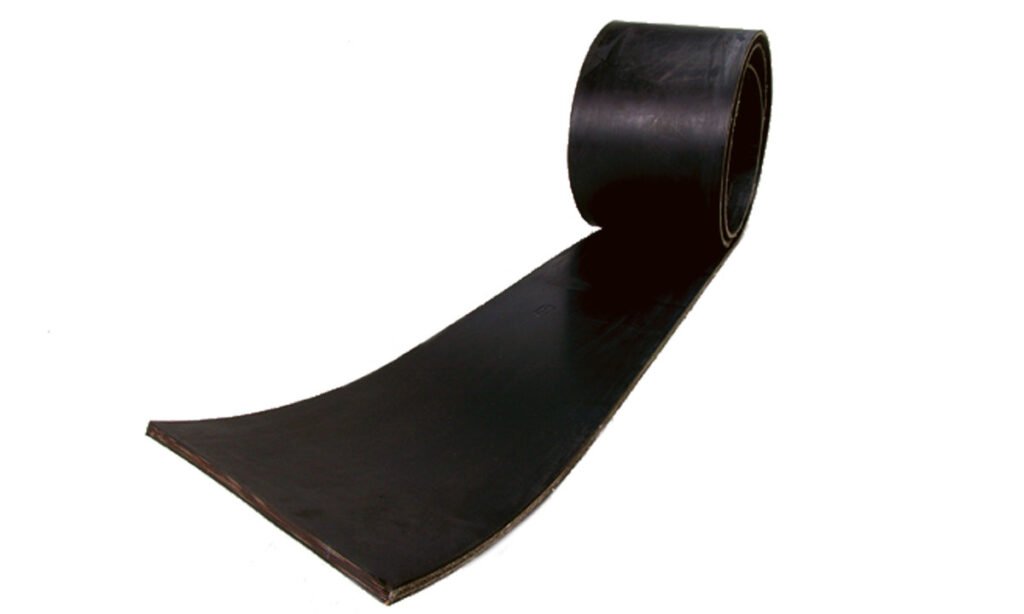
Bucket Elevator ComponentsRecommended for use in equipment/installations where there is a risk of fire or explosion. Suitable for handling cereals and products with moderate levels of oil, such as soya.
Flame retardant, anti-static and oil resistant elevator belt
Elevator BeltsBucket Elevator ComponentsSuitable for applications in elevators handling products of up to 150˚C and short peaks of 180˚C. Used in the cement, coal, dry chemicals, fly ash industries. Use special 3+3 covers to prevent…
Heat Resistant Elevator Belt
 Elevator Belts
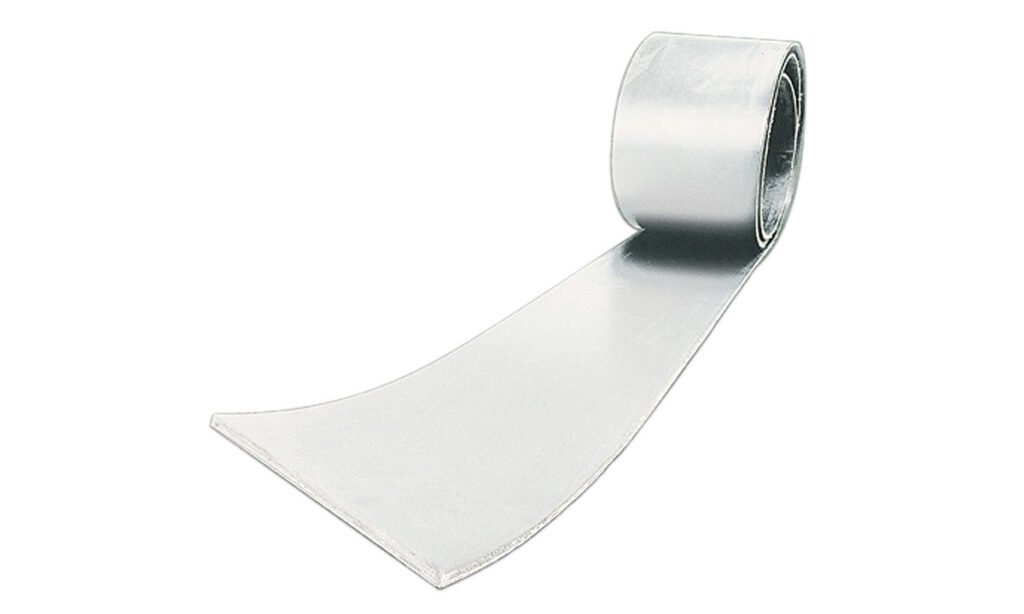
Bucket Elevator ComponentsNBR, FDA White Food Quality belts are designed for use in the food industry. This belt quality has very good oil and fat resistance and meets the requirements for components in contact…
White Food Quality Elevator Belt
 Elevator Belts
Bucket Elevator Components4B's STEEL WEB belt is a rubber elevator belt with a special steel cord core. The cords provide low elongation with high elasticity in the length, and cross rigidity in the width.…
Steel web elevator belt
Need a different size, standard or quantity? Request a quote