Variable frequency drives (VFDs) save energy and give precise control of pumps, fans, conveyors and propulsion motors. But they also turn the motor cable into a source of electromagnetic interference. The fast-switching output of a modern drive produces high-frequency voltage spikes and common-mode currents that a standard power cable is not designed to handle. The result can be interference with nearby instrumentation, nuisance trips, premature motor insulation failure and damaged motor bearings.
What makes a cable a “VFD cable”?
A dedicated VFD or EMC motor cable typically combines three features:
- Symmetrical construction – three phase conductors and three smaller earth conductors arranged symmetrically (often called 3+3). This balances the electromagnetic field and reduces induced voltages and common-mode currents.
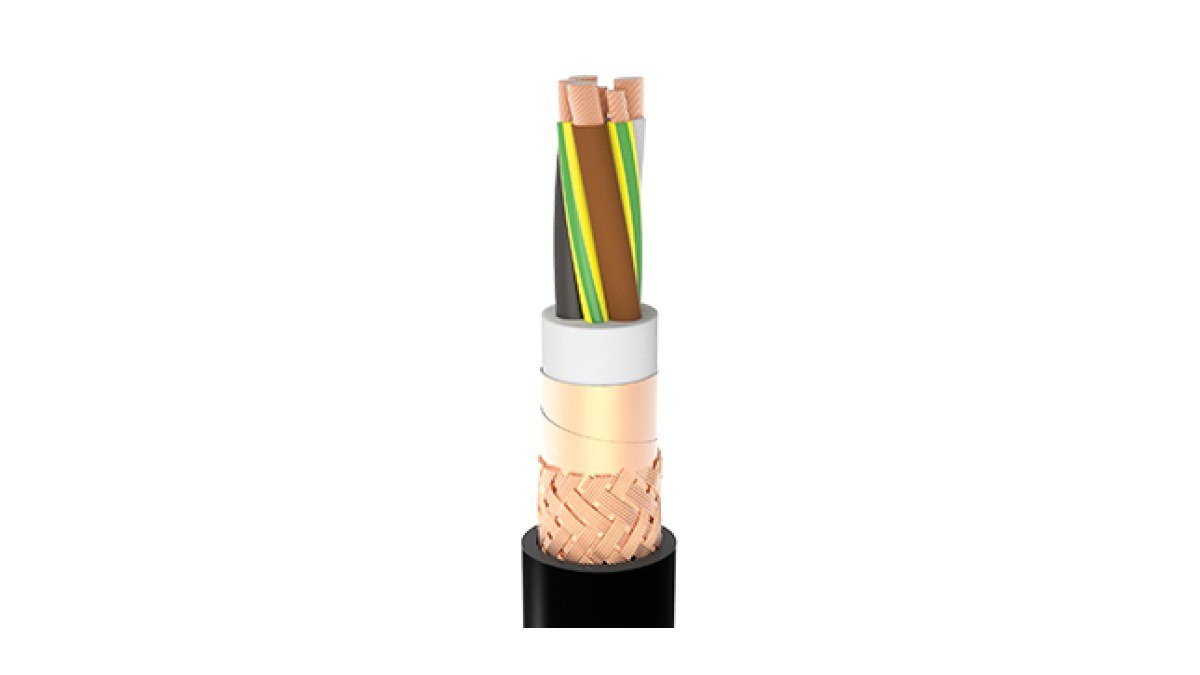
- Effective screening – a low-impedance screen, usually copper braid, sometimes combined with foil, that provides a return path for high-frequency currents and contains emissions.
- Low-capacitance insulation – cross-linked polyethylene (XLPE) or similar insulation reduces cable capacitance, which limits charging currents and voltage reflections on long runs.
Problems a proper VFD cable helps prevent
- Electromagnetic interference with sensors, communication networks and radio equipment.
- Bearing currents – common-mode currents finding their way to earth through motor bearings, causing pitting (fluting) and early failure.
- Voltage reflections on long cables, which stress motor winding insulation.
- EMC non-compliance of the installation under the EMC Directive.
Industrial and marine VFD cables
On land, screened power cables such as FG7OH2R or dedicated EMC motor cables are used between drive and motor. On ships, where electric propulsion and thrusters rely heavily on drives, specific marine types are approved by classification societies:
For an overview of shipboard standards, see our marine cable guide.
Installation rules that matter as much as the cable
- 360° screen termination at both the drive and the motor, using EMC cable glands — not pigtails.
- Separation from signal and control cables; cross at right angles where they must meet.
- Keep the cable as short as practical; check the drive manufacturer’s maximum length and whether an output filter is needed.
- Bond the motor frame and drive with a low-impedance connection; the symmetrical earth conductors carry part of this current.
- Do not split the screen to make terminations easier.
Specifying VFD cables
When you request a quotation, include the drive output voltage and frequency, motor power and current, cable length, installation method (tray, conduit, on board), any classification society approval and the required fire performance. The drive manufacturer’s installation manual usually states the cable requirements; send it with your enquiry if possible.
Talk to us
We supply VFD and EMC cables for industrial plants and vessels. Browse our marine cables and industrial cables, or request a quote with your drive details.
Frequently asked questions
Can I use a normal power cable with a VFD?
Short runs in low-interference environments sometimes work, but drive manufacturers usually recommend symmetrical, screened motor cables. They reduce electromagnetic interference, bearing currents and voltage stress on the motor.
How should the screen of a VFD cable be connected?
The screen should be connected with 360° EMC glands or clamps at both the drive and the motor. Twisted pigtails greatly reduce the screen’s effectiveness at high frequencies.
What is a 3+3 cable?
A 3+3 cable has three phase conductors and three smaller earth conductors arranged symmetrically between them. The symmetry balances the electromagnetic field and reduces common-mode currents.
Products mentioned in this article
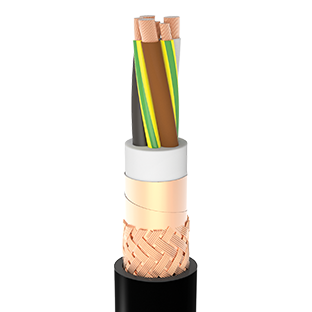 Marine Cables
CablesUsed as fixed installation cables in various electromechanical and electronic equipments. Due to its’ overall screen the electromagnetic interference is minimized. It can be used as motor supply cable and…
0,6 / 1 kV · -40°C / + 90°C
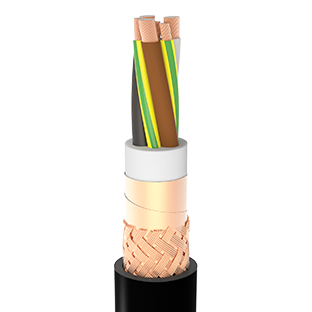 Marine Cables
CablesUsed as fixed installation cables in various electromechanical and electronic equipments. Due to its’ overall screen the electromagnetic interference is minimized. It can be used as motor supply cable and…
1,8 / 3 (3,6) kV · -40°C / + 90°C
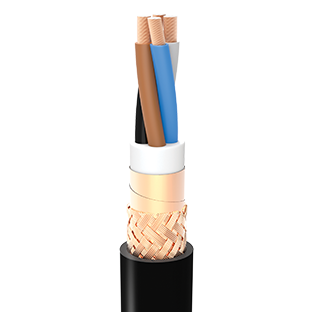 Marine Cables
CablesIt is used as a fixed connection cable in electromechanical and electronic devices. Thanks to its shielded design, electromagnetic interference with the surrounding environment is minimised. It is used in…
0.6 / 1 kV · -40°C / +90°C
Marine CablesCablesUsed as fixed installation cables in various electromechanical and electronic equipments. Due to its’ overall screen the electromagnetic interference is minimized. It can be used as motor supply cable and…
1,8 / 3 (3,6) kV · -40°C / + 90°C
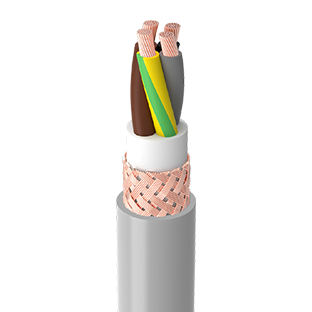 Industrial Cables
CablesThese rubber insulated cables are suitable for both indoor and outdoor use as power and control cable. They are mostly used in industrial facilities, construction sites and residential areas. It’s…
600/1000 V (U0/U)
Need a different size, standard or quantity? Request a quote